


Pedrinho, president of Vasco, harshly criticized Bap, president of Flamengo, accusing the Rubro-Negro club of breaching agreements signed with the Brazilian Football League.
The political landscape of Brazilian soccer takes on new levels of tension following strong statements coming out of São Januário.
Institutional relations between the Cruz-Maltino board and the Rubro-Negro management have significantly deteriorated recently,
driven by commercial disagreements and the long-standing dispute over the use of the Maracanã.
The friction highlights governance challenges and clashes of interest shaping the backstage of the country’s sporting elite.
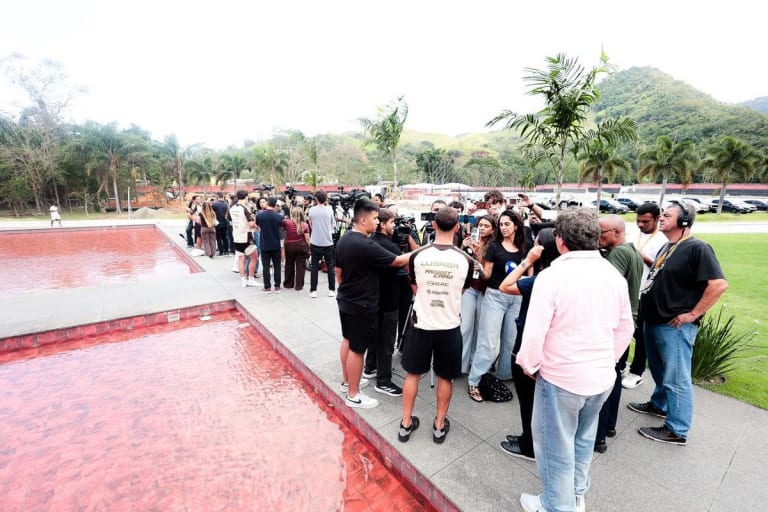
In a recent interview given to the M360 Team,
the Vasco executive questioned the cooperative rhetoric adopted by their Carioca rival.
According to Vasco’s top brass, the actions taken behind the scenes sharply contradict
the positions publicly advocated in favor of the sport’s collective development.
Breach of Commercial Agreements
At the heart of the dispute is Flamengo‘s participation in the commercial blocks
that structure revenue distribution for the Brazilian Serie A.
The current management chose to renegotiate terms previously agreed upon by the former administration,
triggering a domino effect that disrupted the stability of Libra.
The Vasco president pointed out during the conversation:
“I don’t think it’s sincere that he’s concerned about the Brazilian Serie A, because he didn’t even honor the contract signed by Landim regarding the League. In his mind, he believed Flamengo could get a better contract, so he walked away from the table.”
The Maracanã Impasse
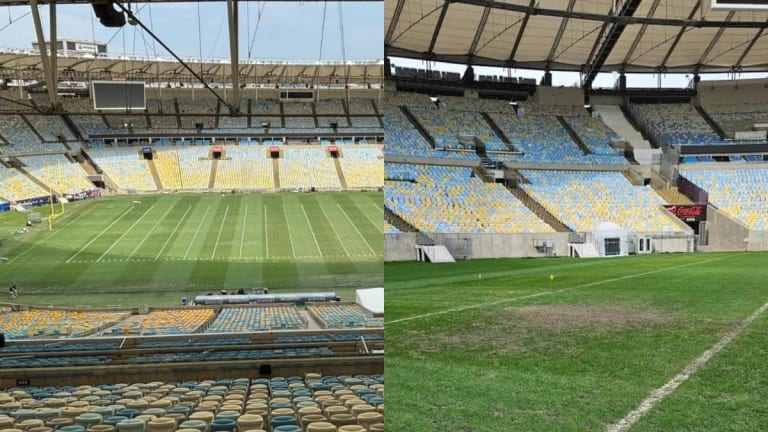
In addition to financial and contractual issues, the management of the Maracanã
remains a sore point in relations between the clubs.
The managing consortium, led by Flamengo and Fluminense,
recently denied Vasco’s request to host the Copa Sudamericana semifinal
against Boca Juniors at the stadium.
The technical justification based on pitch preservation sparked controversy,
especially given the tight schedule of the managing teams.
With the refusal and a deadline set by CONMEBOL, Vasco is evaluating alternatives,
considering retrofitting São Januário to host the decisive match.
Stance on Foreign Players at the CBF
Another topic addressed in the interview was the recent vote at the CBF
regarding the gradual reduction of the limit on foreign players per match in the national tournament.
The measure calls for lowering the current cap from nine players to five by the year 2030.
The president explained the Cruz-Maltino club’s backing of the approved proposal:
“My vote in favor is a vote of confidence because of everything the CBF has been doing. Do I believe this is the best path? No, but I voted in favor because I believe we will still have dialogue and that this will be reversed.”
The discussions and institutional friction promise to set the tone behind the scenes in the coming weeks,
directly influencing collective bargaining and the political dynamics among Brazilian soccer’s top clubs.
M360 Team