

New regulations against ‘stalling’ in the Brazilian Serie A are already boosting playing time, promising more dynamic and fluid matches.
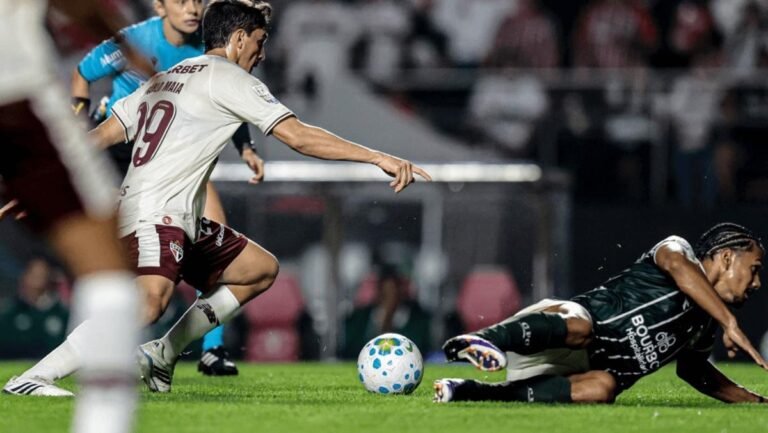
Brazilian soccer witnessed a weekend of significant changes following the implementation of new rules aimed at combating the practice of ‘stalling’ – the tactic of delaying the game.
Approved on August 10 by clubs in the A and B divisions of the Campeonato Brasileiro, the measures had an immediate impact, increasing the effective ball-in-play time and fostering a more dynamic environment in matches.
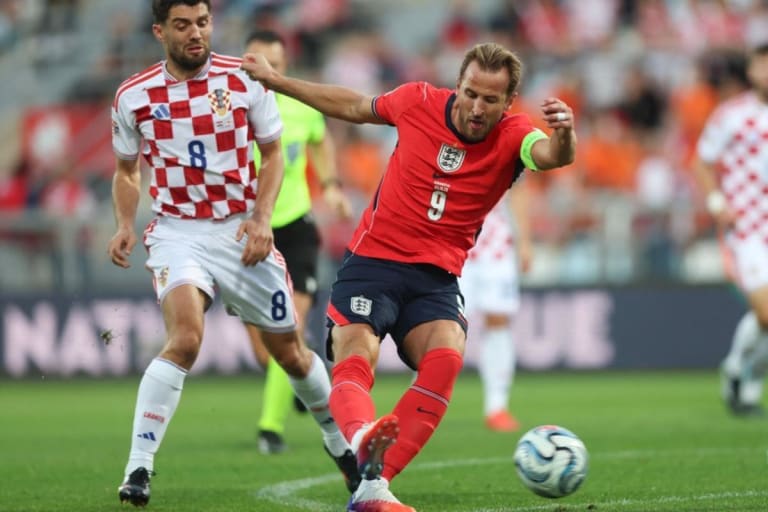
The CBF‘s initiative seeks to align the national sport with international standards, with the objective of bringing game time closer to the 60-minute target set by FIFA.
The initial results already indicate a promising path toward more agile and appealing soccer for fans.
Immediate Impact on Serie A Matches
The first weekend of applying the new guidelines, covering nine matches of the 23rd round of Serie A, revealed a notable increase.
The average playing time rose by approximately 5%, from 52 minutes and 54 seconds to 55 minutes and 29 seconds.
This mark not only surpassed the previous average but also exceeded the playing time of major European leagues, such as the English (55min23), Spanish (55min08), and Italian (54min28).
The round will conclude with the match between Internacional and Remo at the Beira-Rio stadium on Monday (17).
Specific Measures Against Time-Wasting
Among the main innovations, the rule for treating goalkeepers stands out: if a goalkeeper requires medical attention on the field, an outfield player must leave the game for one minute.
A clear example occurred in the match between Vasco and Santos, when forward Neymar had to leave the field temporarily after the treatment of goalkeeper Gabriel Brazão.
Other actions to curb ‘stalling’ include a five-second limit for goal kicks and ten seconds for a substituted player to leave the pitch.
These directives aim to ensure the game’s flow is maintained, preventing unnecessary interruptions.
Positive Assessment from Referees
The CBF‘s head of refereeing, Netto Góes, positively assessed the initial results:
“This first weekend with the implementation of the new rules brings a very positive assessment. It’s still too early to talk about consolidated results, but significant progress has already been observed in several games.”
He emphasized that:
“The increase in playing time directly contributes to a more fluid, more dynamic game and, especially, to delivering an increasingly better product to the fans.”
The ‘Vini Junior Law’ Also in Effect
In addition to measures related to playing time, the Brazilian Serie A has also adopted the so-called ‘Vini Junior Law’, which mandates a red card for players who cover their mouths during on-field discussions.
This rule was already applied in one of the round’s matches when forward Arthur Cabral, from Botafogo, was sent off after the final whistle following a discussion with Jair Ventura, coach of Vitória, putting his hand to his mouth.
Expansion to Other Competitions
The new rules will not be limited to Serie A. Starting this Tuesday (18), Serie B will also implement the changes, beginning with the match between Londrina and Atlético-GO.
The Copa do Brasil (both men’s and women’s categories) and the Série A1 of the Brasileiro Feminino will also begin following these new guidelines, indicating standardization across various national soccer competitions.
The recent changes in Brazilian soccer rules represent an important step toward valuing the spectacle and ensuring more competitive matches.
The increase in playing time and the application of the ‘Vini Junior Law’ reflect the CBF‘s commitment to modernizing the sport and offering a superior experience to soccer aficionados.