

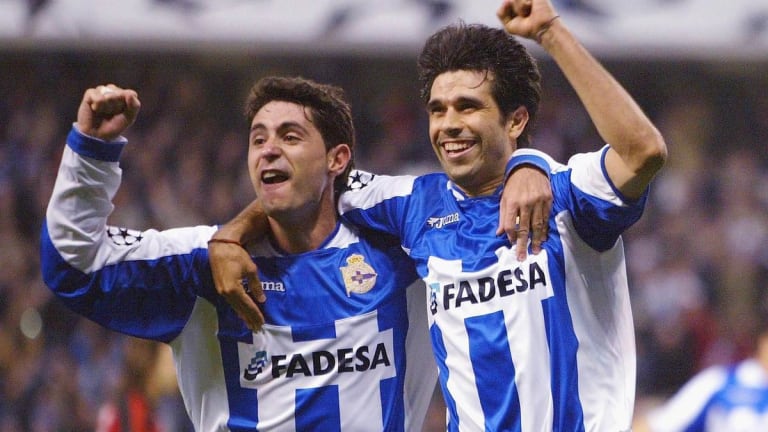
After overcoming €160 million in debt and falling to the third division, Deportivo La Coruña has staged a historic turnaround. Through rigorous financial management and a focus on youth development, the club secured its return to the Spanish elite in 2026.
The journey of Deportivo La Coruña is a true story of resilience in European football. After enjoying glory days in the early 2000s, winning La Liga and shining in the Champions League, the Galician club plunged into a deep financial crisis. With debts exceeding €160 million, “Depor” saw its prestige crumble, leading to successive relegations that sent the team to the third tier of Spanish football.
The near-collapse began to be reversed in 2013 with the arrival of Abanca. What was an administrative nightmare transformed into an exemplary restructuring plan. By taking over management and reorganizing the club’s finances, it successfully concluded its judicial reorganization process in 2024, decades ahead of the original deadline, paving the way for the sporting success that followed.
Investment in infrastructure and youth academies
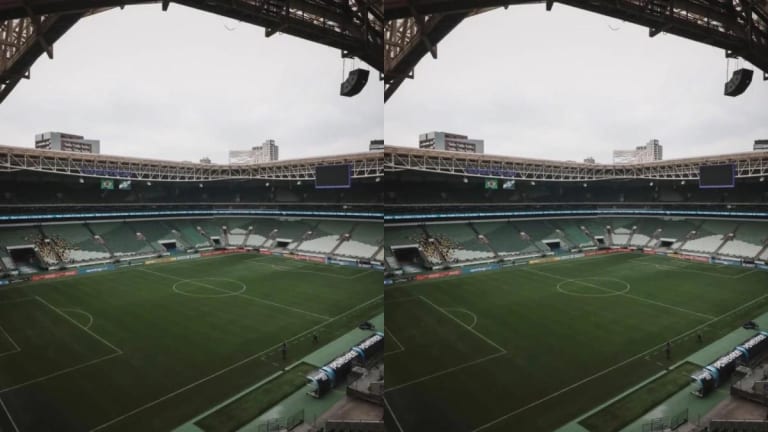
The reconstruction of Deportivo La Coruña went beyond balance sheets. The club allocated over €50 million to modernize Abegondo, its training complex. This investment in infrastructure is seen as a strategic pillar for the transition between youth academies and professional football, ensuring that young talent is polished with technology and proper support.
When we talk about athlete development, infrastructure plays a fundamental role. A well-planned training center provides better conditions for daily work, from the youth ranks to the professional level, and creates the right environment for a club to develop its players and strengthen its sports project, says Sergio Schildt, president of Recoma.
The strategic role of talent development
To consolidate its return to the top flight, the club set ambitious goals: keep at least 25% of the squad composed of home-grown players. In the victorious 2026 campaign, nine academy products were key. This strategy not only reinforces the team’s identity with the fans but also serves as a model of economic sustainability in the current sports landscape.
When we invest in the youth system, we are investing in the club’s development. Infrastructure is essential for athletes to have the conditions to grow on and off the pitch, but we also need to create a clear pathway so these young players see the club as a real opportunity to reach the professional level. The goal is to develop players, strengthen the team, and, at the same time, build sporting assets for the club, says Cristiano Dresch, president of Cuiabá.
Experts point out that professionalizing management, combined with valuing youth development, is the path for clubs to avoid financial crises. According to Moises Assayag, managing partner at Channel Associados, player development should be viewed as a strategic asset:
When a club professionalizes its management, development becomes a matter of planning. Investing in the youth system doesn’t just mean training players for the main squad; it means creating assets, reducing dependency on expensive signings, and building a revenue stream that can be vital for the club’s sustainability.
A future of reconstruction
The return to the First Division in May 2026 marks the end of a traumatic cycle and the beginning of a new era. By combining financial responsibility with the development of young talent, Deportivo La Coruña proved that it is possible to reverse extreme crisis situations with long-term planning. The challenge now is to maintain stability in the elite and consolidate the sports project that has restored hope to Galician fans.