

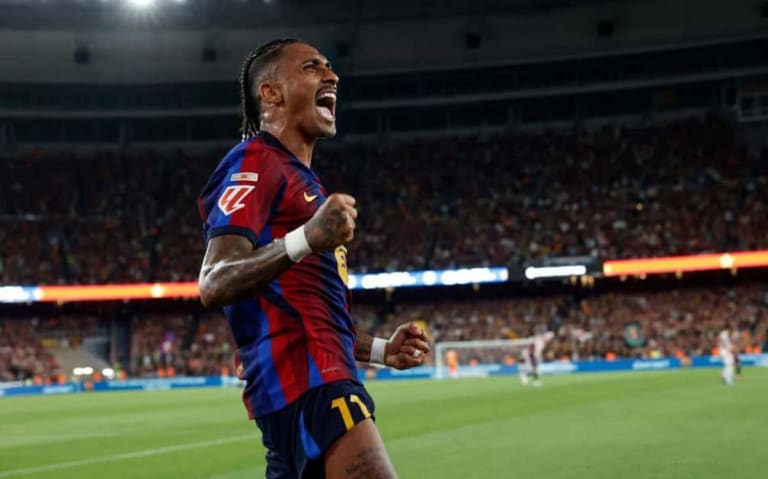
Barcelona has, for the first time in history, reached the €1 billion revenue mark, marking a crucial step in its financial recovery and restructuring process.
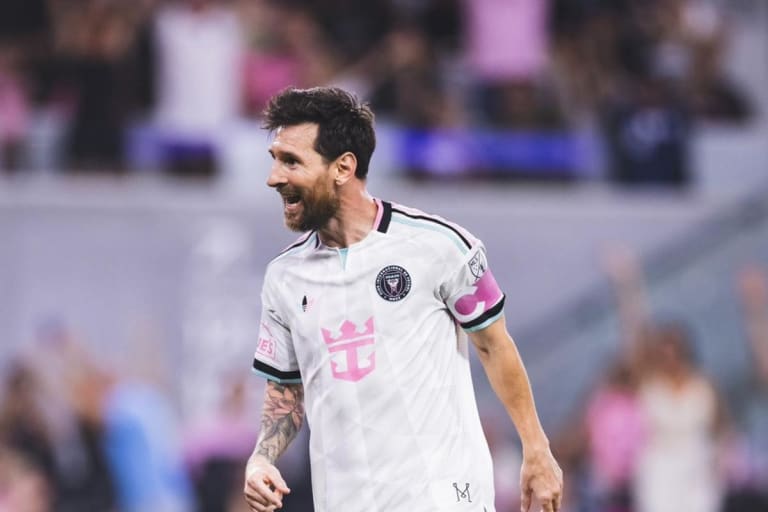
The Catalan giant is experiencing a turning point in its economic trajectory. After facing years marked by severe crises, accumulated debts, and strict budget limitations that directly impacted the squad — culminating in the traumatic departures of idols like Lionel Messi and Luis Suárez — the club is finally presenting figures that bring optimism to the board and fans.
Although Barcelona‘s total debt still hovers around €2.4 billion, the unprecedented billion-euro revenue signals that the restructuring strategy is on the right track. Asset diversification was the central point for this financial turnaround, as explained by the M360 Team.
The Strength of La Masia and Commercial Strategy
The club’s restructuring rests on three fundamental pillars: the strengthening of La Masia, the expansion of commercial contracts, and the modernization of Spotify Camp Nou. According to Moises Assayag, managing partner at Channel Associados, the integration between the sports and commercial departments allowed the club to reduce its dependence on single sources of income.
The Barcelona case shows that a club’s financial recovery relies on its ability to diversify and leverage its revenue streams and assets. When sports, commercial, and patrimonial assets are worked on in an integrated manner, the club reduces its dependence on a single source of funds.
Assayag points out.
The Role of the Youth Academy and Spotify Camp Nou
The club’s renowned youth academy, La Masia, continues to be its greatest asset. By revealing talents such as Lamine Yamal, Gavi, and Pau Cubarsí, the club not only saves on signings but also profits from sales: in the last season alone, the amount raised from homegrown athletes exceeded €89 million.
Furthermore, the master agreement with Spotify and the gradual reopening of Spotify Camp Nou have been vital drivers for revenue growth. Experts like Anderson Rubinatto, CEO of Goolaço, reinforce that the modern and multi-purpose stadium represents the final piece for Barcelona to sustain this level of revenue in the long term.
The club’s challenge now is to transform this record revenue into continuous sustainability. With a globally valued brand and a youth academy that sets the pace on the field, Barcelona projects a future where sporting success and financial health finally go hand in hand.
Equipe M360