


Bap’s suggestion ignored as Flamengo votes against new CBF rules
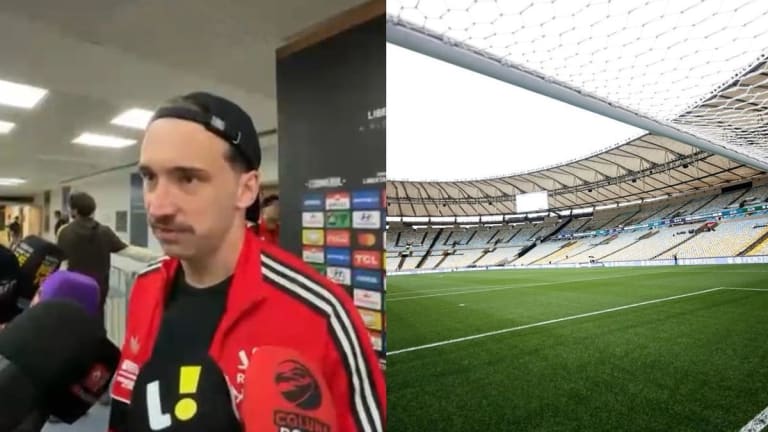
Flamengo showed strong opposition to changes proposed by the CBF during a meeting held this Monday (21) in Rio de Janeiro. The club, represented by its president, Luiz Eduardo Baptista, known as Bap, voted against reducing the number of foreign players allowed per match, a measure set to take effect in 2027.
The club’s decision was partially driven by the exclusion of an important suggestion championed by the board.
Bap’s transfer suggestion left off the agenda
During the meeting, Bap attempted to push for an amendment to the rule that currently limits player transfers between clubs in the same Brazilian Serie A. The current regulation states that an athlete can play up to 12 matches for their original club before being traded to another team within the same competition.
The Flamengo executive argued that this restriction hinders movement in the domestic transfer market, limiting recruitment options. However, the Brazilian Football Confederation (CBF) denied the request, stating that the topic was not on the meeting’s set agenda.
The club’s stance on new rules
The refusal to discuss Bap’s transfer proposal was a deciding factor in Flamengo’s position on other agenda items. The club opposed both the reduction of the limit on foreign players and the gradual increase in the number of U-23 athletes in team lineups.
Although they were not initially against these changes, the lack of attention to their primary suggestion led the Mengão to harden their stance. The CBF indicated that the transfer issue could be re-evaluated at a later time.
Next steps and demands
The Flamengo president also criticized how the proposals were presented by the CBF, alleging a lack of prior debate with the clubs. A new meeting between the governing body and Brazilian clubs is scheduled for October, where Flamengo intends to push for a more in-depth discussion regarding the new rules for domestic football and hopes that its suggestion concerning the game limit for transfers will finally be analyzed.
The episode reflects the tensions behind the scenes of Brazilian football, with clubs seeking to influence the decisions that will shape the future of the sport.