
Half a century since the historic first Copa Libertadores title for Cruzeiro: a journey defined by resilience against the giants River Plate and Joãozinho’s decisive goal in 1976.
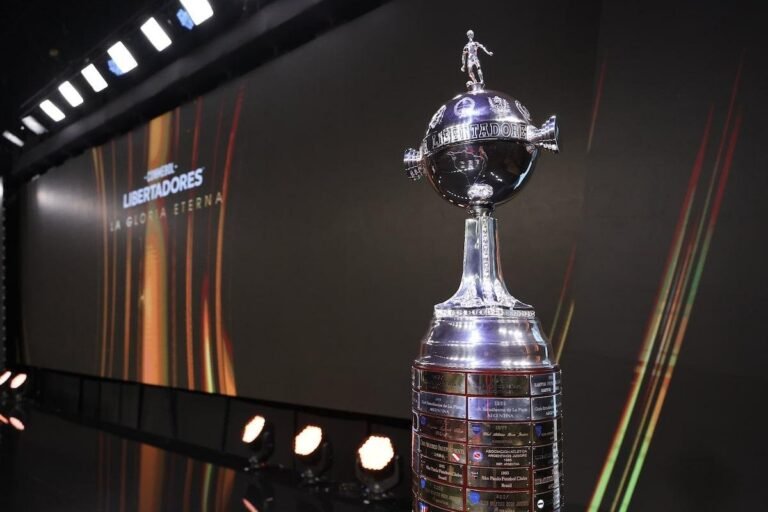
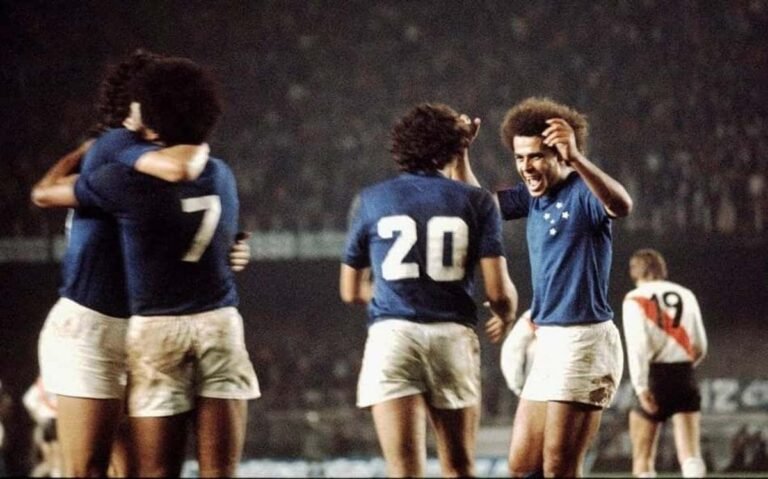
July 30, 1976, remains an immortal date for the Cruzeiro fanbase. Fifty years ago today, the club from Minas Gerais wrote the most glorious chapter of its history at the time by lifting the Copa Libertadores trophy after an epic battle against River Plate at the Estadio Nacional de Chile.
The triumph cemented the team led by legendary coach Zezé Moreira as a continental powerhouse. The campaign was not just a display of skill, but of physical and mental fortitude, proving the strength of the squad that, shortly before, had secured qualification via the Brazilian Serie A, where they finished as national runners-up.
The road to the top of the Americas
The path to the title for Cabuloso was far from simple. In the group stage, the team overcame traditional opponents such as Olimpia and Sportivo Luqueño. In the semifinals, the performance was flawless: a 100% record against LDU and Alianza Lima, both at the Mineirão and away from home.
The final against the Argentine side demanded everything from the squad. After a crushing 4-1 victory in the first leg, Cruzeiro suffered a setback in Buenos Aires, forcing a decisive tie-breaker match on neutral ground in Santiago.
Drama and brilliance in Chile
The final showdown in Chile was worthy of a movie script. Cruzeiro took a 2-0 lead through Nelinho and Eduardo Amorim, but saw River Plate fight back with goals from Más and Urquiza. The atmosphere was tense and the match remained on a knife’s edge until Joãozinho‘s moment of brilliance in the 88th minute.
The M360 team reflects on that legendary moment:
Joãozinho’s audacity on the free kick, catching the Argentine defense off guard while they were distracted by an argument, reflected the spirit of a team that would accept nothing less than victory.
Legacy and historical impact
That 1976 title elevated Cruzeiro to a new level on the South American stage. The team proved that Brazilian football was capable of overcoming Argentine hegemony with an attacking and, above all, courageous style of play.
For fans and historians, that generation led by stars such as Piazza, Nelinho, and Palhinha did not just win a trophy; they established a standard of excellence that the club would strive to replicate in future decades. The fiftieth anniversary of this feat reinforces the importance of sports memory in building the identity of Cruzeiro.
M360 Team