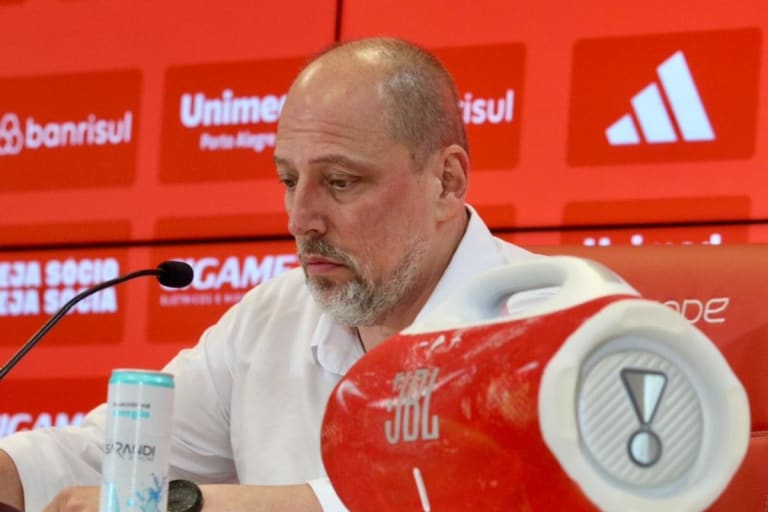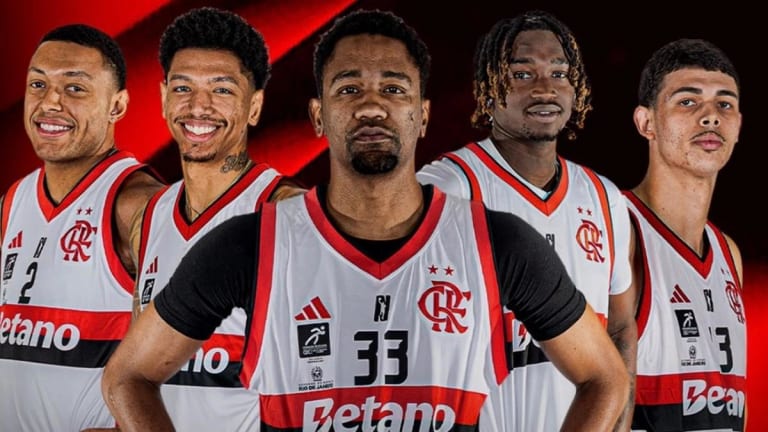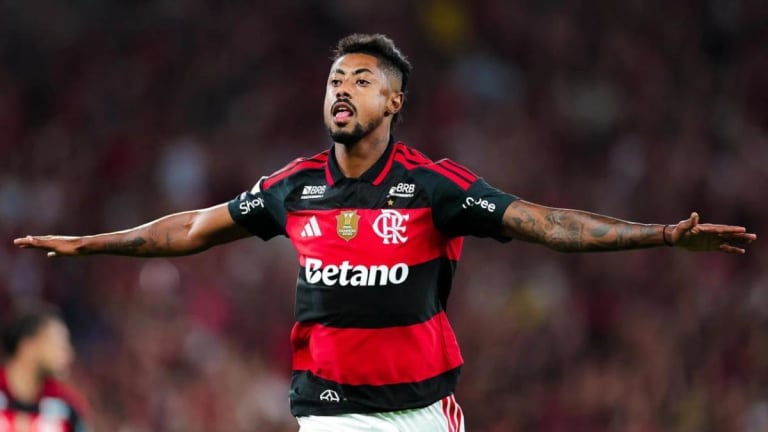



Flamengo president Luiz Eduardo Baptista has harshly criticized the provisional measure that suspended sports betting in Brazil, warning of a multi-billion dollar financial impact and potential difficulties in paying for the acquisition of Lucas Paquetá.
The government’s recent decision to suspend the operations of sports betting companies across the country has sparked a strong reaction behind the scenes in Brazilian football.
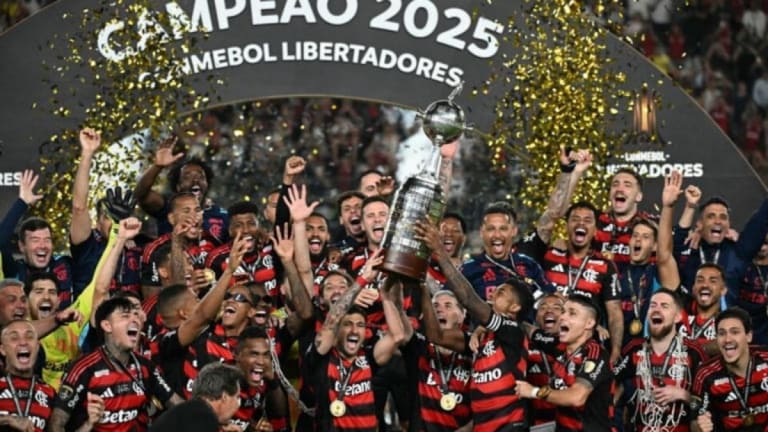
During an appearance on Flamengo TV, the club’s president spoke openly about the institution’s financial health, questioning the stability of contracts signed with major brands in the sector, such as Betano, the Rio de Janeiro club’s current main shirt sponsor.
According to Flamengo’s management, the budget planning for upcoming seasons relied entirely on the millions injected by betting platforms.
With the sudden ban, the club based in Gávea projects a significant deficit that directly compromises the retention of star players, investments in youth divisions, and even the fulfillment of international agreements recently made in the transfer market.
Direct Impact on the Lucas Paquetá Deal
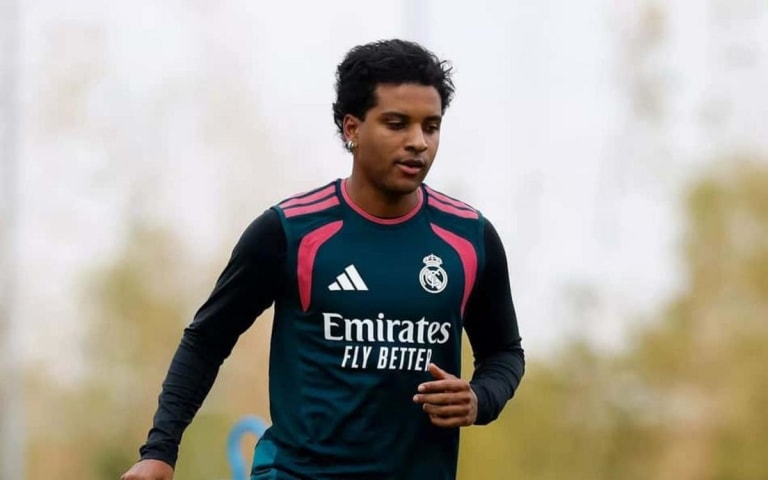
The most critical point addressed by the executive concerns the payment of installments related to the acquisition of Lucas Paquetá from West Ham.
The financial schedule relied on sponsorship revenues to honor commitments to the English club, with the next major payment installment due in January 2027.
During the interview, Bap asked:
How am I going to pay for Paquetá in January?
The president emphasized that the entire operation was conducted strictly within the law, but expressed regret that a unilateral government decision is putting the financial credibility of Brazilian teams at risk on the international stage.
Financial Shortfall and Uncertain Future
Internal projections indicate a shortfall that could reach R$ 400 million in Flamengo’s coffers.
To circumvent the situation, the board will need to seek new commercial alternatives, although they admit that the current market does not offer companies with investment capacity equivalent to that of sports betting brands.
The executive highlighted his pessimism regarding the future competitiveness of the country’s clubs compared to South American rivals:
We will stop signing players and start signing lawyers.
Flamengo’s leadership is now pinning its hopes on a potential reversal of the measure by the Supreme Federal Court or the National Congress.
The uncertainty regarding the financial future of Flamengo and other national football powerhouses highlights the fragility of business models that depend on a single corporate segment.
As the legal landscape remains unstable, the legal team and executive board are working against the clock to protect the sporting plans mapped out for the coming seasons.
M360 Team