

Morocco’s head coach slams World Cup format, points to Champions League as ideal model.
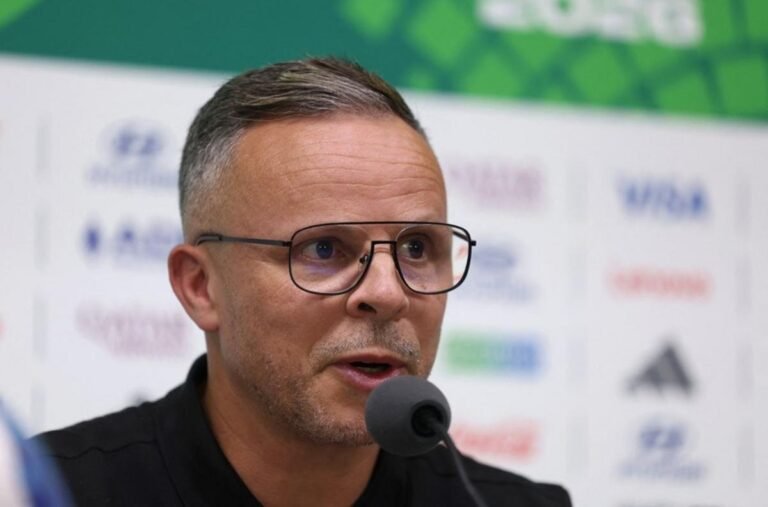
Morocco’s national team coach, Mohamed Ouahbi, did not hide his dissatisfaction with the 2026 World Cup format after his team finished second in their group. His main criticism targets the knockout stage system, which led them to face Netherlands in the very first elimination round—an unexpected challenge and, in his view, the result of a flawed regulation.
According to Ouahbi, the expansion to 48 teams in this edition has created a complex scenario where some teams that finished third in their groups have been unfairly advantaged. He advocates for a clearer and fairer system to determine matchups and team progression in the competition.
Champions League as Inspiration
The Moroccan coach suggested adopting a format similar to Europe’s prestigious Champions League, while acknowledging the logistical and commercial challenges a direct transposition would entail. The idea is to bring more predictability and, consequently, more sporting fairness.
“The ideal scenario for me would be games happening simultaneously. I don’t think there’s a magic solution, but perhaps the Champions League format could be a path,” stated the coach, drawing a parallel with the world’s most talked-about club tournament.
The Bitterness of Uncertainty
Ouahbi emphasized that the ambiguity regarding the qualification of third-placed teams creates a “bitter pill to swallow.” He cited the example of Scotland, which had to wait for results from other groups to learn its fate, while other teams already had clear objectives on the field. This uncertainty, according to the coach, detracts from the spectacle and competitiveness.
Mohamed Ouahbi‘s perspective highlights a necessary debate about the evolution of major competition formats. The World Cup, football’s grandest stage, calls for adjustments that ensure even greater balance, honoring sporting merit and the passion that drives millions of fans worldwide. The path toward a fairer and more exciting tournament may have begun with the criticisms coming from Morocco.