


President Lula defended the ban on betting companies, criticized the financial dependency of Brazilian football, and suggested that clubs adopt the SAF (Soccer Corporation) model.
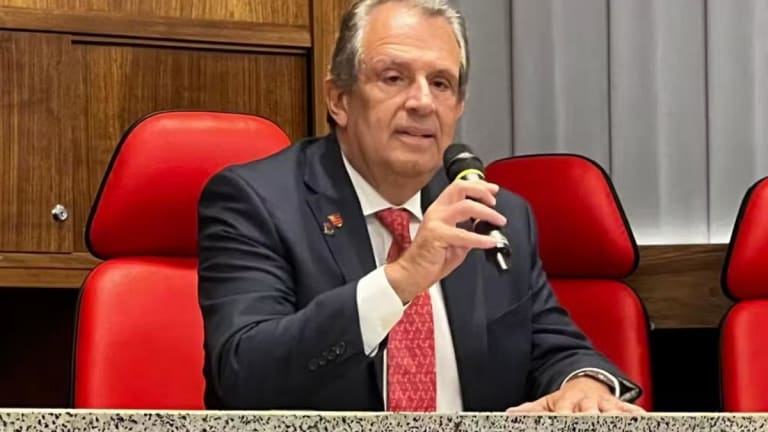
The debate surrounding the economic and social impact of sports betting companies has gained a new chapter in the national political agenda. During a recent speech, the President of the Republic renewed his sharp criticism of the sector and pushed back against complaints from sports executives, highlighting the stance taken by Flamengo‘s leadership.
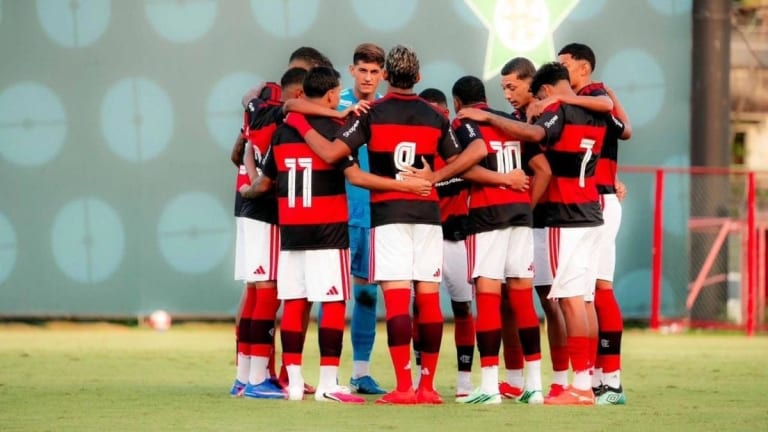
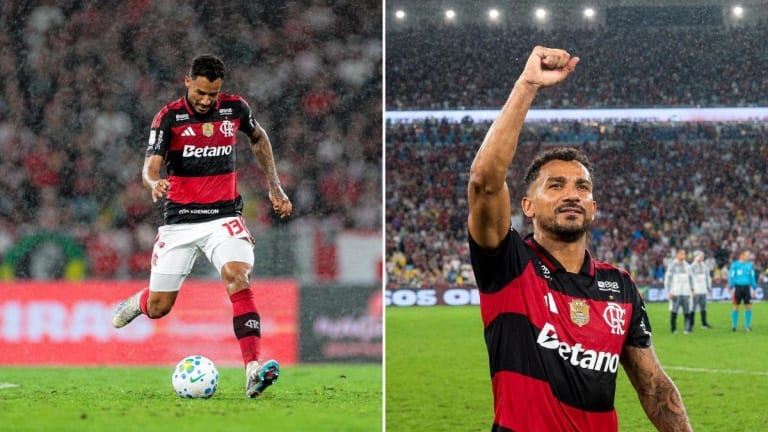
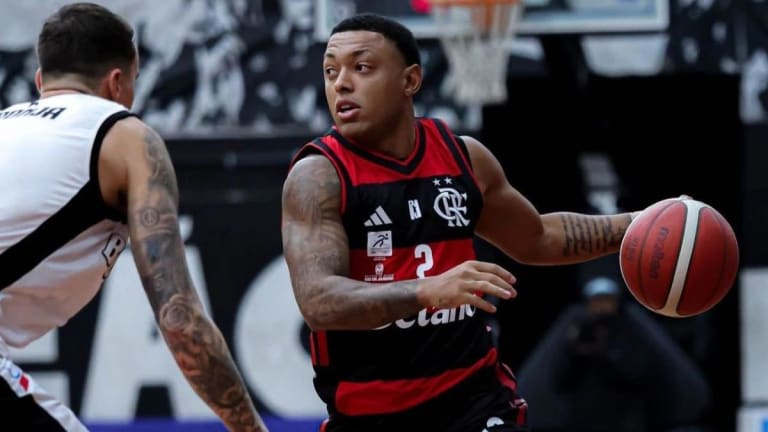
The measure adopted by the federal government sparked a strong reaction behind the scenes of the country’s most popular sport, especially among teams that hold multi-million dollar sponsorship contracts with digital platforms. The Flamengo administration, for example, publicly protested against the ban during an official match, pointing to significant financial losses for the institution’s budget.
Defending the ban and the historical impact
For the head of the Executive branch, the proliferation of virtual gambling platforms has brought significant negative consequences for low-income families. In his argument, the president recalled the victorious history of the Brazil national team and major national clubs in international tournaments won in previous decades, back when a regulated sports betting market did not yet exist in the country.
The federal administration argues that fans should not be treated as a source of funding for sports through high-risk betting. The stance reinforces the view that supporters already commit part of their income to tickets and official merchandise, making exposure to virtual gambling games unnecessary.
Management models and the future of clubs
Faced with complaints about falling sponsorship revenues, the government suggested that sports institutions modernize their management models. The transition to the “Sociedade Anônima do Futebol” (SAF) format—essentially converting clubs into private corporations—was pointed out as a viable path to ensure financial sustainability without depending on partnerships with the betting sector.
Teams can become companies. You remember that three decades ago everyone was talking about becoming a company. Now they can become companies, so why aren’t they?
The restrictions imposed by the Provisional Measure signed in September ended the advertising and operation of fixed-odds betting on Brazilian soil, affecting sponsor brands and altering the financial planning of various Brazilian Serie A clubs. It is expected that the clash between sports executives and the government will continue to resonate through the upcoming matches of the season and in the courts.