

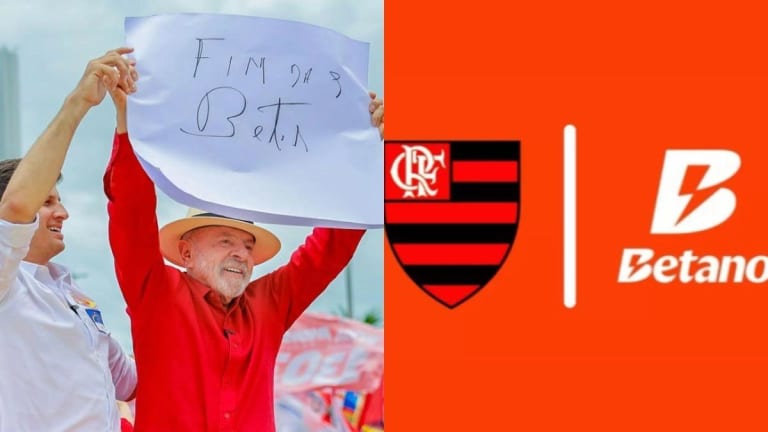
President Luiz Inácio Lula da Silva announced the signing of a provisional executive order (Medida Provisória) to restrict the operation of betting companies, sparking a strong reaction from clubs like Flamengo.
The landscape of Brazilian football is under high tension following an announcement made by President Luiz Inácio Lula da Silva this Friday (25). During a rally in Recife, the president confirmed he will sign a Provisional Measure (MP) aimed at ending the operations of online sports betting platforms in the country.
The statement was emphatic in its criticism of the financial dependence that major clubs have developed on these companies in recent years.
For Lula, club sustainability should not be tied to what he described as the exploitation of the purchasing power of the poorest portion of the population. The president noted that teams had the opportunity to transform into SAFs (limited liability football companies) to professionalize their management, but in practice, many institutions chose to maintain massive revenues originating from the betting sector.
Impact on club coffers
The presidential address directly cited figures received by sporting giants. According to the government, the dependence on this business model has reached unsustainable levels, and club officials will need to seek new sources of revenue.
The financial impact is immediate for teams that base their budgets on multi-million dollar deals with betting platforms.
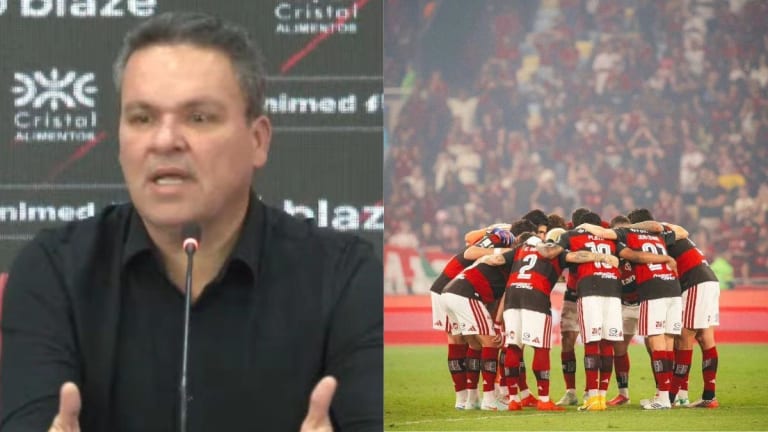
In the case of Flamengo, the alert is at a maximum. The club holds the largest sponsorship contract in the history of national football with Betano, valued at approximately R$ 268 million per season, with a deal running through 2028.
Although there is no formal termination, the instability generated by the new government policy calls into question the continuity of this financial support.
Positioning and legal certainty
In response, Flamengo published an official statement challenging the measure. The Rubro-Negro argues that the decision undermines the country’s legal certainty, as companies in the sector were encouraged to regularize their status, paid taxes, and made long-term commitments under the umbrella of legislation previously approved by Congress.
Brazil spent years discussing how to regulate sports betting. Congress approved it, the government regulated it, companies paid to operate legally in the country, made investments, and began complying with oversight, taxation, and consumer protection rules. You cannot create a rule, lead companies and institutions to make commitments based on it, and then change the entire regulatory framework overnight.
The club also highlighted that the ban could strengthen the clandestine market, which operates outside of state oversight and taxation. According to studies cited in the note, the previous regulation had reduced the market share of illegal platforms.
Dismantling the legalized sector could reverse this progress, harming not only football but the entire economic chain that sustains the sport in the country.
The M360 Team will continue to follow the developments of this measure and how clubs intend to adjust their budgets in the face of the likely loss of revenue from the betting market.
The future of sponsorship contracts and the financial viability of teams for the upcoming seasons have now become the biggest concern behind the scenes of national sports.
M360 Team