

The Federal Government is coordinating an emergency meeting with Brazilian club executives to discuss the severe financial impact caused by the recent ban on sports betting operators in the country.
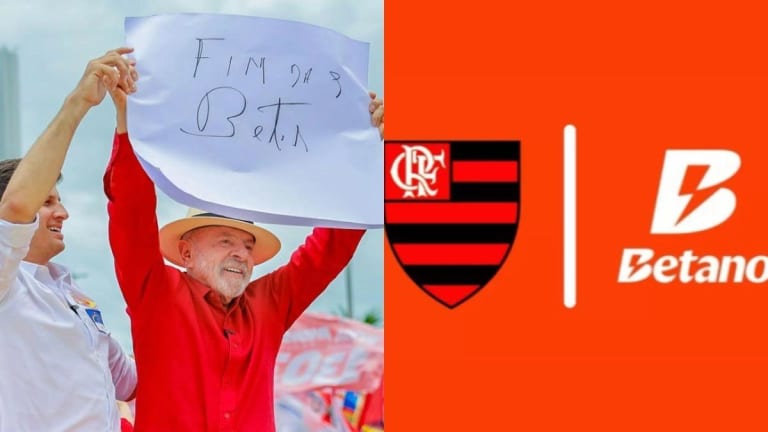
The recent decision by President Luiz Inácio Lula da Silva‘s administration to ban the operation of betting sites nationwide has created tension behind the scenes in Brazilian football. With multi-million dollar contracts at risk, elite clubs, led by Flamengo, are pressuring the Planalto Palace for alternatives to avoid a budgetary collapse in the sport.
The measure, which caught team administrative departments by surprise, has forced government officials to organize meetings for next week. The goal is to map the extent of the losses and seek mitigation strategies, in a move aimed at smoothing relations with sports entities amidst a backdrop of intense national political debate.
Financial impacts and the urgency of the sector
The ban directly shakes the budgetary planning of teams that rely on betting platforms as their primary source of advertising revenue. Fluminense was one of the voices suggesting a more gradual transition to avoid abruptly damaging the financial health of the institutions.
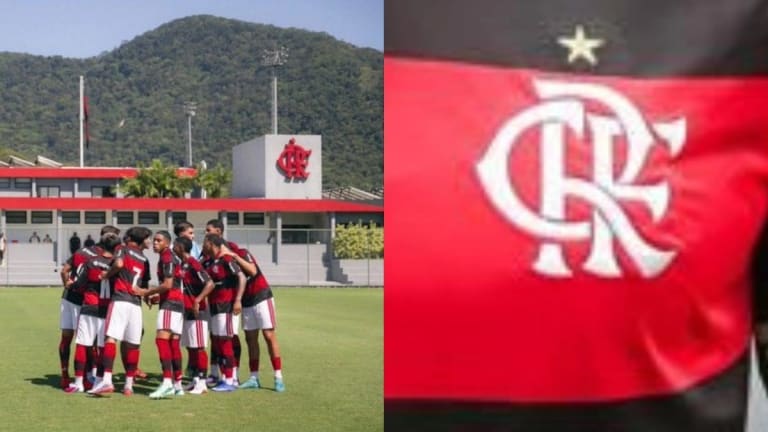
Flamengo, in turn, is leading the criticism regarding the lack of legal predictability. The Gávea board pointed out that the market invested millions following approval from Congress and government regulation, only to be surprised by a sudden change in the sector’s operational guidelines.
The Rubro-Negro board stated in an official note:
Brazil spent years discussing how to regulate sports betting. Congress approved it, the government regulated it, companies paid to operate legally in the country, made investments, and began complying with rules on oversight, taxation, and consumer protection. You cannot create a rule, lead companies and institutions to make commitments based on it, and then, overnight, change the entire regulatory framework.
Billion-real risk at Gávea
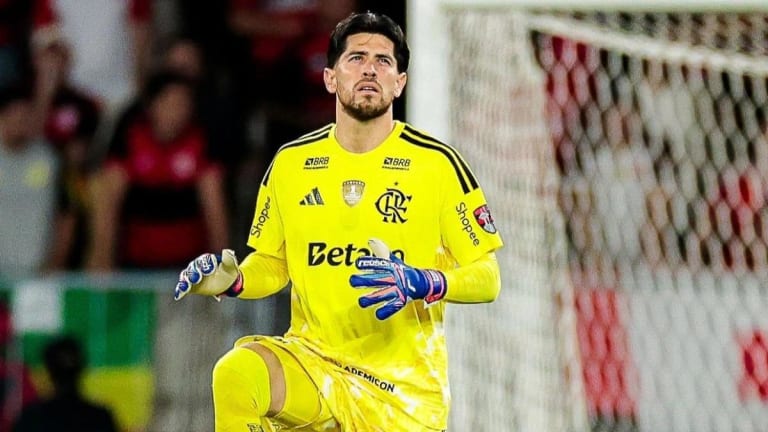
The situation at Flamengo is alarming. With its Betano contract threatened, the club projects losses that could exceed R$ 400 million, considering the deal that was set to run until 2028. Luiz Eduardo Baptista, or Bap, is already evaluating contingency plans, such as the return of historical partners like Lubrax for the premier space on the jersey.
Until the meeting takes place, the clubs’ strategy involves seeking lines of credit from BNDES to balance cash flow. The outcome of these discussions will be decisive in determining how the Brazilian Serie A will manage its resources and honor its financial commitments in light of the new regulatory reality imposed by the federal government.