
Flamengo shows a concerning dip in the second half, sparking alarm in the Brazilian Serie A title race
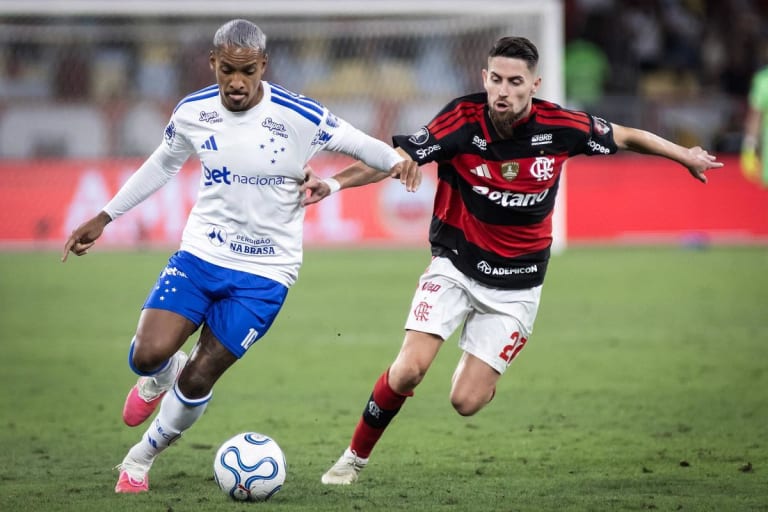
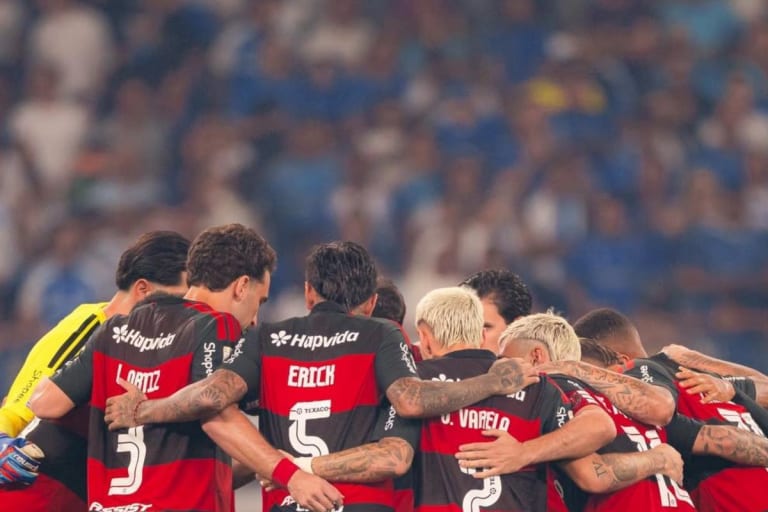
Flamengo‘s recent stumble against Cruzeiro, marked by a late comeback in stoppage time, has exposed a recurring vulnerability for the Rio giants: an unsatisfactory performance in the second half.
This pattern, which has dragged on for months, raises serious questions about the squad’s ability to maintain intensity and control over the full 90 minutes, putting their Brazilian Serie A title campaign at risk.
The Flamengo faithful have grown accustomed to a predictable script: the team starts matches with high pressure, suffocating the opponent and building leads.
However, after halftime, the dynamic changes drastically. The team becomes slow and disjointed, unable to sustain the momentum built during the first half.
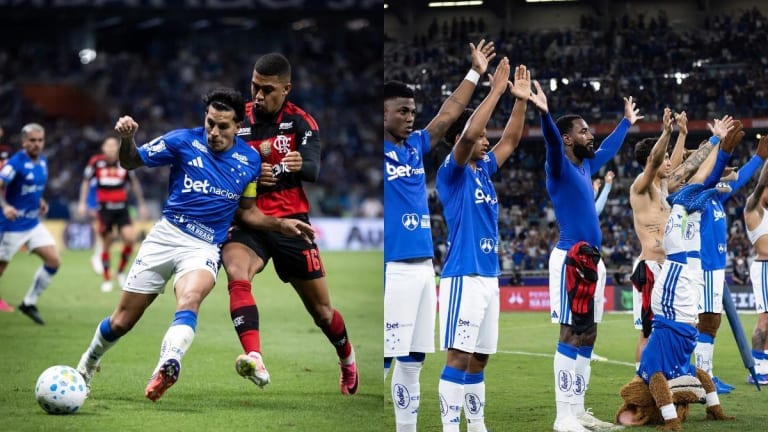
The 2-1 defeat to Cruzeiro, sealed by a decisive goal in the final minutes, underscored the persistence of this problem.
The Pattern of Collapse
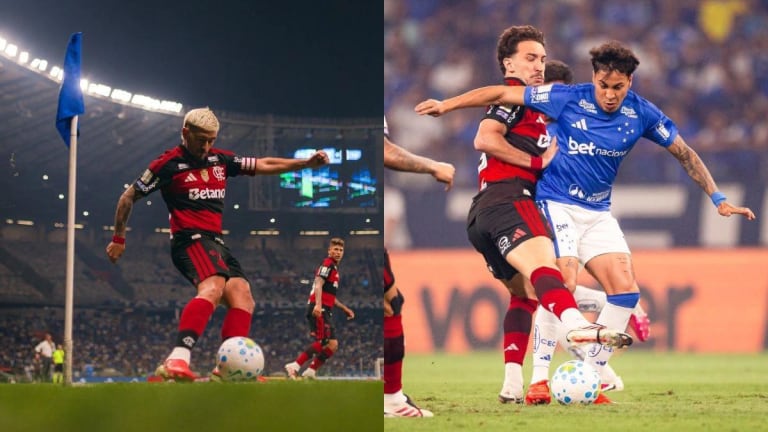
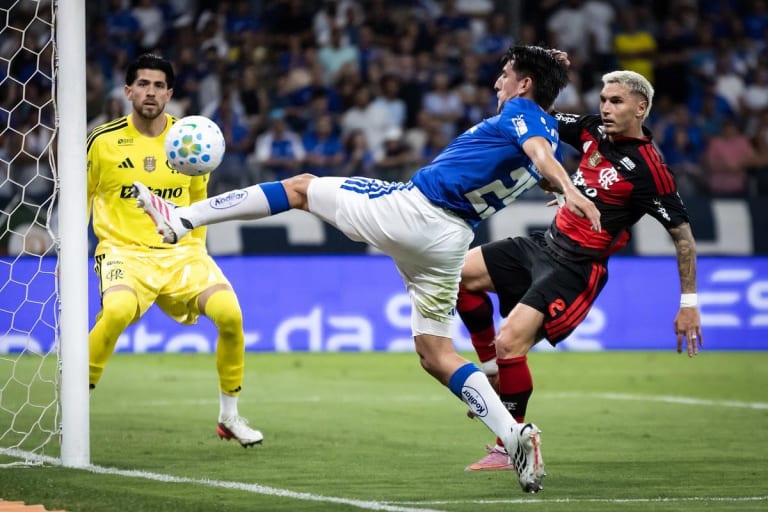
The match against Cruzeiro at the Mineirão perfectly illustrated the Flamengo dilemma.
The first half was a display of dominance, with high pressure, multiple chances created, and a goal from Pedro crowning their superiority. However, the second half saw a total collapse.
Statistics reveal the disparity: Cruzeiro, which managed only 7 shots in the first 45 minutes, fired 17 in the second half, highlighting the drop-off in the Rio side’s performance.
This decline is not an isolated incident. Similar situations have been observed in other recent matches, such as in the Copa Libertadores against the same Cruzeiro, where the behavior was identical: initial dominance followed by a sharp drop in the final stretch.
While Flamengo managed to escape at the Maracanã, the consequences caught up with them at the Mineirão.
Physical and Mental Hurdles
The reasons for this decline are complex and point to two crucial aspects: the physical and the mental.
The warning is not new. Earlier this year, Filipe Luís publicly admitted that the team was arriving a meter late in their press and that fatigue was clouding their decision-making.
The coaching staff changed, Leonardo Jardim arrived, and while the complaints changed tone, the core issue remained. By July, Jardim himself admitted that the results were worrying and promised to restore the team’s DNA. We are now at the end of August, and that DNA still only seems to appear in 45-minute doses.
Meanwhile, the mental aspect is becoming increasingly evident.
A mature team manages leads, controls the tempo, and kills off games when they have the chance. This Flamengo side does the opposite: they waste the period in which they are superior and then shrink back, as if a slim lead will defend itself.
Conceding a comeback in the 49th minute via a ball into the box isn’t bad luck; it is the natural consequence of 45 minutes spent inviting the opponent to believe.
The Table and the Ultimatum
Despite these problems, Flamengo still benefits from their strong start to the season and the continental prowess shown in the Libertadores.
However, the Brazilian Serie A is known for punishing inconsistency, and every point wasted after halftime represents an advantage handed to direct rivals like Palmeiras.
The upcoming derby against Botafogo serves as a decisive test.
A full week without games offers Jardim the opportunity to work specifically on the problem he himself diagnosed.
Yet, if this pattern of collapse persists, it could signal deeper limitations, whether in physical conditioning, preparation, or the tactical model itself.
With one of the most expensive squads in the country and players of undeniable quality, the lack of a consistent performance over 90 minutes has become their greatest obstacle.
Without solving the enigma of why Flamengodisappears in the second half, the team risks cementing its status as a one-half giant, at the mercy of the clock and generous to opponents who have learned to wait for the halftime whistle to chase a victory.