

FIFA addresses the participation of players accused of sexual offenses in the World Cup.
The presence of five players facing allegations or investigations for rape and sexual assault in the upcoming 2026 World Cup has sparked an intense debate regarding FIFA‘s eligibility criteria for athletes. Players from national teams such as Japan, Cape Verde, Morocco, and Ghana are among those involved, raising questions about how the sport’s governing body handles such serious accusations.
The international federation, in an official statement, clarified that there is no general rule preventing players from being registered simply because they are facing allegations or are under investigation. According to FIFA, the responsibility for national team selection lies with individual national federations. The body emphasizes that, in the absence of a suspension imposed by FIFA itself or a judicial decision restricting an athlete’s professional activity, the player remains eligible to participate in competitions.
FIFA’s stance
FIFA reiterates its commitment to taking any allegations of misconduct seriously and states that it has a clear process for reporting incidents. However, the organization’s independent judicial bodies generally do not comment on ongoing investigations, nor do they confirm or deny their existence. Information of this nature, when released, is provided at the time and in the manner deemed appropriate. In a statement, the federation declared it is in contact with New Zealand authorities and, for now, will not offer further comments on specific cases.
High-profile cases
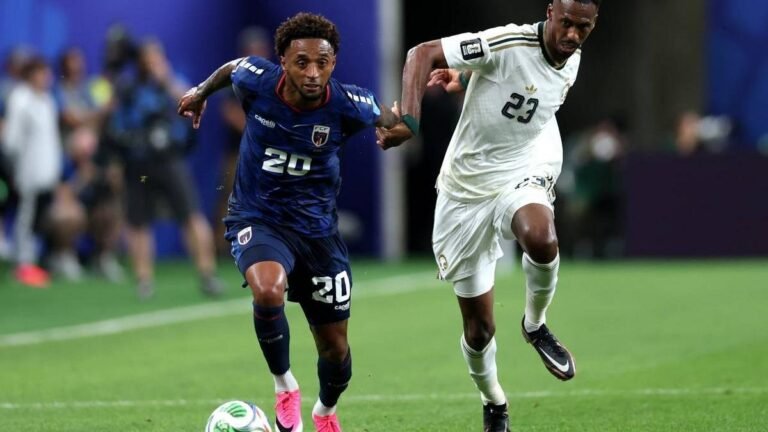
Cape Verde captain Ryan Mendes is one of the players under investigation. He is being probed by New Zealand police following a rape complaint filed by a Brazilian woman, allegedly occurring during the national team’s visit to the country for World Cup preparatory friendlies.
In Japan, two athletes are involved. Junya Ito was accused by two women of sexual assault in 2024, but the Japanese Public Prosecutor’s Office opted not to proceed with the case due to a lack of evidence. Meanwhile, Kaishu Sano, who was arrested following a sexual assault accusation, was not convicted and has returned to the national team. In 2025, he issued a public apology: “I sincerely apologize for causing trouble and concern to so many people because of my actions. Moving forward, I intend to continue demonstrating my commitment through my actions, words, and everything I can do, as well as contributing to society off the pitch.”
Moroccan star Achraf Hakimi is facing a rape charge in France regarding a 2023 incident and is awaiting trial; he denies the accusations. Finally, Ghana midfielder Thomas Partey is facing charges of rape and sexual assault in the United Kingdom. This case notably impacted his availability for competitions, as he was denied a visa by Canadian authorities, preventing him from playing in his team’s World Cup opener against Panama.
FIFA‘s position, while technical, sets precedents and raises important discussions about the responsibility of sports organizations to protect victims and maintain ethical standards on and off the field. The evolution of these cases and the entity’s future decisions will shape public perception and the regulation of world football itself.