

Foreign players seek Brazilian citizenship to open up roster spots.
The CBF (Brazilian Football Confederation) has implemented new regulations regarding the number of foreign players allowed on the rosters of Brazilian clubs. Faced with this shift, which aims to increase competitiveness and provide more space for local talent, clubs are beginning to expedite the naturalization process for some of their most important athletes. This initiative has emerged as a crucial strategy to maintain squad strength despite the restrictions.
The possibility of naturalizing foreign athletes opens up a range of opportunities for Brazilian clubs to navigate these new requirements. National legislation, which involves procedures with the Federal Police and the Ministry of Justice, establishes clear deadlines and requirements for granting citizenship. The duration of residency is one of the primary factors, along with proof of proficiency in Portuguese and a clean criminal record.
Requirements for Naturalization
For a foreign player to obtain Brazilian citizenship, the law generally requires them to reside in the country continuously for a period of four years. However, this period can be significantly reduced to just one year in specific situations. This includes cases where the athlete is from a Portuguese-speaking country, has a Brazilian child, or is married to a Brazilian citizen.
Notable Names
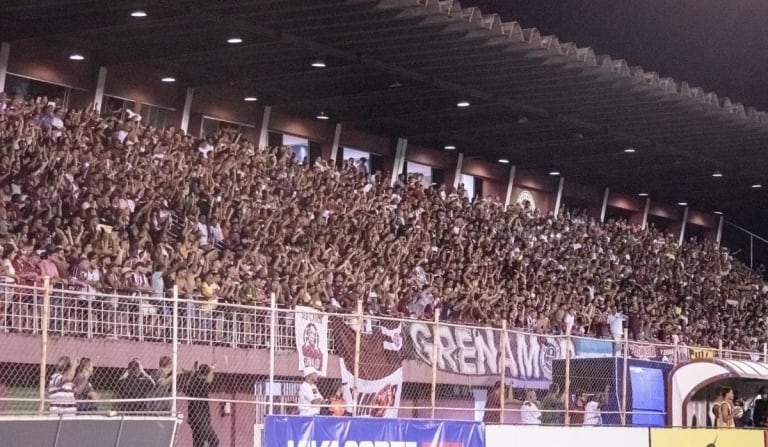
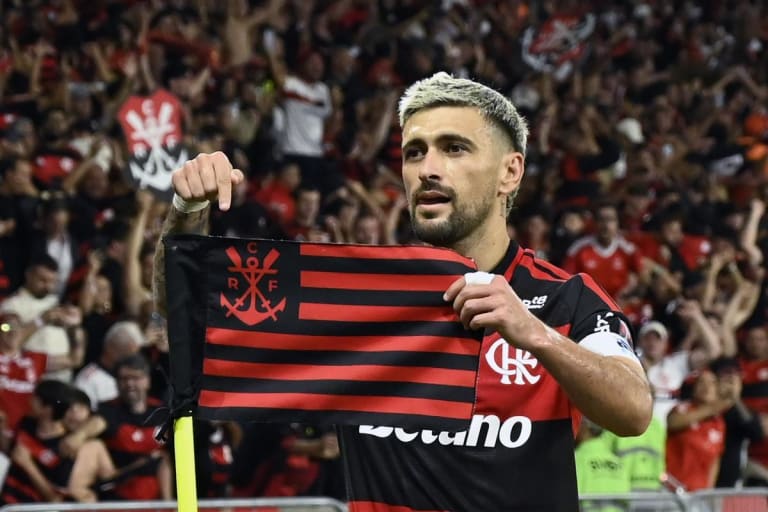
Several renowned players in Brazilian football have already benefited or are in the process of benefiting from naturalization. Defender Kannemann, from Grêmio, is a success story in this regard, having already obtained citizenship. Now, eyes are on other stars who have accumulated enough residency time in Brazil. Arrascaeta of Flamengo, Gustavo Gómez of Palmeiras, and Germán Cano of Fluminense are among the names who have the required residency time to initiate or advance their naturalization applications.
The naturalization of these athletes not only frees up foreign player slots, allowing clubs to sign new talent from abroad, but also contributes to their integration into Brazilian society. The ability to communicate in Portuguese, required during the process, demonstrates a deeper commitment to the country that has welcomed them and where they are building their careers.
The continuation of these naturalization processes could have a significant impact on the landscape of Brazilian football, especially in domestic competitions. With more naturalized Brazilian players performing at a high level, clubs will have more flexibility to build their rosters while maintaining quality and competitiveness. This reinforces the importance of long-term strategies by club management to ensure sustainability and success in championship campaigns.