


The ban on betting via Provisional Measure creates a domino effect on the economy. Beyond soccer clubs, agencies, suppliers, and the job market face legal uncertainties and risks of contract terminations across various sectors.
The recent publication of Provisional Measure (MP) No. 1.394, which mandated the prohibition of fixed-odds betting activities and advertising in Brazil, has brought consequences that extend beyond the sports universe. The federal government imposed the immediate end of sponsorships on jerseys, stadium signage, and digital ads, aiming to curb serious social damages, such as family indebtedness and public health problems.
However, the impact of this measure goes far beyond the soccer fields. The decision, which came into effect at the end of September 2026, shakes an extensive production chain, involving television broadcasters, digital influencers, technology companies, payment processors, and logistics service providers. The scenario demands careful analysis of existing contracts and labor obligations.
The Cascade Effect on the Economy
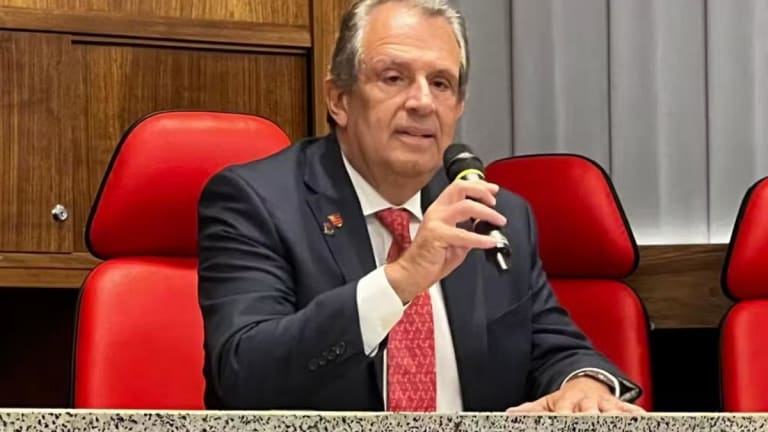
Leonardo Dias, a partner at the law firm Urbano Vitalino Advogados and a specialist in sports and entertainment, warns that the abrupt interruption of sponsorship contracts generates a chain reaction. The reduction in advertising funds forces budgetary restructuring that affects everything from large event producers to small freelance service providers.
When an event loses a significant sponsor, it may need to reduce its budget. This affects suppliers of sound, structure, production, and other services. The impact can reach a much larger chain than just the betting companies. Even an Uber driver can be affected if a large event has to be scaled down.
Challenges in Contract Termination
With the prohibition of online betting, many betting houses have initiated unilateral termination or payment suspension moves. Although the claim of “force majeure” is common, Leonardo Dias emphasizes that the termination of agreements is not automatic nor free of penalties. The analysis must be individualized, observing how each contract distributed the operational risks.
Each case, each contract must be analyzed. Negotiation can be a good path, provided it defines the amounts owed, any reimbursements, and the conditions for terminating or adapting the contract. It is not possible to recommend a penalty-free termination for all cases.
Impacts on the Job Market and Layoffs
Another critical point concerns labor relations. There is doubt whether the ban on betting would allow for the reduction of severance pay due to “force majeure.” The expert clarifies that the MP does not, in itself, authorize the reduction of labor rights. It is exclusively up to the Labor Courts to assess whether the legal requirements for qualifying as force majeure are met.
The company cannot conclude that the change in legislation allows it to pay employees less. It is necessary to verify the legal requirements and the circumstances of each termination.
Scenario of Legal Uncertainty
The future of these operations remains murky, as the National Congress will still analyze the validity of the MP. The deliberation period extends until November 2026, with the possibility of modifications or even rejection of the measure. Meanwhile, companies are trying to navigate an environment of legal insecurity, where the protection of the population and business continuity must be balanced.
Regarding the possibility of compensation claims by betting houses against the Union, Leonardo Dias considers that, although the right to judicial action exists, success is uncertain and will entirely depend on the reasoning and decisions that will be made by higher courts in the coming months.