

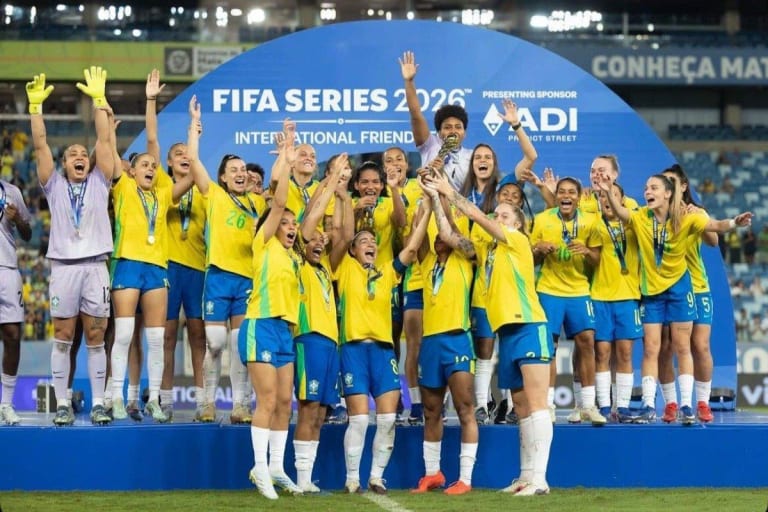
The 2027 Women’s World Cup promises to transform Brazil’s sports economy, generating billions and paving the way for a new era of structured funding and long-term investment in women’s soccer.
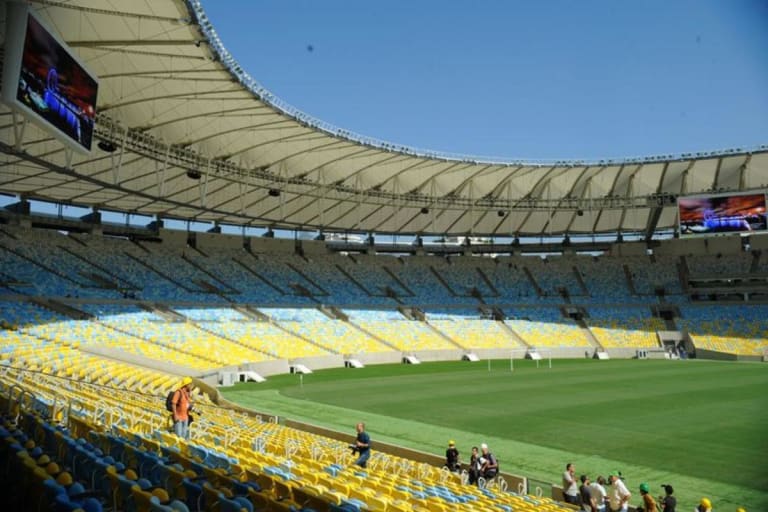
Hosting the 2027 Women’s World Cup in Brazil goes far beyond what happens on the pitch. The tournament has the potential to move billions within the economy, inject significant resources into the national GDP, and create tens of thousands of jobs. Beyond that, the global competition puts a definitive spotlight on the sport, sparking crucial debates on how to turn this temporary visibility into a solid and continuous financial ecosystem.
The current landscape of women’s soccer already shows clear signs of expansion and professionalization. With a significant increase in the number of national competitions, matches played, and clubs engaged in both senior and youth categories, the sport requires robust financial planning. It is precisely within this growth context that experts point to the urgency of connecting passion for the sport with modern mechanisms for fundraising and sports management.
Visibility can translate into lasting structure
Preparation for the 2027 World Cup directly involves creating government and legislative strategies to ensure a tangible legacy. The Ministry of Sport and the National Congress are making progress in consolidating guidelines aimed at athlete development and club professionalization. The primary goal is to ensure that the impact of the competition does not end with the final whistle, benefiting everyone from grassroots social projects to the country’s top-tier teams.
For expert Rafaella Krasinski, the concept of legacy must be expanded to benefit the entire sports ecosystem.
“Full stadiums and increased viewership are important, but there is an opportunity to go further. Legacy can also be a young girl finding a structured youth academy, a club capable of planning for the following season, or a social initiative that can serve more people because it has secured a recurring source of funding,”
she emphasizes.
Tax incentives expand possibilities
Beyond the enthusiasm generated by the World Cup, the Brazilian regulatory landscape has begun to offer new tools to foster sport. With the approval of broader legal frameworks for tax incentives, states and municipalities have gained the autonomy to use local taxes to support sports projects. However, accessing these resources requires technical rigor from the organizations involved.
Structuring solid projects with clear budgets, defined goals, and total transparency in financial reporting has become a mandatory requirement for attracting brands and sponsors.
“The clearer the project is, the easier it is for a company to understand where the money will be applied and what results that investment intends to generate. It’s not just about raising funds. There is a whole process of structuring the proposal beforehand and another of executing, monitoring, and demonstrating what has been delivered afterward,”
points out Rafaella Krasinski.
The arrival of the 2027 World Cup represents a historic and decisive milestone for consolidating Brazilian women’s soccer at a sustainable financial level. By uniting popular engagement, new incentive laws, and professionalized club management, the country has a golden opportunity to turn this mega-event into a perpetual engine for development, inclusion, and the professionalization of the sport for generations to come.