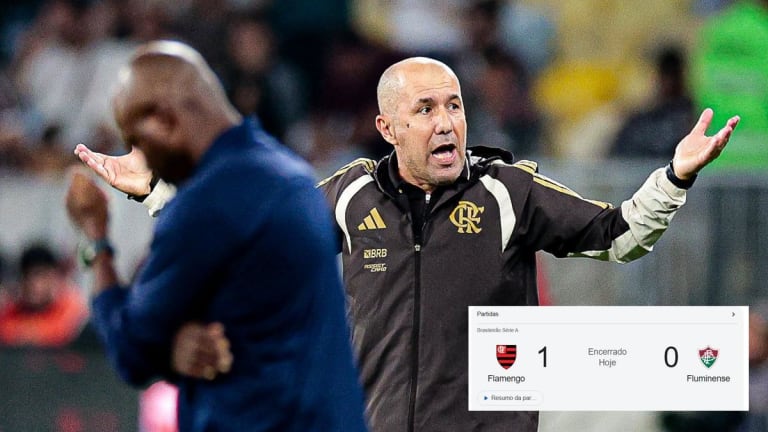



The legal battle over the use of the Maracanã stadium reaches a new turning point as Fla-Flu Serviços attempts to bar Vasco from hosting Boca Juniors at the venue.
The court dispute over the management of the Maracanã has entered a new and decisive chapter this week. Fla-Flu Serviços S.A., the consortium responsible for managing Rio de Janeiro’s iconic stadium and formed by Flamengo and Fluminense, has decided to take their legal battle to the STJ (Superior Court of Justice). Their goal is to prevent Vasco from hosting the second leg of their Copa Sudamericana semifinal against Boca Juniors at the stadium, currently scheduled for October 20.
This new appeal was assigned to the president of the STJ, Justice Luis Felipe Salomão, following a series of consecutive losses for the concessionaire in the TJRJ (Rio de Janeiro Court of Justice). The case’s progression to the country’s highest court has sparked backstage debate due to family ties involving the Vasco leadership, adding further tension to a situation that is already mobilizing fans and public security officials in Rio de Janeiro.
Pitch arguments and the impact on the sporting calendar
The primary justification presented by the management consortium to move the international clash away from the Maracanã centers on the preservation of the pitch. The administration argues that the grass has recently undergone a complete replacement following an NFL event, and they advocate for a mandatory operational interval of 720 hours between sporting events held at the venue.
Despite the concessionaire’s insistence on suggesting the Nilton Santos stadium as an alternative, reports issued by Bepe (Specialized Stadium Policing Battalion) confirmed that security protocols are sufficient to hold the match at the traditional venue. The legal situation took a definitive turn when Judge Joaquim Domingos de Almeida Neto granted a request from the prosecutor’s office, highlighting the fact that Vasco fans had already purchased a massive volume of tickets.
“The concessionaire’s refusal, based on secondary arguments, contradicts the technical understanding of security agencies.”
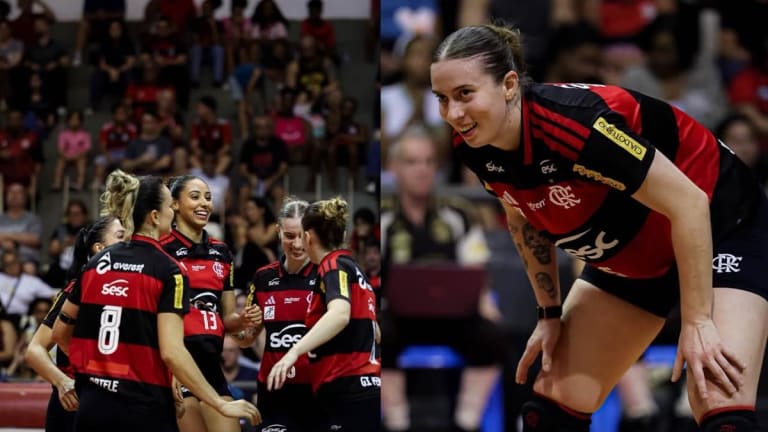
This judicial tug-of-war also directly impacts the administrative routine and other Flamengo sporting departments. With the rival’s match confirmed for the stadium, related events—such as an NBB basketball game at the adjacent Maracanãzinho arena—had to be rescheduled to avoid operational conflicts in the metropolitan area.
While the first leg of the semifinal will take place at La Bombonera in Argentina, all eyes remain on the final ruling from the Brazilian higher court. A potential legal reversal could bring renewed uncertainty regarding the venue for the decisive return leg, complicating the logistical planning for both teams and the national sports calendar.