

The return of the Brazil national team to the country following their World Cup elimination is marked by a hollow squad and uncertainty regarding the future of manager Carlo Ancelotti.
The early exit of the Brazil national team from the 2026 World Cup has left deep scars and a sense of disillusionment among fans who carry the Brazil flag. Following a 2-1 defeat to Norway, a somber atmosphere took hold of the delegation, resulting in a quiet and sparse return to Brazilian soil. The majority of the squad opted to travel directly to their homes last Sunday, rather than returning on the official charter flight provided by the CBF.
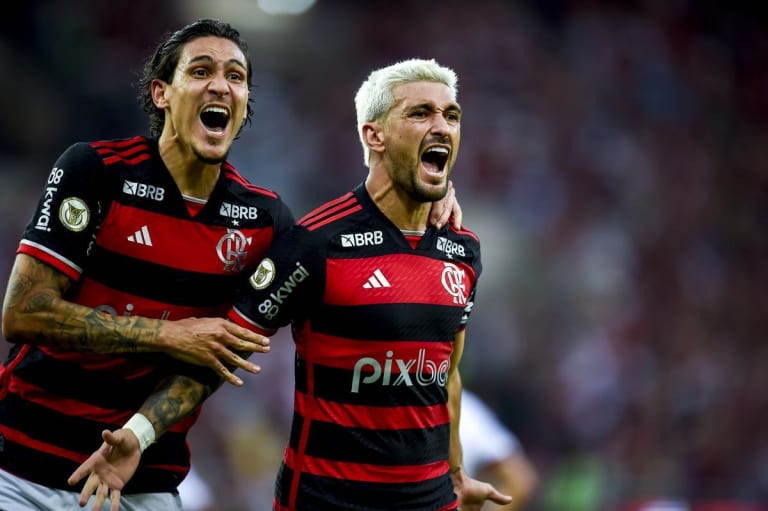
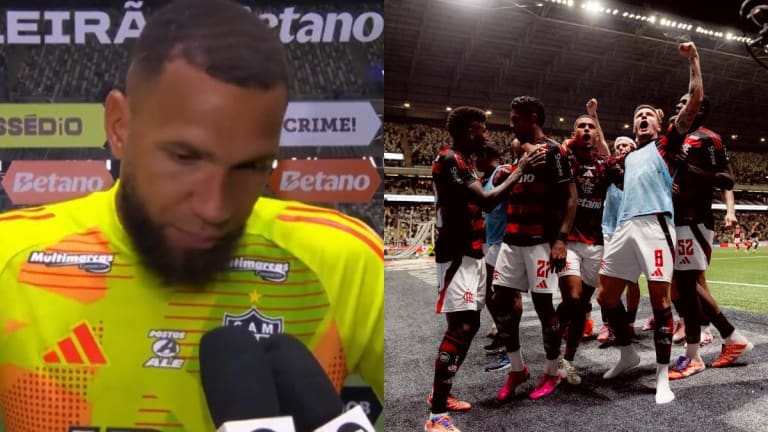
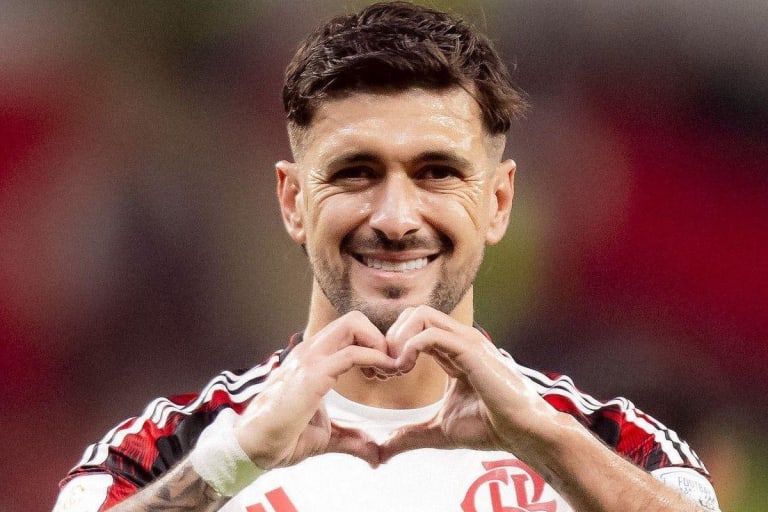
The post-failure landscape highlights the demobilization of the group led by Carlo Ancelotti. Only a small contingent, composed mostly of athletes playing in the domestic league—such as those from Flamengo, Botafogo, and the Grêmio goalkeeper—is expected to be part of the delegation arriving in Rio de Janeiro this Tuesday. The rapid disintegration of the group symbolizes the melancholic end of a cycle that held great promise but delivered performances well below expectations.
Ancelotti’s future and the national team’s hiatus
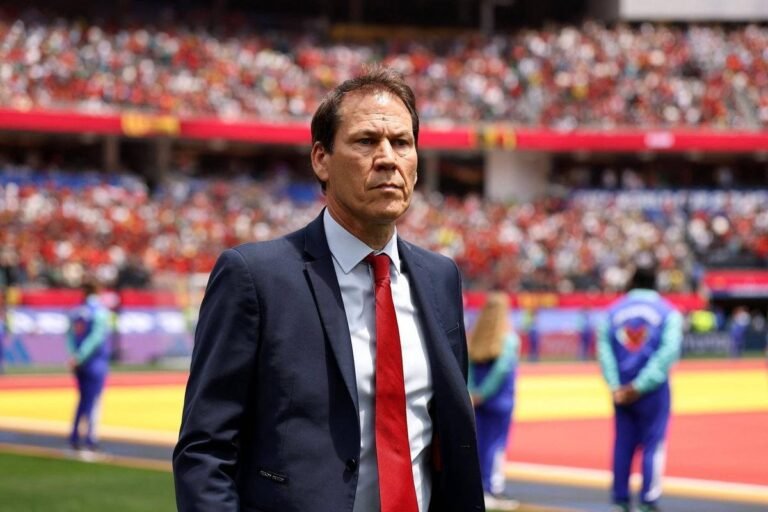
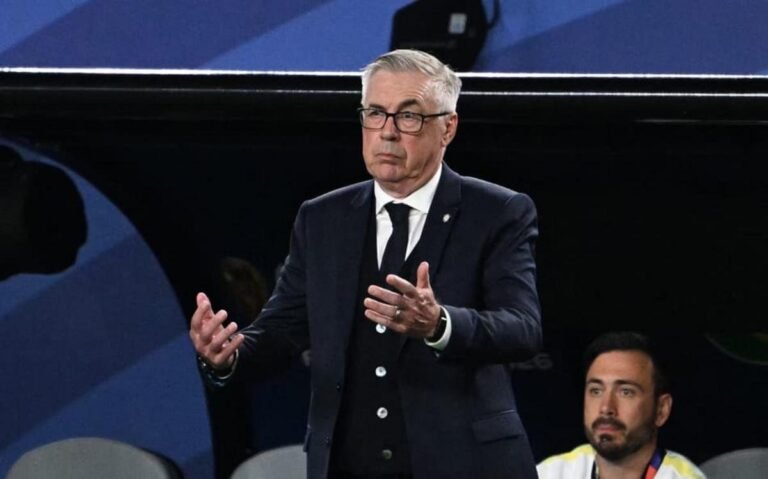
The figure of Carlo Ancelotti has also become a logistical and political mystery. The manager, who faced harsh criticism following the elimination, will not return to Brazil with the players. According to reports, the Italian chose to take a period of rest at his residence in Canada, staying away from the Brazilian spotlight during this turbulent time.
Ancelotti’s decision to momentarily step away reflects the immense pressure facing the coaching staff after a campaign marked by questionable tactical choices and management failures that echo all the way to the CBF headquarters.
Projections for the next cycle
The horizon for the Brazil national team points toward a necessary renewal. The upcoming fixtures, scheduled for September against Australia in Townsville and Brisbane, should serve as an initial laboratory for the new preparation cycle leading up to the 2030 tournament. With the likely absence of players who will be beyond the age limit for the next competition, the expectation is that the coaching staff will introduce a squad list featuring new faces.
The fans, who always demonstrate grit, love, and passion for the yellow jersey, are waiting for concrete answers from the CBF. This is a moment for deep reflection: Brazilian football needs to understand where it went wrong and how to rebuild an identity that, in recent matches, seemed lost on the pitch. The return to Brazil is only the first step toward a restructuring that will be demanded with every new kick of the ball.