

World Cup defeat highlights the urgent need for a revamp in Brazilian youth football.
The early elimination of the Brazil national team in the latest World Cup, following a 2-1 loss to Norway, has opened up an urgent debate regarding the development of athletes and the future of the game in our country. The performance on the pitch, characterized by the Norwegians’ 60% ball possession compared to just 34% for Brazil, has sounded an alarm that resonates well beyond the sidelines.
The CBF Academy perspective
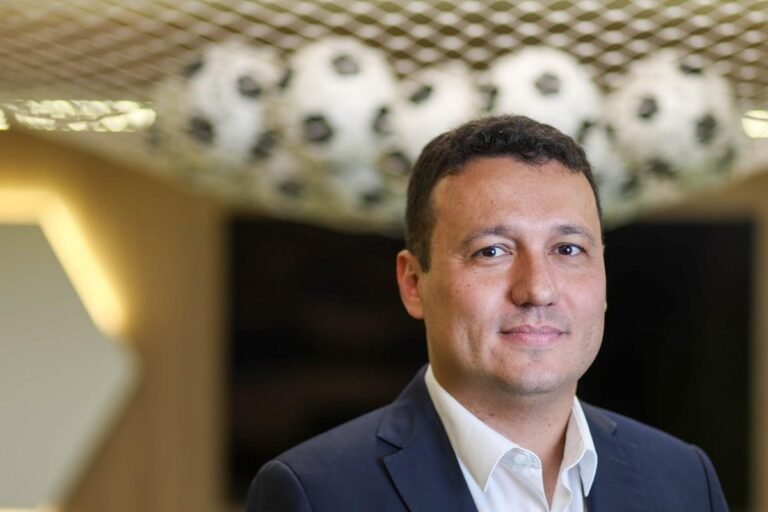
Amid the frustration, a measured voice has emerged to analyze the landscape: Tiago Pereira, an economist, professor, and director at the CBF Academy. Pereira advocates for a deeper, more educational approach to youth divisions, arguing that an exclusive focus on immediate results can hinder long-term development. “Immediate results should not be the only metric of success,” the director points out, highlighting the importance of structural planning.
Tactical analysis and game control
The match against Norway exposed tactical and technical frailties. The Nordic superiority in ball possession—a crucial indicator of game control—was striking, surpassing even the team’s performance against Iraq, which finished the tournament in last place. This statistic reinforces the theory that the Brazilian style of play is in need of a review, with an emphasis on the ability to dictate the tempo and maintain control of the game.
Next steps for Brazilian football
The current situation demands a deep reflection on player development methods, from the youth ranks to the professional level. The CBF and Brazilian clubs must join forces in a robust educational plan that prepares athletes not only technically, but also tactically and mentally for global challenges. The future of Brazilian football depends on a commitment to excellence in development, ensuring that the next generation of stars can uphold our nation’s tradition of success in the world’s most popular sport.
RELATED NEWS
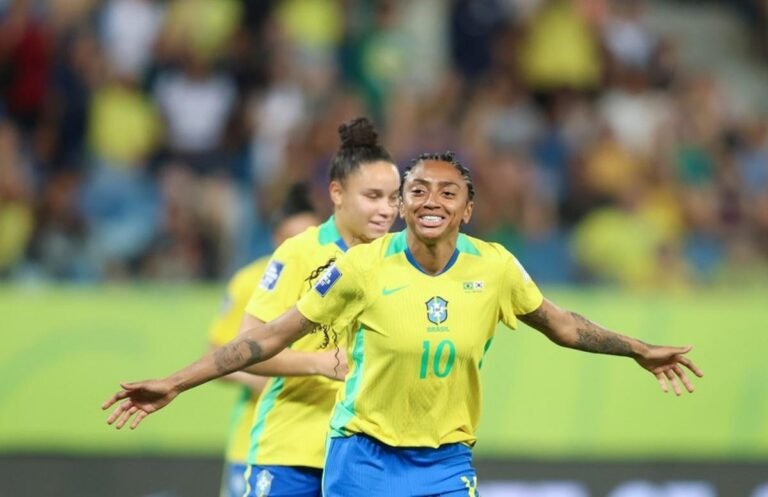 Kerolin Transfers to Barcelona for Record-Breaking Fee in Brazilian Women’s Football
READ MORE
Kerolin Transfers to Barcelona for Record-Breaking Fee in Brazilian Women’s Football
READ MORE
 Jorge Jesus: Close to the Brazilian National Team, he was already suggesting players for a preliminary squad
READ MORE
Jorge Jesus: Close to the Brazilian National Team, he was already suggesting players for a preliminary squad
READ MORE
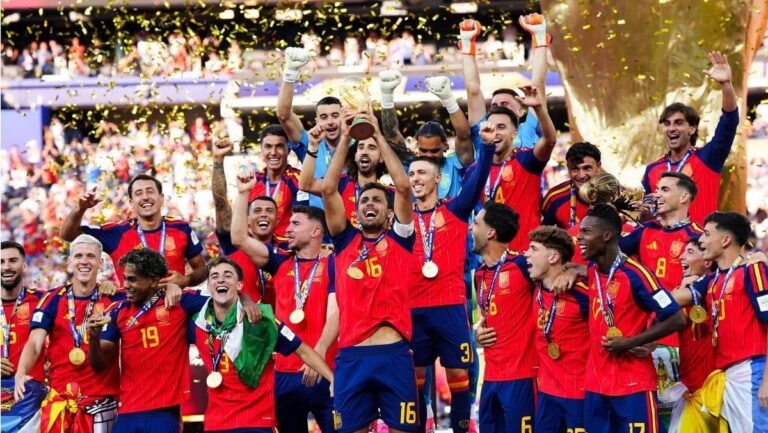 Spain Takes Top FIFA Ranking Spot After World Cup Title Win, Germany Exits Top 10
READ MORE
Spain Takes Top FIFA Ranking Spot After World Cup Title Win, Germany Exits Top 10
READ MORE