

Rio City Hall grants a crucial permit for the ambitious R$ 500 million hotel and commercial complex at the Gávea headquarters, boosting Bap’s administration.
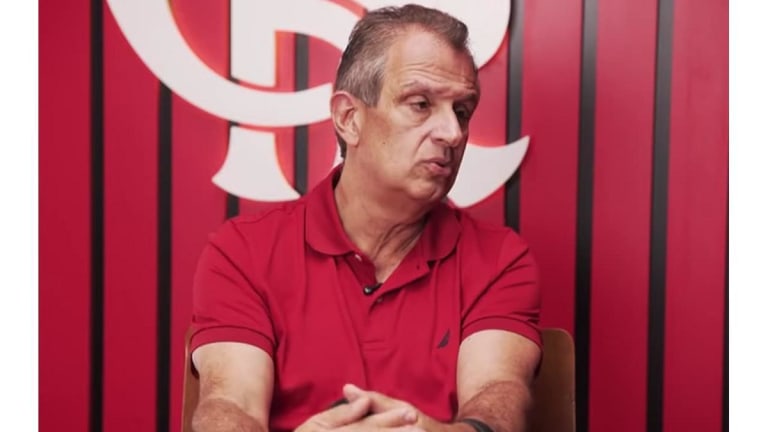
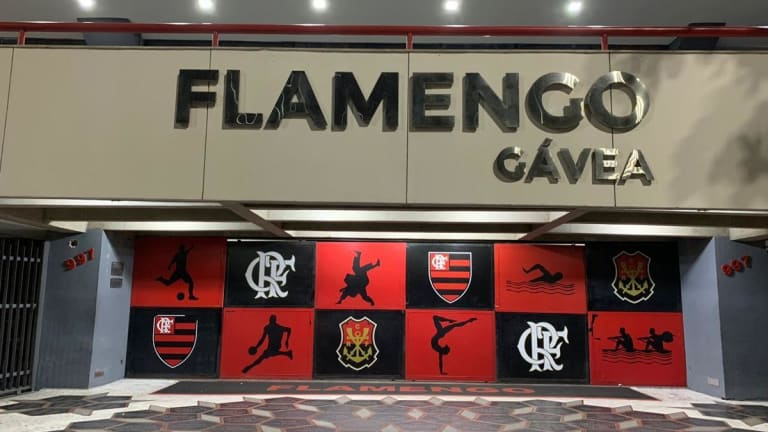
Flamengo’s asset modernization plan took a decisive step forward in recent days with the approval of the Rio de Janeiro City Hall. The municipal administration issued the necessary permits for the construction of the eagerly awaited hotel and commercial complex at the historic Gávea headquarters, valued at around 500 million reais. Under the leadership of president Luiz Eduardo Baptista, known as Bap, the initiative promises to radically transform the landscape and financial potential of the Rio de Janeiro club in the coming years.
The approval represents a strategic victory for the current administration of the Rubro-Negro, which seeks to diversify its revenue sources beyond the pitch. The project recently underwent structural remodeling to ensure greater market appeal, abandoning the original single-tower concept to embrace a more robust and commercially viable model in Rio’s South Zone.
New Structure of the Gávea Development
The initial project only envisioned a five-star hotel by the Lagoa. However, market analyses conducted by the board of directors of the Mais Querido pointed to higher profitability in the construction of two ten-story towers, totaling 348 rooms under a four-star standard.
In addition to lodging, the complex will include a modern shopping mall with 82 integrated stores and more than 500 parking spaces. The board’s vision goes beyond traditional hospitality, also incorporating entertainment areas to maximize the flow of visitors and tourists in the region.
Financial Partnerships and Business Model
To get the ambitious plan off the ground without compromising the football finances, Bap‘s administration adopted an external partnership strategy. Major financial institutions, such as XP and BTG Pactual, emerge as favorites to structure and finance all the capital required for the civil works.
The board of the Clube da Gávea established as a basic premise that no direct contributions would be made using the club’s own cash reserves. As reported by the Equipe M360, the business model attracts investors willing to manage future results, sharing operational profits with the Rio-based institution.
Parallel Construction at Ninho do Urubu
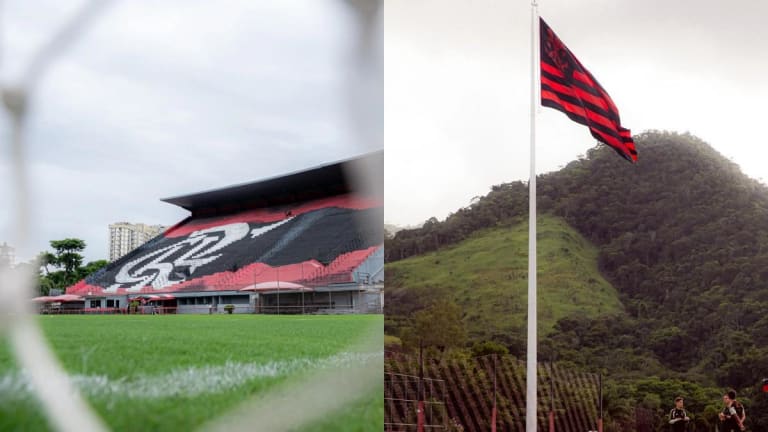
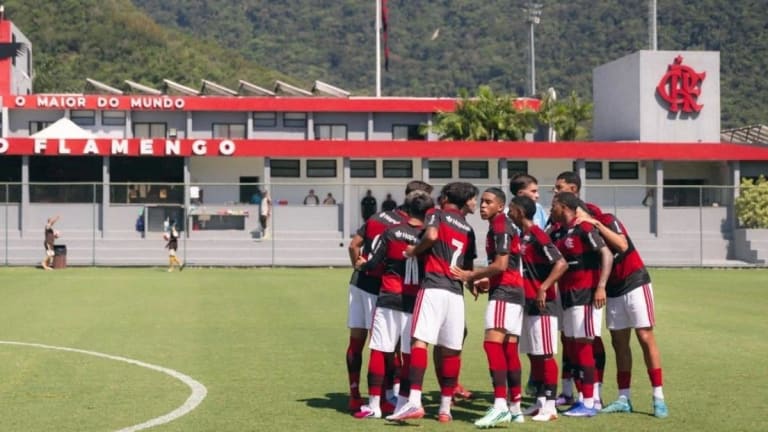
While municipal bureaucracy moves forward in the South Zone, physical improvements continue at full speed at the Ninho do Urubu training ground. The Rio club maintains a firm schedule for the completion of the new mini-stadium located at Campo 10, with delivery estimated for the second half of 2027.
The seating capacity of the new sports venue was expanded from 2,000 to 4,500 seats. The expansion guarantees the Time da Gávea an adequate space for youth academy matches, corporate events, and large-scale commercial activations.
The approval of the municipal permit crowns a phase of strategic planning in Flamengo‘s administration. With the advancement of financial negotiations and a focus on asset expansion, Bap‘s administration paves the way to solidify the club among the most solvent and well-structured brands on the South American continent.
Equipe M360