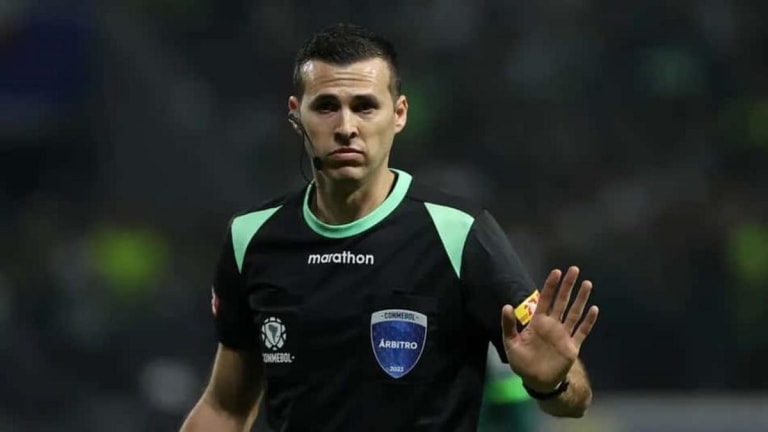



In 2014, a passion for the whistle gained legal recognition. The profession of football referee, once seen merely as a vocation, was officially regulated, becoming a milestone for the category.
In a year that would be historic for Brazilian football, with the country hosting the 2014 World Cup, news of great impact reverberated behind the scenes of the sport: the regulation of the football referee profession by federal law. This measure, approved by the National Congress and signed into law, brought a new status to those who, with the whistle in their mouth and the flag in their hand, are essential to the flow of the matches.
For decades, being a referee in Brazil was much more than a job; it was a true devotion. It required personal sacrifices, investments in courses, rigorous physical training to keep up with 90 minutes of play, and, above all, unwavering mental resilience to withstand the pressures and heated reactions of the fans. Now, this central figure in the sport receives the professional recognition they deserve.
The Whistle Gains a Voice
The new legislation did not change the technical and physical requirements to become a football referee. Excellence on the pitch and knowledge of the rules remain the foundation. However, the major difference is that, from then on, referees gained the prerogative to organize themselves into a professional category. This means having a voice to defend their rights, seek better working conditions, and structure a true career, with all the benefits and protections that formalization provides.
End of the Amateur Era, Beginning of Professionalization
The era in which football referees operated in a gray area, between amateurism and semi-professionalism, came to an end with the signing of this federal law. The initiative represented a fundamental step toward valuing a job that is often thankless and the target of harsh criticism. The measure was intended to solidify the importance of the referee, not just as an enforcer of the rules, but as a professional who deserves respect and guarantees.
A Legacy for the Refereeing Career
Even though the law cannot, by itself, shield referees from verbal abuse and the intense passion of the fans, it paved an essential path. It provided a legal foundation so the category could fight for more dignity and safety in their work environment. From that moment in 2014, the landscape for the men and women of the whistle changed drastically, establishing a new standard for the development of the refereeing career in Brazilian football. The pursuit of a fairer and more respectful environment for referees is a continuous journey, strengthened by this legal milestone.
Mengão 360