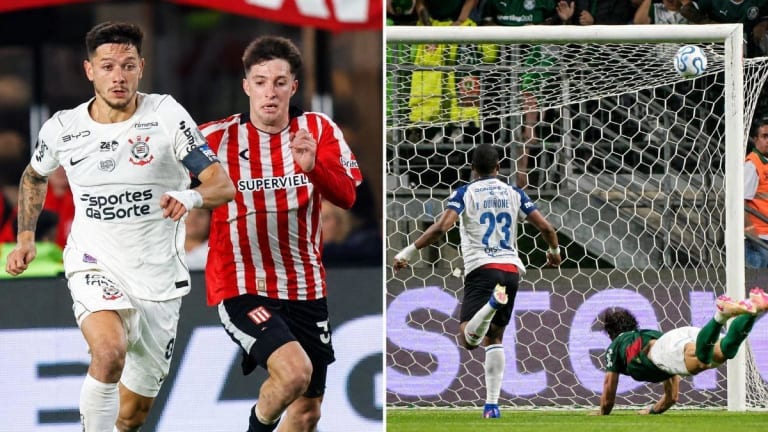


Soccer’s Transfer Market Reaches Record $50.4 Billion After World Cup, FIFA Reveals
Global soccer has witnessed an unprecedented financial volume in the latest transfer window, fueled by post-World Cup activity. A report released by FIFA indicates that the transfer market generated an impressive US$ 9.89 billion, equivalent to R$ 50.4 billion.
This sum establishes a new historical record for the sport, surpassing the corresponding period in 2025 by 1.5%.
The remarkable figure was achieved through the negotiation of 11,968 players, with another 607 transfers still in the process of being finalized. Europe, the nerve center of world football and home to the wealthiest clubs, leads this financial flow. The European transfer window, which takes place mid-year, was the stage for multi-million dollar deals.
Record Transactions and European Dominance
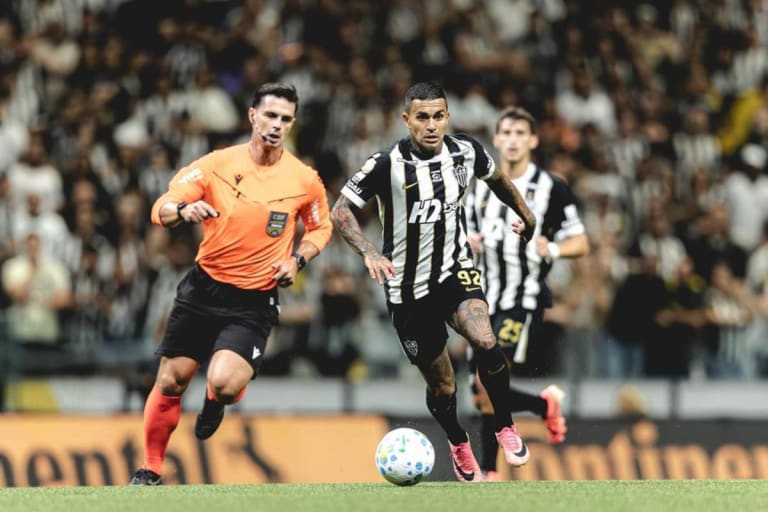
The most significant transaction this window involved two English football giants: Chelsea negotiated the transfer of Argentine midfielder Enzo Fernandez to Manchester City for an astronomical R$ 871.8 million.
This movement reflects European dominance, with England, Spain, Portugal, France, and Germany ranking among the top five markets for international signings. Four of these countries also stand out as the main exporters of talent.
Brazil, while not among the biggest buyers, is on the list of countries that sold the most players abroad. The export of Brazilian athletes during this period reached 525 players, while the country imported 318, resulting in a financial surplus.
Inflows totaled US$ 212 million (R$ 1.08 billion), and outflows amounted to US$ 127 million (R$ 648.5 million). Despite the positive balance, the volume of business is lower than the 2025 record.
In that year, Brazil registered sales of US$ 460 million (R$ 2.3 billion) and also spent considerably more on signings. The number of foreign players signed by Brazilian clubs is the lowest since 2022.
Destinations and Origins of Players
In terms of exports, Portugal stands out as the main destination for Brazilian players, receiving about 20% of the negotiated athletes, which is equivalent to 117 players.
Surprisingly, Thailand (38) and Malta (26) follow, trailed by Japan and the United Arab Emirates, both with 19. Regarding financial figures, English clubs lead the spending on Brazilian players, with US$ 57.3 million.
Italy (US$ 28.6 million), Ukraine (US$ 26 million), Portugal (US$ 14.6 million), and the United States (US$ 12.4 million) complete the list of top buyers.
As for reinforcements arriving in Brazilian football, Portugal also leads as the most frequent country of origin, with 67 players. Following are Colombia (18), Argentina and Spain (both with 15), and Japan (13).
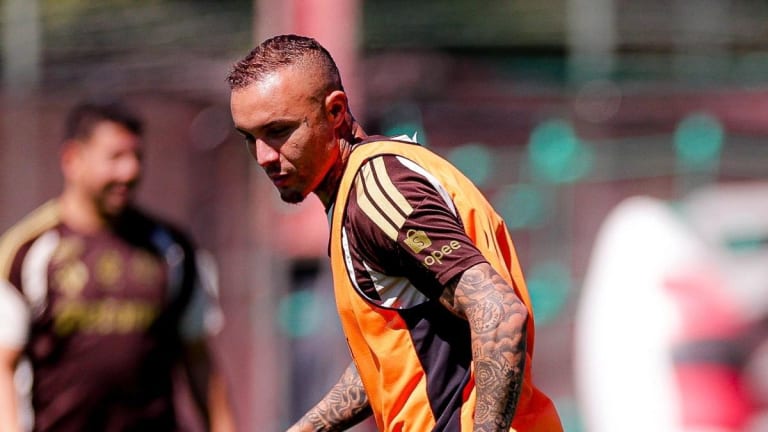
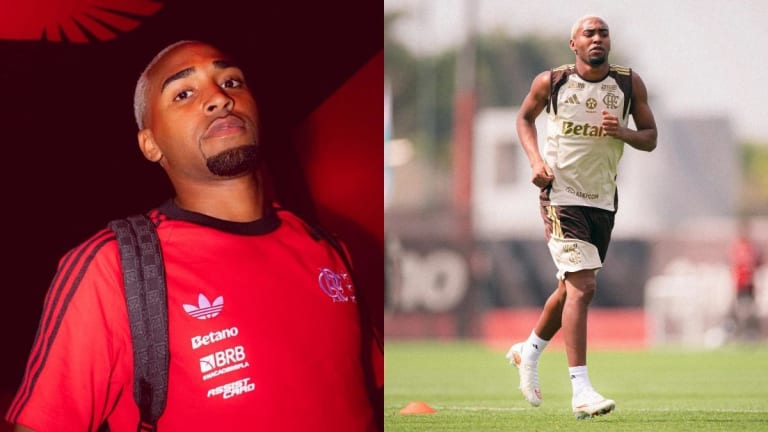
Recent signings, such as Flamengo acquiring an Argentine from River Plate and an Ecuadorian, and Vasco signing a Brazilian from Serbia, illustrate this trend.
Financially, Argentine clubs benefited the most from selling players to Brazil, earning US$ 40.2 million. England, the United States, Portugal, and Belgium also had significant revenue from transactions with the Brazilian market.
FIFA’s analysis not only reflects the financial strength of global soccer but also details market dynamics, highlighting the concentration of power in Europe and the specificities of player exchange with other regions.
The financial performance of this post-World Cup window signals a scenario of high demand and valuation in the world’s most popular sport.