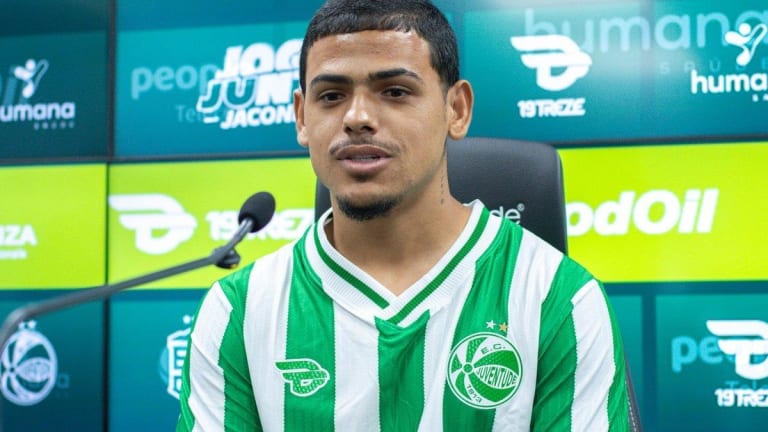


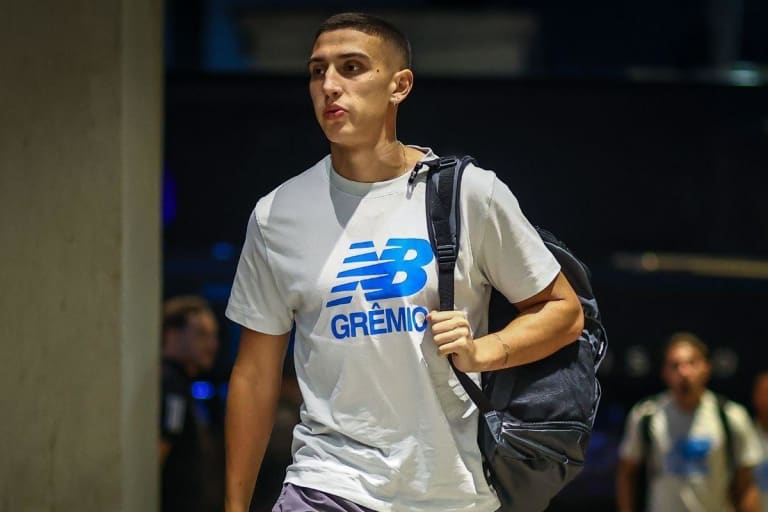
Grêmio is facing a new administrative hurdle after receiving a transfer ban from FIFA due to outstanding financial obligations in the acquisition of midfielder Miguel Monsalve from Independiente Medellín.
Grêmio‘s football department received a concerning notification from FIFA this Friday (9). The club was officially sanctioned with a prohibition on registering new players, a measure known in the transfer market as a transfer ban.
The sanction is driven by a debt of approximately R$ 2 million relating to the signing of Colombian player Miguel Monsalve.
The unpaid balance owed to Independiente Medellín puts the Grêmio board in a race against time.
If the financial issue is not resolved quickly, the Tricolor could face restrictions for up to three consecutive transfer windows, which would seriously compromise the team’s strategic planning for upcoming seasons.
Understanding the transfer scenario
The deal that brought Monsalve to Brazil was finalized in July 2024, when Grêmio paid around $2 million to acquire 50% of the player’s economic rights.
The player quickly became an important part of the squad managed by Renato Portaluppi, but issues surrounding the transaction’s payment ultimately ended up in the legal arena of world football’s governing body.
Grêmio’s board is working internally to settle the amount and lift the ban, allowing the club to regain autonomy to register players in FIFA‘s system and reinforce the squad according to the needs identified by the coaching staff.
Obstacles beyond FIFA
In addition to this specific transfer ban, Grêmio‘s management is also dealing with a preventive hold imposed by ANRESF (National Agency for Football Regulation and Sustainability).
This obstacle, which began in August 2026, is focused on compliance with Financial Fair Play rules, requiring the club to prove its budgetary soundness before making any new moves in the market.
Even if the debt to the Colombian club is settled, the Tricolor’s challenge remains twofold.
The club will need to reconcile the payment to FIFA with presenting financial guarantees to ANRESF.
The situation comes at a critical moment, as the team struggles to recover in the Brazilian Serie A and prepare for the upcoming Gre-Nal derby, increasing backstage pressure at the club’s stadium as management seeks operational stability for 2027.