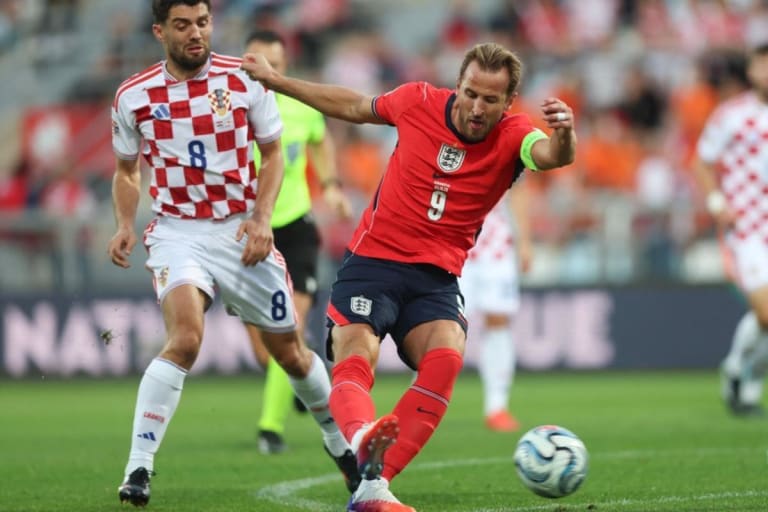


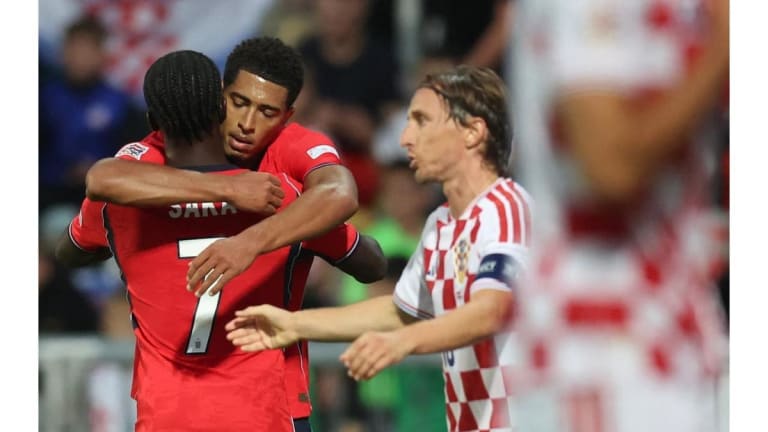
On a night to forget in the Nations League, veteran Luka Modric labeled the 7-0 defeat to England as the most embarrassing moment of his international career.
Luka Modric‘s journey with the Croatia national team reached a dramatic turning point this week. Considered one of the greatest midfielders in football history, the captain watched his team get completely overwhelmed by England in a 7-0 result that stunned the European landscape.
The setback is historic, marking the largest margin of defeat suffered by the Croatians in two decades of international competition. The defensive fragility displayed against the English exposed a squad overhaul process that appears to have overwhelmed the team’s veteran experience, leaving both fans and the coaching staff on high alert.
The weight of a historic defeat
For Modric, who boasts rare longevity at the elite level, the result surpassed any frustration experienced since his debut in 2006. England gave them no chances, controlling the midfield and exploiting gaps that were previously covered by the Real Madrid star.
“It is difficult to find words to describe what happened. In twenty years of wearing these colors, I have never felt such shame on the pitch as I did today. We need to take responsibility for this disastrous performance.”
A cycle in question
The impact of this result goes beyond the Nations League standings. Croatia, which in recent years has become accustomed to challenging giants and reaching the final stages of World Cups, must now face questions regarding its ability to compete against emerging powerhouses with such physical and technical intensity.
The M360 Team highlights that this match serves as a watershed moment. With upcoming fixtures approaching, the coach will need to reevaluate the tactical scheme and the integration of new talent to avoid an irreversible drop in performance in the current cycle.
The immediate future of the Croatian national team will be decisive. Rebuilding the group’s morale after a humiliation of this magnitude will require more than tactical adjustments; it will require an immediate shift in attitude to prevent the legacy of one of Eastern Europe’s brightest generations from being tarnished by recent results.