

### 2026 World Cup: FIFA’s hybrid pitches spark controversy and divide opinions among players and coaches
The stage for the 2026 World Cup, spread across three countries and 16 stadiums, presents unique challenges for maintaining pitch quality. FIFA has opted for an innovative solution: hybrid pitches, a blend of 90% natural grass and 10% synthetic turf—a technology already in use at venues like the Maracanã and Arena Corinthians.
The football governing body’s choice of this technology aims to ensure durability and stability, even with the tournament’s intense match schedule. Christian Eberlin, Senior Market Development Manager at Yara Brasil, highlights the crucial role of synthetic fibers: “Thousands of synthetic fibers inserted below the surface create a more resilient structure, reducing the formation of ‘divots’ and keeping the field level and safe,” he explains. This innovation, already well-established in Europe, seeks to adapt to the varied climate conditions across Canada, the United States, and Mexico.
Climatic challenges and technological adaptations
The differences in temperature and humidity between World Cup host cities, such as the extreme heat in Miami and the milder climate in San Francisco, required meticulous planning. FIFA, in partnership with American universities, developed a project to create pitches adapted to both hot and cold climates.
Eberlin details the strategies: “In hot regions, Bermuda grass is preferred for its resilience, while Ryegrass stands out in colder climates. For variable climates, ‘overseeding’ practices ensure the maintenance of color and quality throughout the year,” he states.
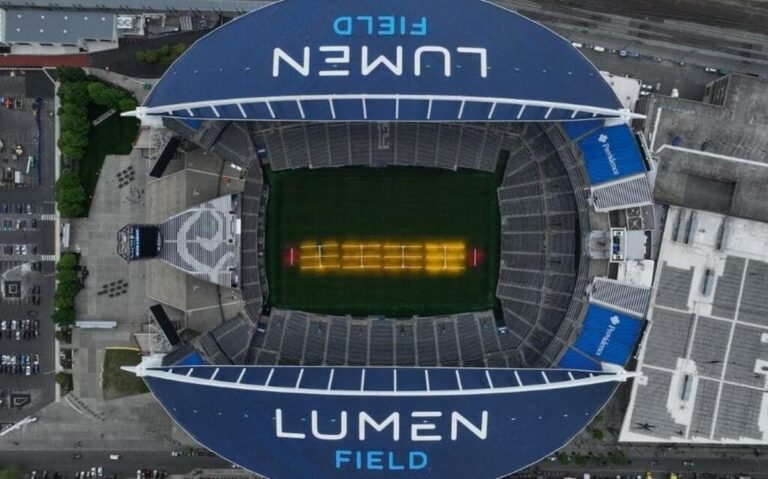
Beyond climatic variations, architectural features like stadium roofs present an additional challenge. Arenas such as AT&T Stadium and NRG Stadium use climate control and artificial lighting to simulate ideal sunlight conditions, ensuring photosynthesis and grass development even in shaded areas. This technology, visible through the pink-hued lights over the pitches, is essential for maintaining field health.
Divided opinions: Hardness of concrete and praise for BC Place
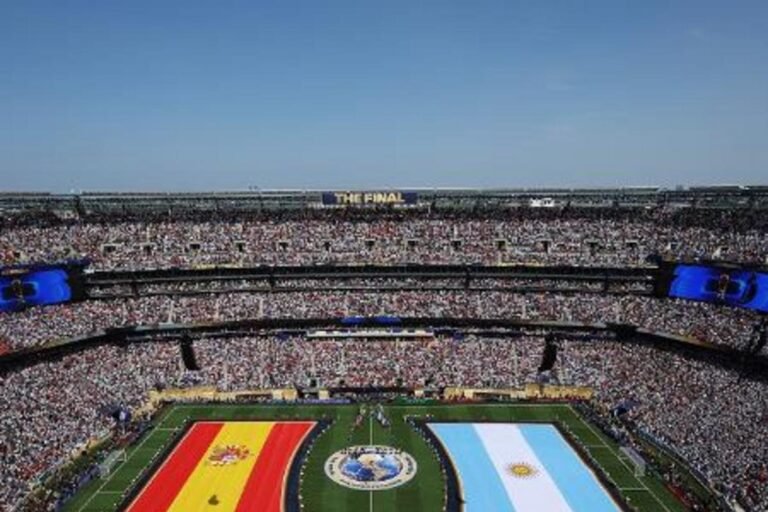
Despite technological efforts, player experiences with the World Cup pitches have been mixed. Stadiums with concrete foundations, such as MetLife Stadium, the venue for the final, have faced criticism. Vinícius Júnior and Adrien Rabiot reported feeling the hardness of the concrete under the grass, affecting the speed of play and creating an “artificial surface” feel. France head coach Didier Deschamps also noted that the rigidity of the floor alters the ball’s bounce.
Conversely, BC Place in Vancouver has received praise. Players like Aiden O’Neil and Alistair Johnston highlighted the exceptional quality of the pitch, attributing its success to careful cultivation at specialized farms and the stadium’s climate management, which includes a retractable roof. These contrasting experiences highlight how infrastructure and local conditions directly influence athletes’ perceptions of pitch quality at the 2026 World Cup.