

Athletico and Coritiba Remain Up-to-Date on Salaries Amidst Financial Crisis Affecting Half of Serie A Clubs.
Despite the good financial standing of the Paraná duo, Brazilian football faces a contradictory scenario. Clubs have never earned so much money, yet at the same time, they accrue debts to their athletes. This situation has led some teams to suffer severe penalties, such as transfer bans imposed by FIFA.
A survey, released by journalist Jorge Nicola on the R7 portal, reveals that ten of the twenty clubs in the national football elite are behind on payments. Debts related to salaries, image rights, and signing bonuses have become a recurring problem, impacting management and sports planning.
Clubs Up-to-Date Contrast with Financial Reality
Amidst a concerning scenario, Athletico and Coritiba stand out positively. Both clubs keep their squad payments up-to-date, ranking among the ten Serie A teams that fulfill their financial obligations to players.
The list of clubs with current accounts also includes Bahia, Chapecoense, Cruzeiro, Flamengo, Mirassol, Palmeiras, Red Bull Bragantino, and Remo. Vitória also appears well-positioned, with a single pending legal issue with goalkeeper Gabriel Vasconcelos.
Brazilian Football Giants Face Significant Debts
In contrast, major clubs like Atlético-MG, Botafogo, Corinthians, Fluminense, Grêmio, Internacional, São Paulo, Santos, and Vasco face serious financial difficulties, with outstanding accounts with their players.
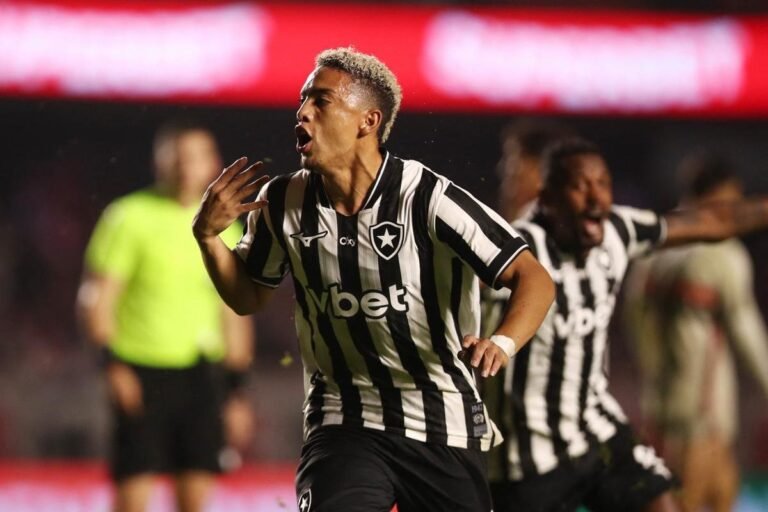
The situation is so critical that some of these clubs have already suffered FIFA transfer bans. Botafogo, for example, has accumulated seven penalties for debts exceeding R$ 200 million, while Corinthians has three prohibitions on registering athletes. São Paulo and Santos were also prevented from signing new players due to financial arrears.
Scenario in Serie B and Lack of Effectiveness of Measures
The scenario in the Campeonato Brasileiro Série B (Brazilian Serie B) also reflects the crisis, with eleven of the twenty clubs reporting delayed payments. However, Operário and Londrina follow the example of the Paraná duo, with payments up to date.
The creation of a Financial Fair Play agency, implemented in 2026 to monitor clubs, has not yet had the desired effect in resolving the debt problem in national football.
The complex financial context of Brazilian football demands attention and new strategies to ensure the long-term sustainability of clubs. Responsible financial management and fulfilling obligations to athletes are crucial for the health of the sport in the country.
By M360 Staff