
Flamengo expresses support for an investigation that could impact dealings between Vasco, Palmeiras, and Crefisa.
The decision by the National Agency for Football Regulation and Sustainability (ANRESF) to launch an investigation into the sale of Vasco’s SAF (Football Incorporated Society) has caused quite a stir. Clube de Regatas do Flamengo issued an official statement expressing its support for the initiative, highlighting the importance of analyzing potential conflicts of interest within the deal.
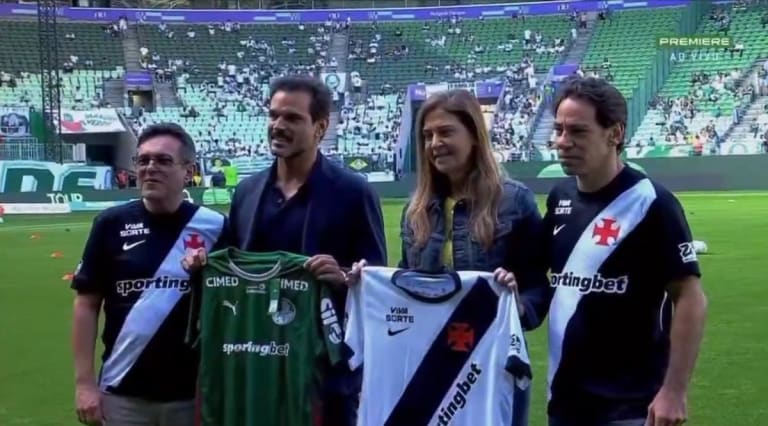
The investigation focuses on the potential acquisition of the Vasco SAF by a group led by businessman Marcos Lamacchia, the stepson of Leila Pereira, president of Palmeiras and owner of Crefisa. The concern is that this family relationship could constitute cross-influence and competitive asymmetry between clubs that compete in the same tournaments.
Injunction Imposes Restrictions
As part of the investigation, ANRESF has imposed an injunction that prohibits Vasco from engaging in various operations with Palmeiras and companies linked to Crefisa. The ban covers player transfers, financial transactions, the sharing of facilities, and the exchange of sensitive information.
The prohibition also extends to new loans or the expansion of financial operations with entities linked to Crefisa. Pre-existing agreements, however, are not automatically invalidated.
Timeline and Implications of the Decision
ANRESF is expected to conclude its analysis within 30 days, after which the final opinion on the operation will be released, with no possibility of appeal. The process is being conducted under confidentiality regarding contracts and financial data, marking a new phase of scrutiny for the negotiation of the Vasco SAF.
Flamengo’s statement reinforces concerns previously raised by its board, aligned with the Financial Sustainability System Regulation (RSSF). The Rubro-Negro club emphasizes the importance of ensuring the independence of clubs, the integrity of competitions, and the enforcement of Financial Fair Play.
The Rio-based club argues that the possibility of economic control between participants in the same league distorts the competition and could set risky precedents for the SAF market in Brazil. Flamengo believes it is essential that the precautionary measures cover all parties involved, including companies controlled by the same economic group.
Flamengo expressed confidence in the independent actions of ANRESF, viewing the case as a crucial test for the new Brazilian football regulatory system, aimed at fostering an environment of greater governance, balance, and institutional security.