

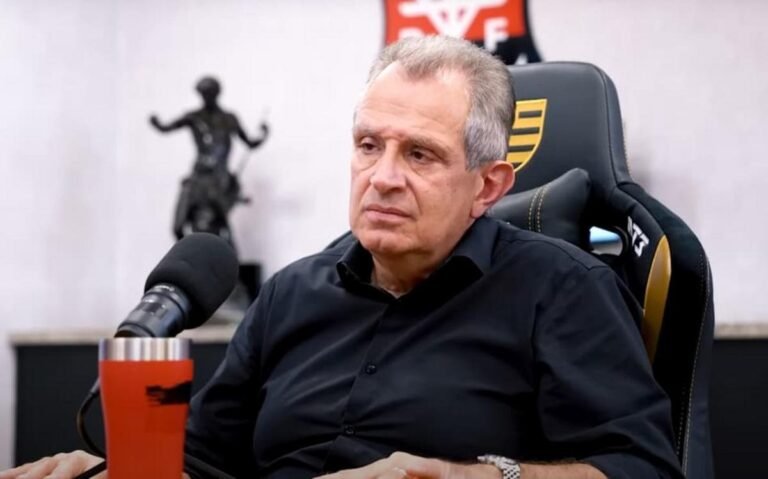
Flamengo has petitioned the ANRESF to block the sale of Vasco’s SAF, citing multi-club ownership rules and potential conflicts of interest.
Flamengo petitions agency over Vasco SAF sale
The landscape of Brazilian football is facing another bout of off-field tension. Flamengo has filed a formal representation with the National Agency for the Regulation and Sustainability of Football (ANRESF), requesting a rigorous analysis and, if necessary, the veto of the sale of Vasco‘s SAF (Soccer Corporation) to businessman Marcos Lamacchia. The core of the Rio club’s argument lies in an alleged violation of regulations governing multi-club ownership in sports.
The arguments from Gávea
The club is basing its action on crucial provisions within the Financial Sustainability System (SSF) and the General Sports Law. Specifically, Section 9 of the Financial Sustainability Regulations—which addresses clubs under the same management or control—and Article 62 of the General Sports Law are being cited as the foundation for Flamengo‘s concerns.
This move sparks debate regarding the integrity of negotiations and the enforcement of laws aimed at preventing the concentration of power and undue influence in national football. The ANRESF’s decision will carry significant weight for the future of Vasco’s SAF and the interpretation of these rules.
Family ties and potential conflict of interest
The issue becomes even more complex when examining the network of relationships. Marcos Lamacchia is the son of José Lamacchia, who is married to Leila Pereira, the current president of Palmeiras, whose term runs through December 2027. This family connection raises suspicions of a potential conflict of interest and an attempt to establish a management model that would disregard existing regulations.
The involvement of direct family members of prominent figures in football in negotiations involving rival clubs is the central point of the objection raised by Flamengo. Sports legislation aims precisely to curb such arrangements that could distort competition.
ANRESF had already notified Vasco
Interestingly, Flamengo‘s initiative follows actions already taken by the ANRESF itself. The regulatory body had previously notified Vasco, demanding clarification regarding the details of the negotiations and the terms of the potential SAF sale. The club from São Januário has an open deadline to submit its response to the agency.
This coincidence of actions reinforces the perception that the Vasco SAF negotiation is under intense scrutiny. How the Rio club responds to the ANRESF’s demands and the arguments presented to justify the operation will be decisive for the outcome of this matter.
Financial Sustainability Regulations in play
Flamengo argues that the deal with Marcos Lamacchia could infringe upon Article 86 of the SSF. This article expressly prohibits any individual or legal entity from, directly or indirectly, holding control or significant influence over more than one club.
The definition of “significant influence” in the regulation is broad, encompassing the ability to direct financial or operational policies, exercise veto power, appoint key administrators, or hold, individually or collectively, more than 10% of voting rights. It is important to note that this sum of holdings also considers shares held by spouses and relatives up to the second degree.
General Sports Law reinforces the prohibition
Beyond the SSF, Flamengo is also relying on the General Sports Law to support its petition. Article 62 of the legislation states that no natural or legal person who participates in or manages a professional sports organization may have simultaneous participation in the capital or management of another similar sports organization that competes in the same league.
This prohibition applies even more strictly when there is competition in the same series or division, and it also covers holdings by spouses and relatives up to the second degree. The law seeks to ensure independence and fair competition among sporting entities.
The future of Vasco’s SAF and the ANRESF decision
With the representation formalized by Flamengo and the prior notification from the ANRESF to Vasco, the stage is set for a deep-dive analysis. It will be up to the National Agency for the Regulation and Sustainability of Football to weigh the arguments presented and verify whether the Vasco SAF deal is in compliance with the SSF and current sports legislation.
This case could set important precedents for future transactions in Brazilian football, reinforcing the importance of transparency and rule compliance. The resolution of this behind-the-scenes dispute promises to reverberate on the pitch, directly impacting the future of Vasco.