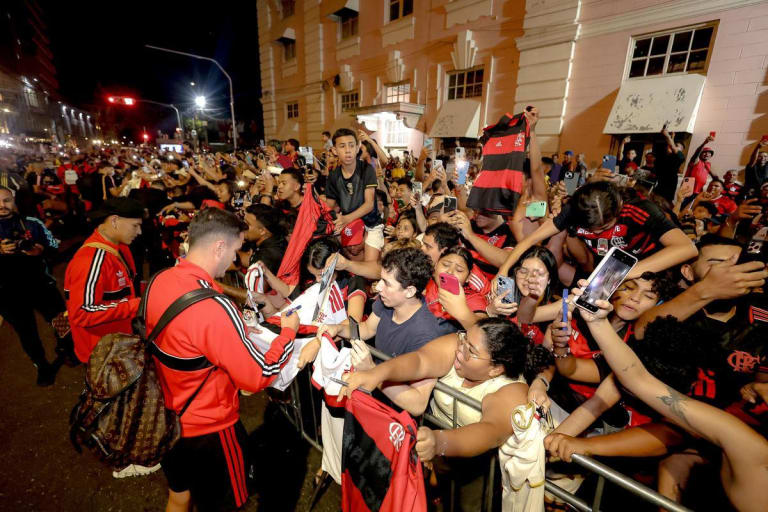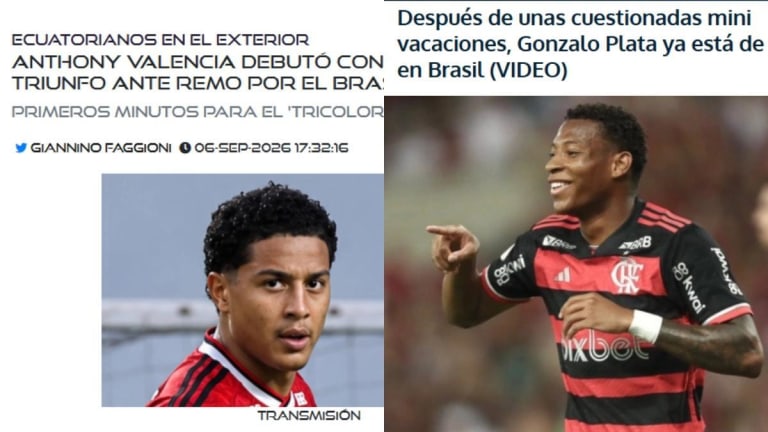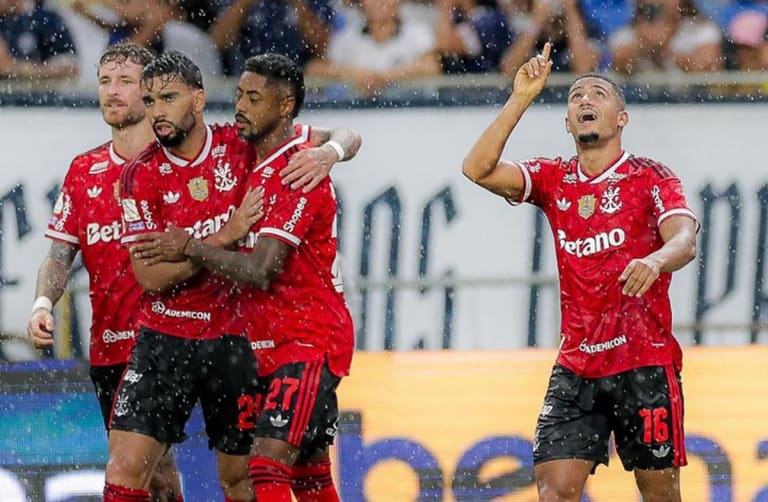


Flamengo has broken its silence to publicly push back against accusations from agents, reinforcing its financial responsibility policy amid an ongoing dispute at the CBF regarding payments.
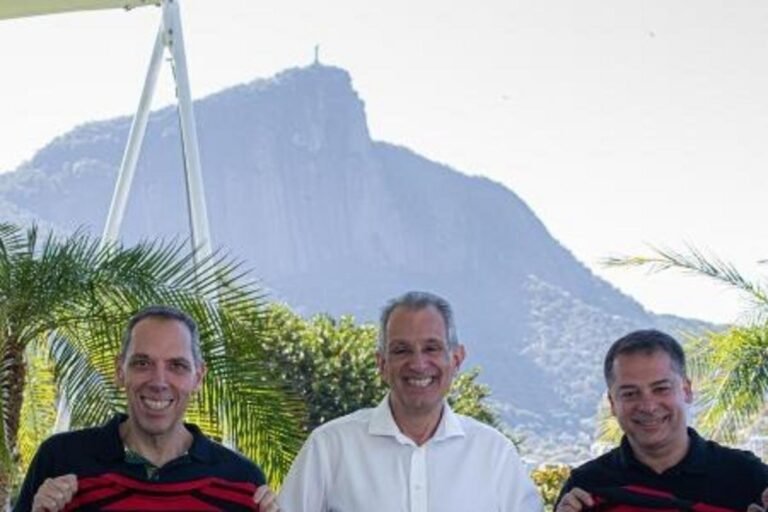
The relationship between Flamengo and a segment of football agents reached a boiling point this Thursday (23). Through a strongly worded official statement, the Gávea-based club denied allegations that it was failing to meet financial agreements or charging abusive commission rates. The Rubro-Negro board labeled the criticisms as unfounded and reaffirmed its commitment to transparency, categorically denying the payment of amounts exceeding 20% in market operations.
The controversy centers on the cash flow reprogramming adopted by Bap‘s management. Faced with a climate of financial caution, the Mais Querido opted to postpone the payment of certain commissions until the end of 2026, with settlement expected only the following year. To the board, the measure is a necessary tool to maintain the health of the club’s accounts after heavy investments in the squad.
The clash with ABAF
The agents’ dissatisfaction culminated in a formal representation from the Brazilian Association of Football Agents (ABAF), signed by 41 professionals, submitted to Anresf, a body of the CBF. The group’s goal is to pressure the governing body of Brazilian football to recognize the delinquency, which could lead to severe sanctions, such as a ban on registering new players and even the deduction of points in official competitions.
The club, however, argues that the analyses made by the agents distort the reality of the transactions. According to Flamengo:
“The total cost of a signing goes far beyond the transfer fee, encompassing signing bonuses, salaries, and image rights. Relating the commission only to the acquisition value does not reflect the actual percentage of the operation.”
Responsibility and new signings
The club’s financial caution has a clear justification in the high investment made recently. The signing of Lucas Paquetá, which reached a total of R$ 315.7 million—with R$ 155 million paid upfront—directly impacted immediate liquidity. In parallel, the football department continues to monitor the transfer market, including strategic negotiations such as for the Argentine midfielder Thiago Almada, from Atlético de Madrid.
Flamengo‘s firm stance indicates that the club does not intend to abandon its sustainability strategy to meet short-term demands. It remains to be seen how Anresf will handle the case at a time when financial fair play is gaining prominence in domestic football and defining the future of major signings. The fans, caught between the anticipation of new arrivals and concern for financial balance, are watching the next chapters of this administrative duel closely.