

Brazilian soccer is moving toward historic recognition: a new bill aims to elevate the sport to the official status of intangible cultural heritage of the country.
Soccer is much more than just twenty-two players chasing a ball; it is the heartbeat of an entire nation. Now, the Chamber of Deputies is analyzing Bill 1842/25, which seeks to transform this passion into the intangible cultural heritage of the Brazilian people. The proposal aims to ensure that our soccer culture is preserved, valued, and proudly passed on to future generations.
Congressman Helio Lopes, the author of the initiative, argues that the sport’s impact extends far beyond the pitch. According to the lawmaker, our national identity is deeply tied to the fields, directly influencing our literature, cinema, music, and the various forms of artistic expression that define us before the world.
Beyond the pitch
The importance of soccer to Brazil is measured both in titles and emotion. The project recalls the legacy of victorious national teams, citing the five men’s World Cup titles and the significant achievements of the women’s national team, such as their seven Copa América trophies and Olympic medals. More than just statistics, this is about recognizing our history.
“The bill aims to ensure the proper recognition of soccer as a cultural manifestation worthy of being protected, valued, and transmitted to future generations. It is a legal and symbolic safeguard for one of the most powerful elements of our national culture.”
Rituals of identity
Anyone who lives the “Grit, Love, and Passion” knows that when the national team takes the field, the country comes to a standstill. The bill specifically highlights these “rituals of collective identity,” where schools, government offices, and companies pause in anticipation. Icons like Pelé, Garrincha, Zico, Romário, Ronaldo, and the queen Marta are not just athletes; they are ambassadors who project the Brazil brand globally.
With urgency already approved by deputies, the text is ready to be voted on directly on the House floor, bypassing bureaucratic steps in thematic committees. After the vote in the Chamber, the bill will move to the Senate for review. If passed, the law will consolidate what every fan already knows deep in their soul: soccer is, definitively, our greatest cultural expression.
RELATED NEWS
 Flamengo vs. Vitória in the Brazilian Serie A: Ticket details, pricing, and facial recognition
READ MORE
Flamengo vs. Vitória in the Brazilian Serie A: Ticket details, pricing, and facial recognition
READ MORE
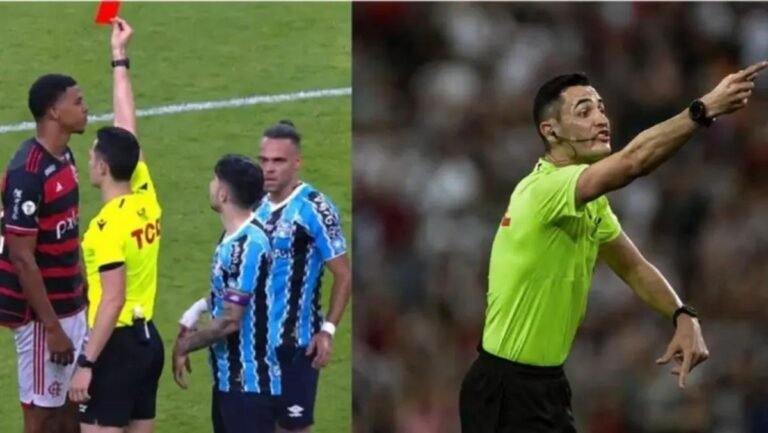 CBF appoints referee from São Paulo for Flamengo vs. Internacional in Brazilian Serie A
READ MORE
CBF appoints referee from São Paulo for Flamengo vs. Internacional in Brazilian Serie A
READ MORE
 Leozinho celebrates first Serie A goals and reflects on his career pivot from futsal to professional soccer
READ MORE
Leozinho celebrates first Serie A goals and reflects on his career pivot from futsal to professional soccer
READ MORE