

Former player Bobô secured a seat in the Bahia legislature, while well-known figures such as Marcos Braz, Bandeira de Mello, and Vanderlei Luxemburgo failed to win at the polls.
The recent political landscape showed a mixed performance for Brazilian football personalities. While a few celebrated victory, the majority of veteran athletes and executives faced significant defeats at the polls.
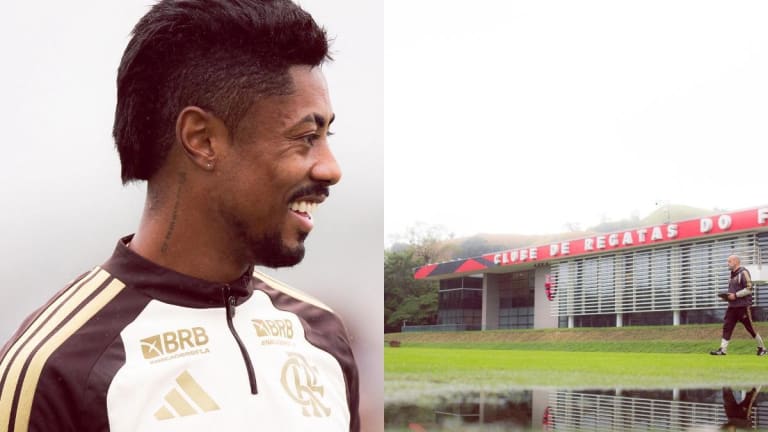
The major positive highlight was former striker Bobô, an icon of Bahia and 1990 Copa do Brasil champion with Flamengo. He secured a seat as a state deputy in Bahia representing the PCdoB party, receiving 70,893 votes.
On the other hand, traditional names from the sports world failed to reach the necessary vote count. Familiar faces to fans and renowned coaches saw their campaigns end without the expected success in the election.
Failure of executives and idols at the polls
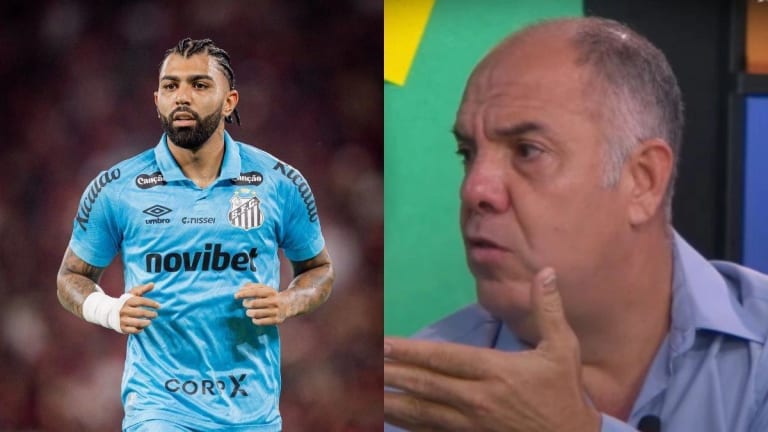
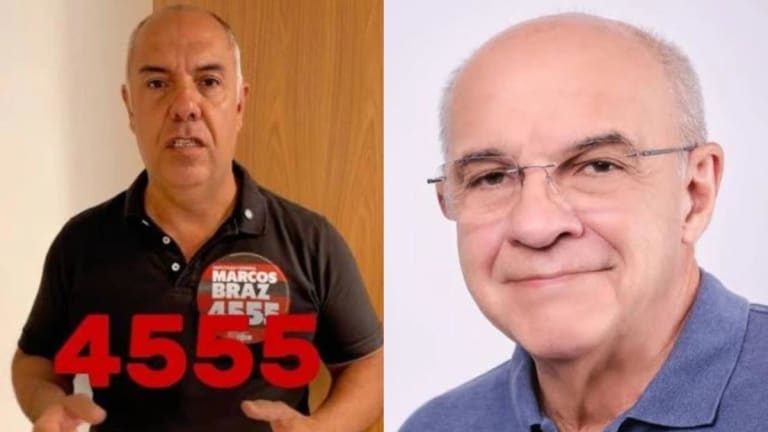
In Rio de Janeiro, prominent former Flamengo executives fell short in their bids for federal deputy. Marcos Braz, running with the PSDB, tallied only 18,305 votes and missed out on a seat in the Chamber of Deputies.
Meanwhile, former rubro-negro president Eduardo Bandeira de Mello garnered 37,535 votes. The result represented a sharp decline compared to the 2022 election, when the administrator surpassed the 72,000-vote mark.
The list of unelected candidates remained extensive across several states. Well-known names such as Edmundo, Luís Fabiano, Donizete Pantera, Finazzi, and Washington Coração Valente also failed to win election.
Isolated performance and analysis of results
Aside from Bobô, only former goalkeeper Danrlei, of the PSD, achieved a notable victory. He was elected federal deputy for Rio Grande do Sul after registering 105,017 votes.
The low conversion rate of popularity into actual legislative seats caught the attention of sports and political analysts as results were tallied across the country.
The situation regarding Vanderlei Luxemburgo drew attention. He managed nearly 70,000 votes, but failed to secure a seat due to the party quotient. Meanwhile, Marcelinho Carioca, a former Flamengo player and one of the greatest idols in Corinthians history, was a massive disappointment in the Federal District.
Perspectives for the sports-political landscape
The election results highlight that prestige earned on the pitch does not guarantee an automatic transition to success in public life. Voter demands and party quotients imposed rigid barriers.
For future elections, the sports sector will need to reassess its candidacy strategies. An image built in sports alone is no longer proving sufficient to secure political office.