
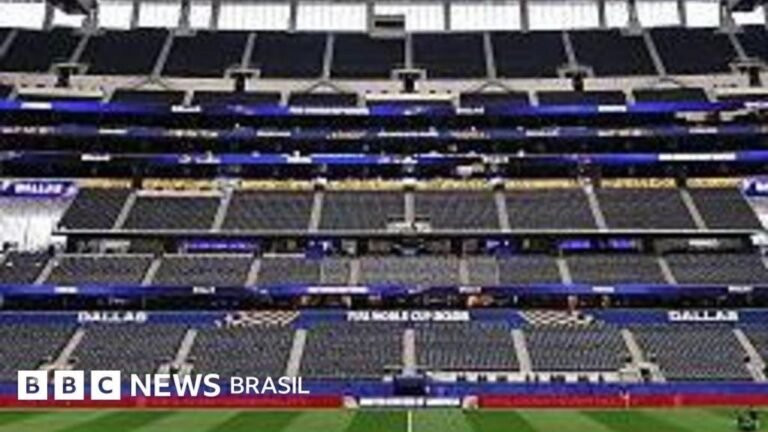
FIFA is facing a wave of global criticism after adopting dynamic pricing for the 2026 World Cup, pushing costs to astronomical levels and triggering protests among organized fan groups.
Preparations for the 2026 World Cup, which will be hosted in the United States, Mexico, and Canada, are already overshadowed by discontent. What should be the sport’s greatest celebration is turning into an event of financial exclusivity with the implementation of a dynamic pricing system—a model widely used in the airline industry that adjusts ticket prices based on real-time demand.
This paradigm shift by FIFA has caused runaway inflation in ticket prices. While entry-level seats are already starting around 2,000 BRL, premium sections and knockout-stage matches are reaching exorbitant figures, hitting an astonishing 60,000 BRL. For Brazilian fans, who live by the motto of “Spirit, Love, and Passion,” the scenario raises deep concerns about the growing divide between the tournament and the everyday supporter.
An exclusionary model
The commercial strategy adopted by football’s global governing body ignores the popular appeal that defines the sport. By treating tickets as a commodity subject to the laws of supply and demand, FIFA is passing market volatility directly onto the fans’ pockets, making the dream of attending the World Cup something reserved for an economic elite and undermining the democratic spirit of football.
Uprising in the stands
In Europe, indignation has reached institutional levels. The continent’s leading organized fan group has sent a formal notice to the organization, demanding an immediate halt to sales and a review of the pricing policy. The prevailing sentiment is that the tournament is becoming an elitist spectacle, alienating the very essence of the passion that drives fans across the planet.
“The prices set by FIFA are astronomical and disrespectful to the history of the world’s biggest competition, turning a cultural heritage event into an unattainable luxury.”
Impact and outlook
The negative impact of this pricing policy is expected to echo throughout the cycle leading up to the tournament. With the knockout stages approaching and national teams being confirmed, demand is expected to grow even further, which, under this new model, will inflate prices to levels never before seen in World Cup history.
For Brazilian fans planning their trip, uncertainty reigns. The challenge now is whether FIFA will bow to popular pressure or stay the course in a tournament that, while promising technological and logistical innovation, risks becoming the World Cup with the emptiest and least passionate stands in history.