

Globo‘s strategy for covering the 2026 World Cup has become one of the broadcaster’s biggest missteps, enabling the exponential growth of Cazé TV and the loss of its historic leading role.
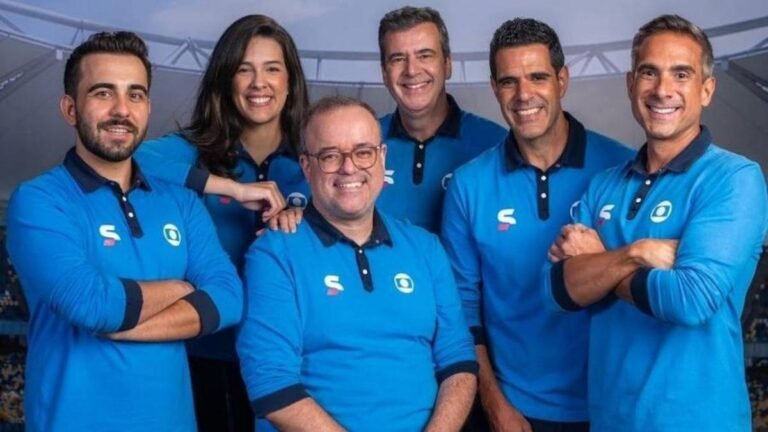
July 11, 2026, will be negatively marked in Globo‘s trajectory. The broadcaster, historically accustomed to holding the monopoly on major sports broadcasts in the country, saw its power and influence challenged by Cazé TV. The decision to acquire only a portion of the World Cup broadcasting rights proved to be a strategic error with severe consequences for the channel’s viewership and prestige.
The shift in viewer behavior became evident during the quarterfinals. While Globo operated in a limited capacity, Casimiro Miguel‘s channel attracted crowds by exclusively broadcasting matches. The peak of this phenomenon occurred in the match between England and Norway, where the streaming platform recorded an impressive 21.2 million simultaneous connections, relegating the Rio de Janeiro-based broadcaster to a supporting role in the national sports landscape.
The Meteoric Rise of Cazé TV
The cost-saving decision allowed Cazé TV to shed its “niche media outlet” label and establish itself as a direct competitor to the Marinho family group. Even viewers less familiar with the digital environment had to migrate to YouTube in search of matches not broadcast on free-to-air TV.
“From the tournament’s opening until last Saturday, the channel gained 11 million subscribers, a growth that could have been contained if the broadcaster had secured exclusive rights to all matches,” according to media market analysts.
Impact on Grupo Globo’s Ecosystem
The strategic damage was not limited to the main viewership. The conglomerate’s investment in GE TV, its in-house sports channel on YouTube, ended up being overshadowed. The lack of exclusivity for the World Cup weakened the reach of its own brand, which still struggles to convert viewers amidst the resounding success of the competition.
The future holds a scenario of forced adaptation. By abdicating its football monopoly, Globo not only lost Ibope ratings but also its aura of absolute protagonist. It remains to be seen if the mistake will be corrected for the next cycles of competitions, where the battle for audiences between free-to-air TV and streaming promises to be even more intense.