

The race for 2030 World Cup broadcasting rights is already underway behind the scenes, pitting media giant Globo against the innovative LiveMode, the owner of CazéTV.
The countdown to the 2026 World Cup isn’t even over, but FIFA is already preparing the ground for the next cycle. Expectations are that the bidding process for the 2030 edition, which marks the tournament’s centenary, will begin this semester. The Brazilian audiovisual market is anticipating a clash of business models that will determine how fans follow the greatest show on Earth.
On one side is Globo, looking to maintain its historic hegemony in free-to-air television with significant investment power. On the other is LiveMode, the force behind the massive success of CazéTV on YouTube, which has changed the way football is consumed in the country. The battle goes beyond finances, involving projections for digital reach and adaptation to new market rules.
Two models, one goal
Since Globo gave up streaming exclusivity in 2021, LiveMode has established itself as a key piece in FIFA‘s strategy. While the Rio-based broadcaster bets on the traditional model of purchasing rights, CazéTV operates through a revenue-sharing model with a guaranteed minimum payment to football’s governing body.
“FIFA is closely observing both the massive reach of broadcast television and the record-breaking engagement of digital platforms, evaluating which format maximizes not only revenue but also brand presence in strategic markets like Brazil.”
Challenges and the political landscape
The landscape for 2030 faces complex variables. Restrictions from the Ministry of Justice regarding sports betting advertising could directly impact the business model of CazéTV, which relies heavily on that sector. Meanwhile, Globo, with its consolidated infrastructure, remains focused on renewal, even in the face of an unstable political scenario involving friction between the CBF and LiveMode, due to links with investors from Liga Forte União.
Despite the political tensions, FIFA is keeping the door open for both parties. The entity has not yet decided whether it will sell the total package of rights to a single player—who could then sublicense the content—or maintain the fragmentation strategy that allowed for the successful broadcast of 104 matches in 2026 through partnerships with YouTube.
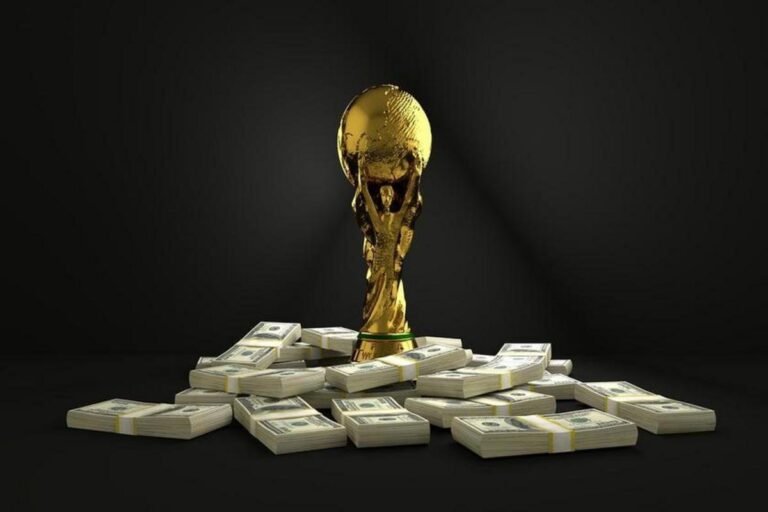
The decision on rights for 2030 will be a turning point. Whether through the tradition of Globo or the innovation brought by CazéTV‘s streaming, Brazilian fans are anxiously awaiting the verdict that will set the pace for the excitement on the pitch and on their screens for years to come. The fight promises to be intense, with a passion for football serving as the primary fuel for this billion-dollar game of chess.