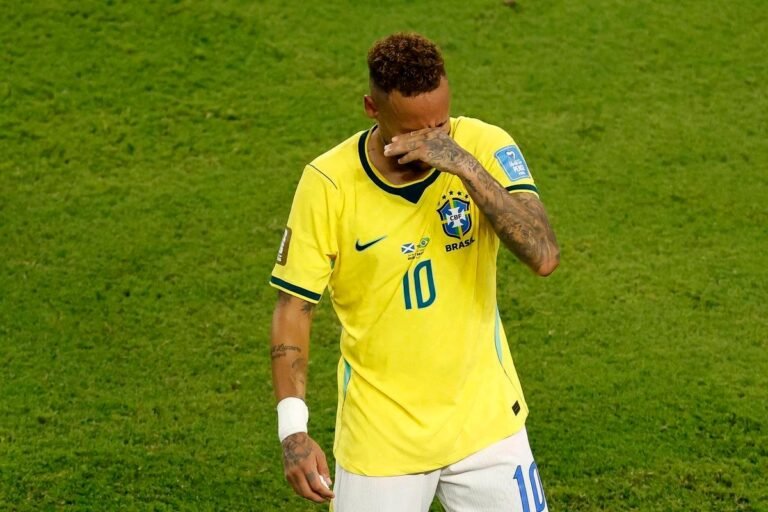

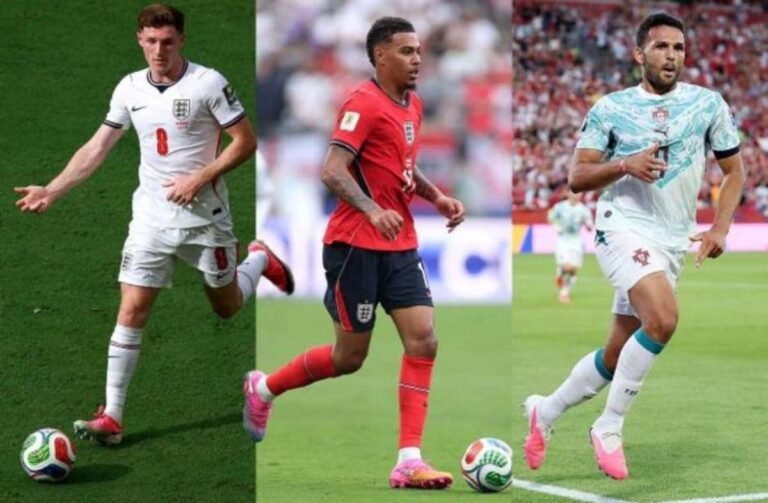
The impact of the World Cup on the global soccer transfer market reaches a historic R$7 billion (approximately $1.4 billion) in transactions, with the Premier League setting the pace for signings.
Every four years, the World Cup transcends being just a celebration of the sport to become the epicenter of the transfer market. The global stage transforms players into valuable assets, and this year’s transfer window reflects this fervor, moving impressive figures. To date, nearly 90 athletes who shone in the tournament have already changed clubs, circulating around R$7 billion (approximately $1.4 billion) worldwide.
The dominance of the Premier League is overwhelming. English football, with its financial power, has isolated itself at the top of the list, investing over R$4 billion (approximately $800 million). Clubs like Chelsea and Manchester City are at the center of billion-real deals, proving that performance during the World Cup is the ultimate showcase for any talent aiming for the elite European level.
English Dominance and Elite Movements
The financial activity is frantic. Chelsea, for instance, invested heavily in the signing of Morgan Rogers, while Manchester City sought Elliot Anderson to strengthen their midfield. Concurrently, Real Madrid secured the return of Cucurella to Spain in a significant negotiation, demonstrating that European giants spare no effort to improve their squads after observations made during the international competition.
“Standing out in the biggest national team tournament in the world has become the definitive guarantee for securing a high-caliber transfer with significant market value this season.”
Breakouts and Surprises in the Market
Names like striker Gonçalo Ramos, who moved from PSG to Milan, and the Swiss revelation Johann Manzambi, signed by Aston Villa, illustrate how individual value can skyrocket quickly. Even players who had limited appearances in the World Cup, serving as high-profile reserves, are moving figures in the hundreds of millions of reals, further fueling fans’ expectations.
The Brazilian Scenario and the Window’s Future
Even if not matching European budgets, Brazilian football is beginning to seek strategic acquisitions. Grêmio, under the command of Luís Castro, has already secured the arrival of Cape Verdean player Jovane Cabral. With the domestic transfer window open, Brazilian clubs are expected to pursue opportunities until September 11, the deadline for player registration, keeping alive the fans’ hopes for impactful reinforcements.
The market remains hot, and the flow of money is expected to increase in the coming days. With the influence of Saudi Arabia and the constant need for replacements in European leagues, fans can anticipate more surprises and impactful announcements before the market closes definitively. Grit, love, and passion for a game that never sleeps.