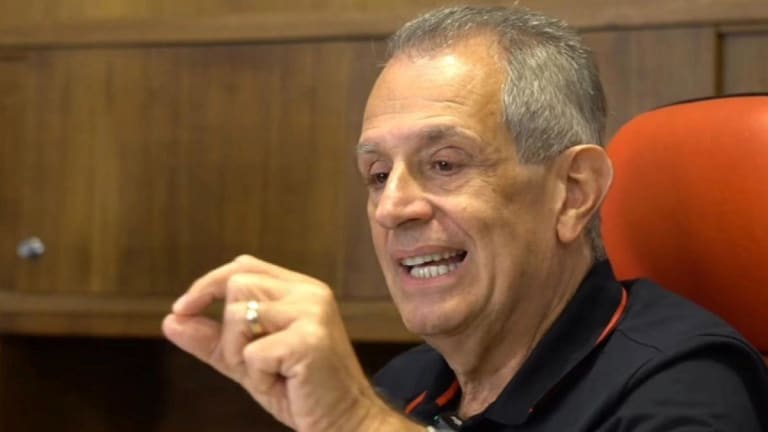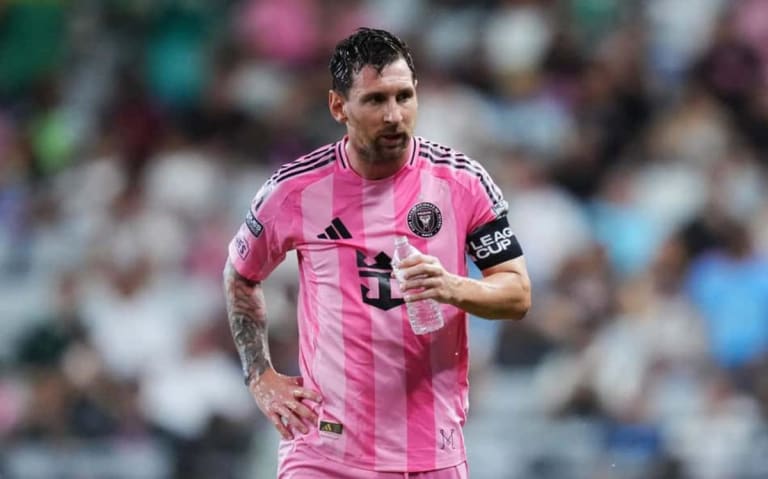


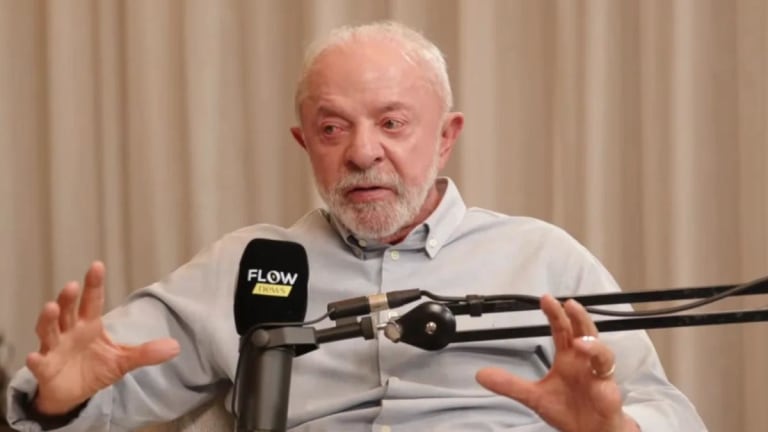
In a recent interview, President Lula used the history of Flamengo and other football giants to justify banning betting companies in Brazil.
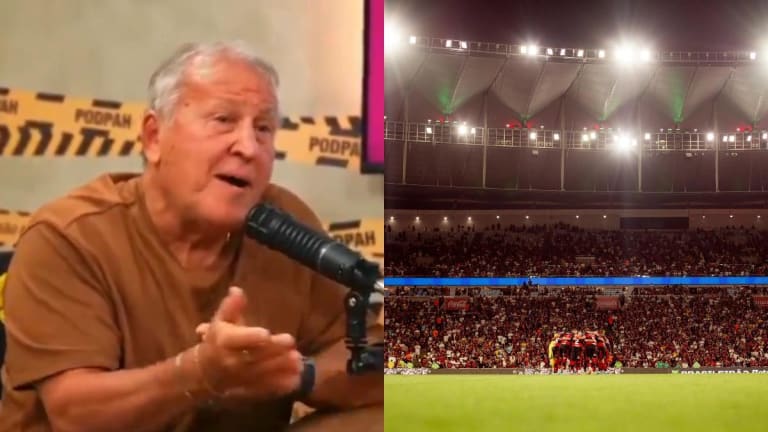
The sports betting landscape in Brazil is undergoing a drastic transformation. In an interview on the Flow Podcast, President Luiz Inácio Lula da Silva defended a Provisional Measure (MP) banning the operation and advertising of betting sites in the country. The president used historical achievements of Brazilian football to counter arguments that the sport would collapse without investment from companies in the sector.
Citing past glory in the sport, the president highlighted that major Brazilian clubs reached the top long before betting platforms became popular. The statement, however, sparked controversy by including a jab directed at Palmeiras, drawing an immediate reaction from fans on social media.
Defending the end of sports betting
During the debate on the financial viability of sports institutions, Lula was emphatic in rejecting the idea that Brazilian football relies on financial backing from betting houses to survive.
Brazil won the World Cup without betting companies. Flamengo became champions in ’81 without betting companies. São Paulo won three times without betting companies. Grêmio won without betting companies. Corinthians won without betting companies. Only Palmeiras didn’t win anything.
The president argued that the timing of the decision was strategic, aiming to stop what he describes as a negative impact on Brazilian families and the local economy.
Impact on club finances
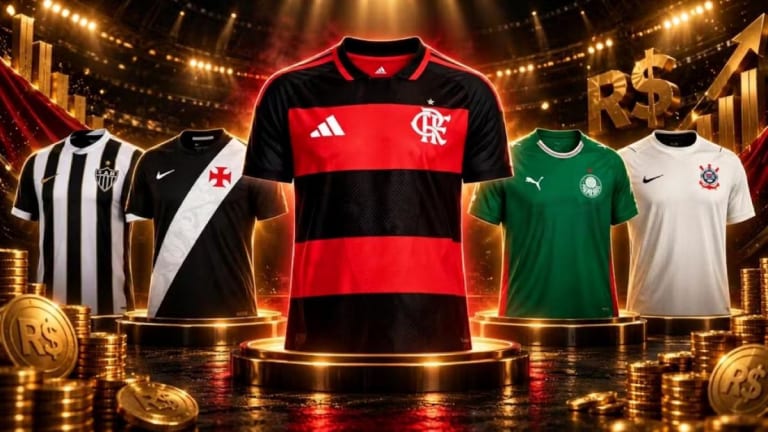
The implementation of MP No. 1,394/2026 poses an immediate financial challenge for the top flight of Brazilian football. Currently, 14 out of the 20 clubs in the Brazilian Serie A rely, to varying degrees, on sponsorships from companies like Betano, Sportingbet, Betnacional, and Superbet. Removing these brands from jerseys and digital assets creates a budget vacuum that worries club executives.
In Flamengo‘s case, the concern is clear. Club president Luiz Eduardo Baptista confirmed that the institution has already filed an amicus curiae request with the Federal Supreme Court (STF). Estimates suggest that the impact on the team’s revenue for next season could reach around R$ 400 million, with no defined Plan B currently in place to fill the gap left by the contracts.
The future of sponsorships
With the deadline for removing advertisements set for August 5, clubs are racing against time to find new revenue streams and renegotiate active contracts. The measure, which covers everything from sports betting to virtual casinos, puts Brazilian football at an unprecedented financial crossroads.
We will monitor the legal developments and potential responses from sports entities to the new legislation, which promises to reshape sports sponsorships in Brazil in the coming years.
M360 Team