

Cape Verde’s epic performance against Argentina at the 2026 World Cup has sounded an alarm: African football is challenging European dominance and redefining global favoritism.
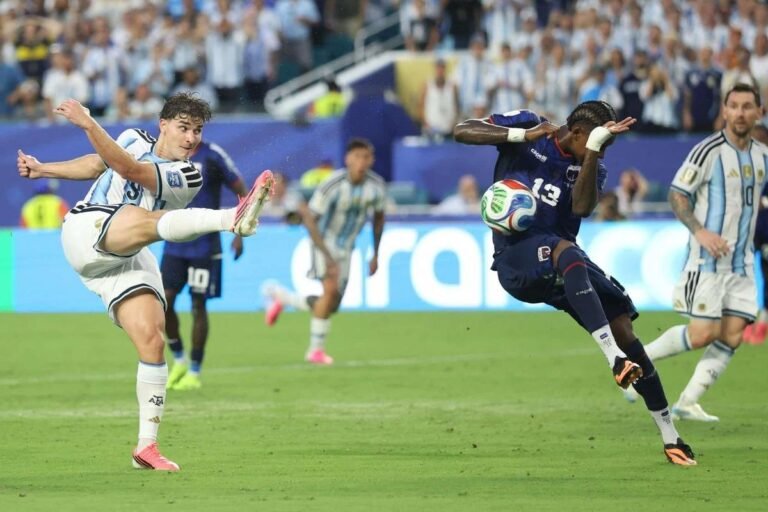
Argentina’s qualification for the quarterfinals of the 2026 World Cup was surrounded by controversy and relief, far from the calm many had expected. In an exciting duel against the brave Cape Verde national team, the current world champion only managed to secure their spot in extra time, after a 1-1 draw in regular time. The result, which left the football world stunned, was the catalyst for a strong analysis by commentator João Canalha.
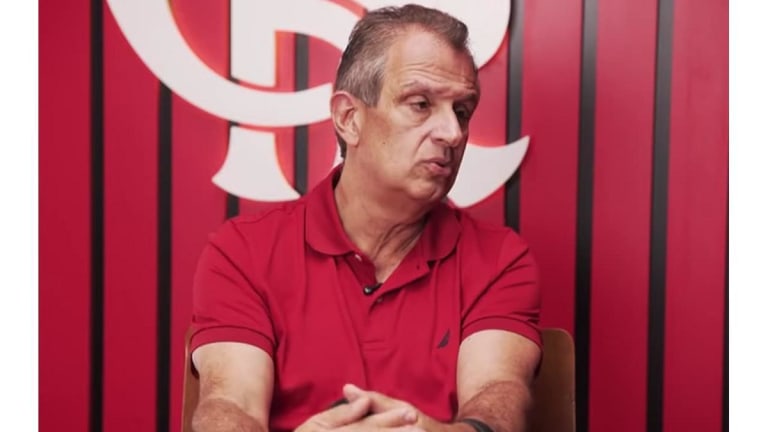
During the program Fórum na Copa, the journalist emphatically stated that the narrative of superiority held by traditional powers is being challenged. For Canalha, Cape Verde’s game was not just a fluke, but proof that African football is gradually stealing the spotlight that was once exclusive to European national teams.
Cape Verde’s Resistance
According to the commentator, Cape Verde’s performance throughout the tournament was a slap in the face to skeptics. The African national team maintained remarkable consistency throughout the competition, reaching the round of 16 with an impressive unbeaten streak.
“Cape Verde’s legacy couldn’t be more significant. For those who had no faith, thinking they would be thrashed and sent home in the group stage, they played four ninety-minute games and drew all four.”
Controversies and the Shadow of Messi
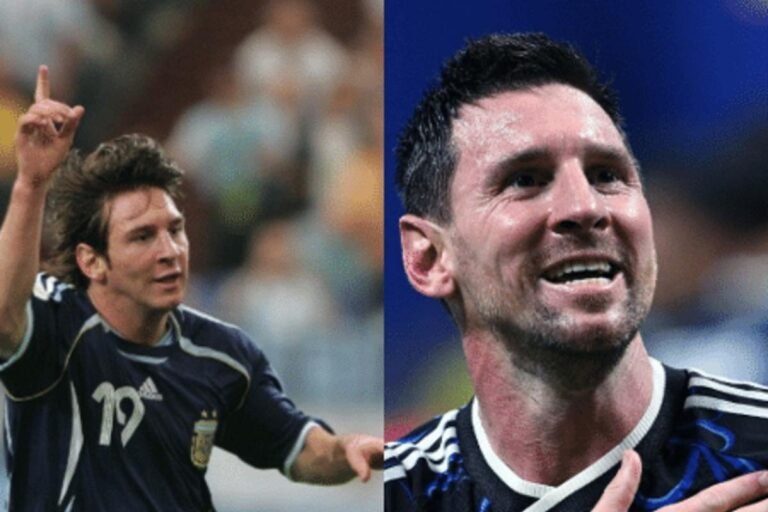
Beyond the tactical analysis, João Canalha did not spare criticism for the refereeing in the play leading to Argentina’s goal. Lionel Messi’s free-kick, taken before authorization for goalkeeper Vozinha to organize the wall, was classified as an unacceptable error.
“If the goalkeeper is organizing the formation of the wall, the referee has an obligation to wait. This is an unwritten rule of football. He can’t make major interventions, but this one with the wall is truly shameful.”
The journalist also pointed out that, despite the victory, Argentina’s chronic dependence on Lionel Messi remains a risk factor. Although he considers the Argentinians a “question mark,” Canalha prefers caution, reminding that giants like France, Spain, and Portugal are still searching for their best football. The 2026 World Cup scenario remains open, with African football reasserting its strength and proving that, on the pitch, the jersey weighs less and less against discipline and emerging talent.