
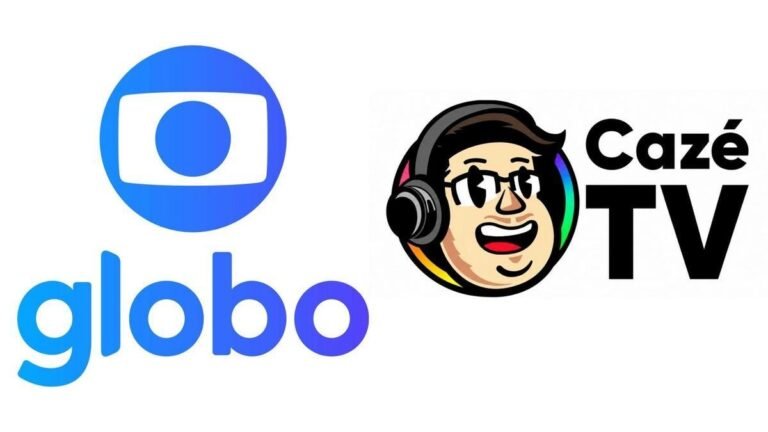
The battle for the 2030 World Cup rights pits the tradition of Globo against the digital powerhouse of CazéTV in a historic commercial standoff.
While global attention is focused on the semifinals that will decide the fate of this World Cup, an equally intense side game is playing out off the pitch. The fight for control over the 2030 World Cup broadcasts is already shaking up the Brazilian media landscape, putting Grupo Globo and LiveMode, the parent company of CazéTV, on a collision course for one of the sports market’s most valuable assets.
The current landscape has shifted dramatically following the resounding success of the project led by Casimiro Miguel. By taking a leading role in broadcasting the current edition, the channel surpassed historic records on YouTube, pushing the giant Globo into a secondary position—an unprecedented phenomenon in Brazilian television history that has forced the media powerhouse to rethink its strategy for upcoming FIFA cycles.
The battle for the 2030 World Cup
The next edition of the tournament, which promises to be historic as it will be held across six countries—Portugal, Spain, Morocco, along with commemorative matches in Argentina, Paraguay, and Uruguay—has become the ultimate prize for broadcasters. Globo attempted to fast-track an exclusive deal, but hit a roadblock with LiveMode, which aims to maintain its position as a strategic FIFA partner for all matches.
FIFA’s potential solution
Faced with the deadlock, football’s world governing body is considering a hybrid solution, similar to the model designed for the 2027 Women’s World Cup. FIFA‘s strategy would aim to split the pie:
“The proposal would allow Grupo Globo to secure the rights for free-to-air TV, cable, and the Globoplay and ge.globo platforms, while CazéTV would maintain its exclusive relevance through YouTube and streaming services.”
Although this model addresses the issue of accessibility on free-to-air TV, it is still viewed with caution by those involved. Both the Marinho family’s broadcaster and the LiveMode team are seeking business models that ensure greater room for maneuvering and commercial dominance over an audience that is increasingly fragmented between traditional and digital media.
The unfolding of this dispute promises intense new chapters in the coming months. For fans, it remains to be seen how and where they will follow the journey toward the 2030 final. With the increase in the number of national teams and the tournament’s logistical complexity, the fight for broadcasting rights reflects the weight and passion that football holds in Brazil, cementing the battle as one of the biggest off-field events of the moment.