
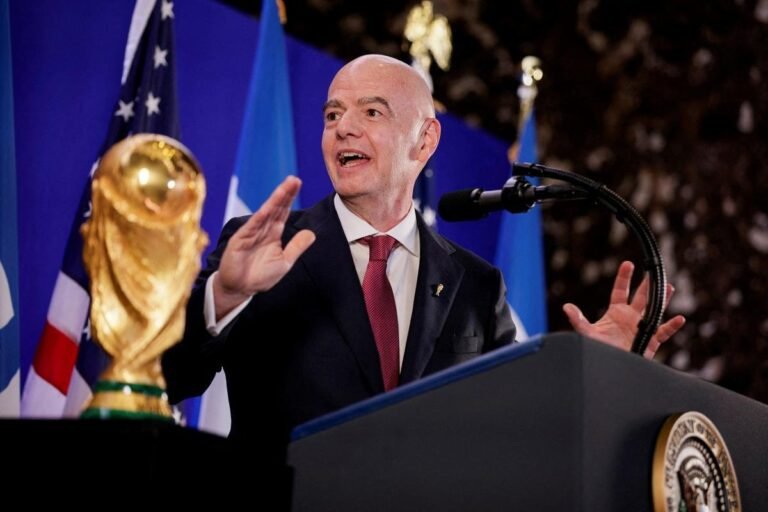
Gianni Infantino backtracks and cancels a multi-billion dollar project to privatize FIFA competitions following intense political pressure from European and American confederations.
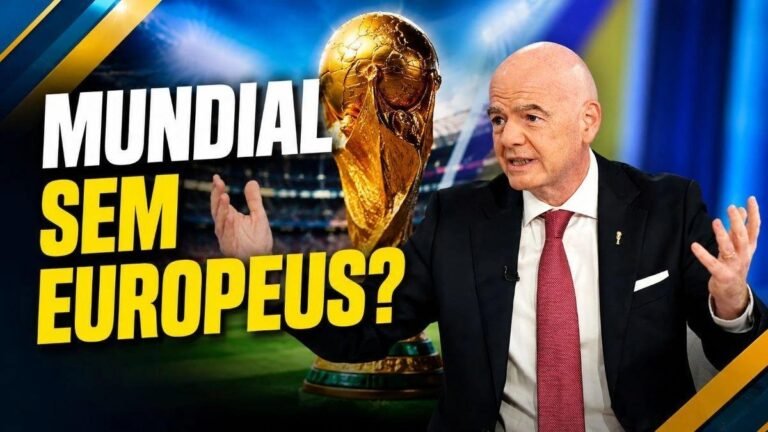
The proposal to overhaul FIFA’s management model suffered a definitive setback this Friday. In a strategic maneuver that lasted only three days, the organization’s president, Gianni Infantino, officially abandoned the plan to create a private company to manage assets for elite tournaments, such as the World Cup and the Club World Cup.
The project, which aimed to inject approximately $4.2 billion into the organization’s coffers through the sale of minority stakes, faced immediate hostility. The speed at which major global confederations organized against the measure forced the entity’s top leadership to recognize that the proposal’s political viability was unsustainable.
Pressure and political isolation
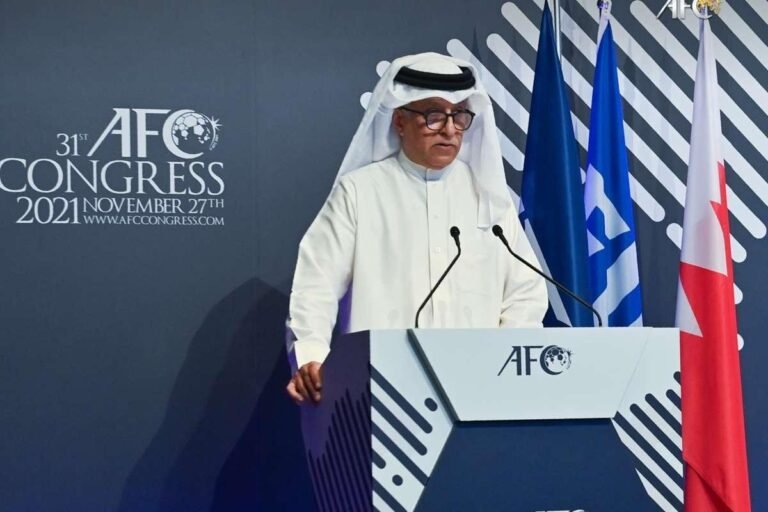
The atmosphere behind the scenes in world football became tense immediately after the idea was announced. UEFA led the opposition movement emphatically, threatening a severe boycott should the organization move forward with the plan. Concacaf, representing North and Central America, and the Asian Football Confederation (AFC) also signaled resistance, isolating the project even before a formal vote could take place among the 211 member associations.
In an official statement released by FIFA, management justified the withdrawal by claiming that the atmosphere of discord outweighed the intended financial benefits:
As we have said from the beginning, we would only do this if the majority of FIFA Member Associations supported it. Having listened carefully to all opinions, it has become clear that the project has created divisions of a nature that, regardless of the level of support, no longer serve the interest of the goal set in the first place.
Impact on the organization’s future
Gianni Infantino’s retreat avoids an unprecedented institutional crisis at a crucial time, with major events on the horizon. The attempt to capitalize on football through private branches remains a sensitive subject, and the episode makes it clear that any structural change at FIFA will require much more solid prior consensus with continental federations.
For now, the organization’s leadership is expected to maintain the current management format while monitoring the fallout from the political friction generated by this failed attempt. The episode reinforces the decisive influence of UEFA and other confederations in the major decisions of the body that governs the most popular sport on the planet.