
FIFA has labeled recent actions by UEFA as a “smear campaign.” The legal conflict centers on a multi-billion dollar commercial project that was ultimately scrapped by the governing body.
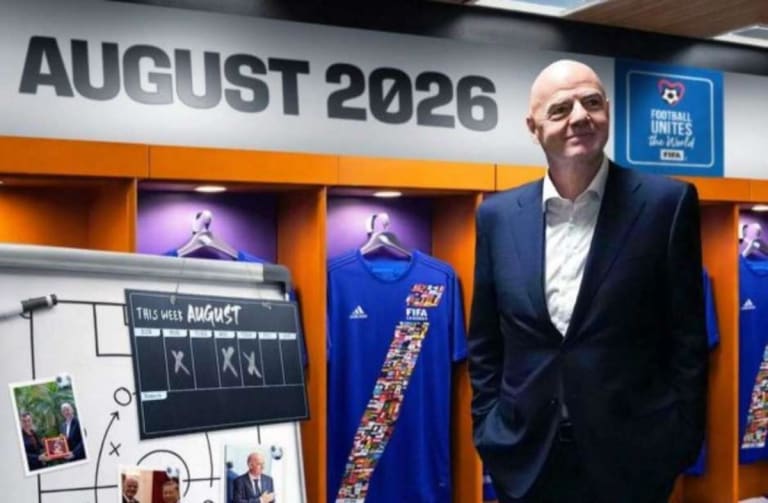
The relationship between the two biggest powerhouses in world football has reached a new level of tension. Following the collapse of a commercial initiative aimed at the World Cup, FIFA, led by Gianni Infantino, has lashed out at UEFA, accusing the European entity of conducting a coordinated strategy to tarnish the reputation of both the organization and its president.
The epicenter of the discord is a project known as the FIFA Forward Enterprise (FFE). The proposal sought to bring private capital into the global federation’s commercial structure in a deal valued at $4.2 billion. UEFA, however, questioned the integrity of the process, alleging “mismanagement” and undervaluation of assets, which led to a legal dispute currently playing out in United States courts.
The legal battle
UEFA turned to the American justice system to obtain internal FIFA documents, aiming to substantiate potential criminal complaints in Switzerland. In response, FIFA’s legal team requested an immediate dismissal of the request, characterizing the European action as a move with “legal deficiencies” based on a criminal case that they claim does not even exist.
The world football governing body maintains that the project was always subject to democratic procedures. FIFA argues that instead of engaging in dialogue, UEFA preferred to use the press to damage Infantino’s image.
“Instead of participating in the process, UEFA opted for a press release that started a smear campaign,” FIFA countered in official documents.
Geopolitical interests at play
Behind the allegations of mismanagement, experts point to a struggle for financial influence in global football. FIFA suggests that European resistance is, in reality, an attempt to protect UEFA’s hegemony.
According to this view, financially strengthening smaller federations—the central goal of the FFE—would reduce the European organization’s market power and political dominance.
The project included major financial market figures, such as Joshua Kushner and Greg Maffei, to inject resources that would boost payments to national associations in the 2027-2030 cycle. With the abandonment of the idea in July, the sporting political landscape remains unstable.
The future of this power struggle is uncertain. While UEFA maintains official silence, sources indicate that the pressure for transparency and access to documentation is expected to continue.
The unfolding of the case promises to dictate the atmosphere in upcoming football summit meetings, at a time when FIFA is seeking to expand its global revenues beyond traditional models.