
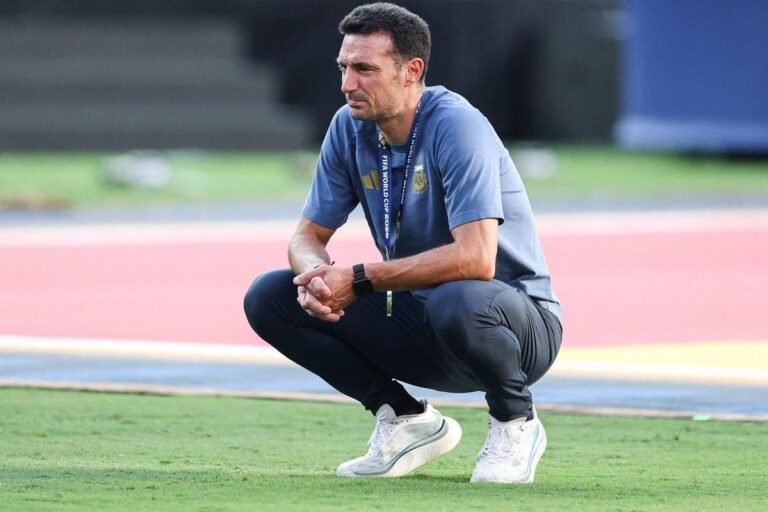
Scaloni’s tears after Argentina’s runner-up finish in the World Cup in the U.S. leave the successful coach’s future uncertain, unsettling fans.
The defeat in the World Cup final in the United States against a strong Spain not only brought the bitter taste of a runner-up finish for the Argentina national team. It also brought tears and uncertainties about the future of a man who has become synonymous with glory for the nation: coach Lionel Scaloni. The scene, as unusual as it was impactful, of a crying leader, reveals the depth of a cycle that, for him, seems to be reaching an emotional and physical limit.
With raw emotion, Scaloni, 48, could not hold back his tears as he bid farewell to the competition. His speech, brief and choked with emotion, raised an alarm for passionate Albiceleste fans: his future leading the team is far from guaranteed. A dramatic outcome that contrasts with the recent history of success he built.
The Weight of the Runner-Up Finish and Scaloni’s Emotion
The image of Lionel Scaloni in tears, applauded by Argentine journalists, is a raw portrayal of the demands of leading a nation that breathes Argentine soccer. Although the 1-0 loss in extra time against Spain prevented ultimate glory, gratitude and exhaustion were visible.
“We are sad, we couldn’t win, but I am enormously grateful to all the fans,”
said the coach, acknowledging the pain of defeat, but also the heroic journey of his Argentina.
Gratitude and Reflection on the Defeat
For Scaloni, the defeat, though painful, carries valuable lessons. He highlighted his team’s resilience and the ability to overcome obstacles throughout the World Cup. The coach praised the strength of a group that, even without winning the title, gave their all in every match.
“I’ve already cried all I had to cry in the locker room, and the truth is that I have to thank this team, because they were true warriors,”
he affirmed, showing his deep bond with his players.
Silence on Messi and the Greatest of All Time
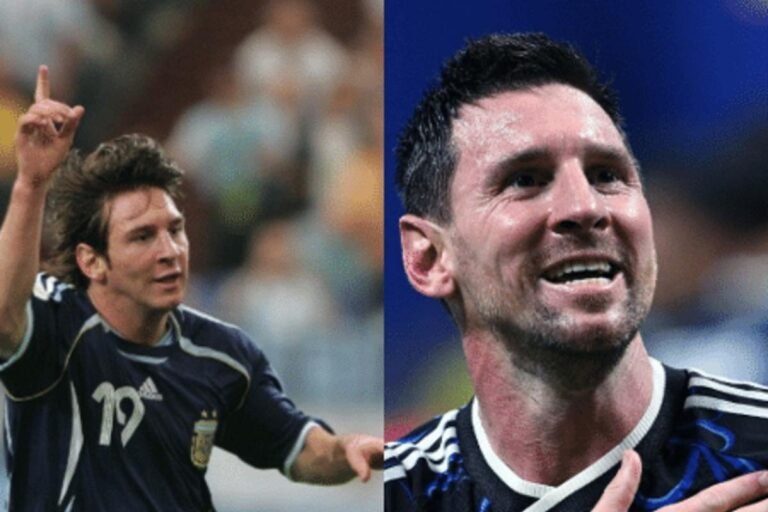
Amidst the emotional turmoil about his own future, coach Lionel Scaloni avoided commenting directly on the possible retirement of Lionel Messi from the Argentina national team. The 39-year-old number 10 had already signaled this possibility, but Scaloni preferred not to elaborate, limiting himself to describing the star player as
“the greatest player who has ever stepped onto a soccer field.”
A deserved tribute that postpones the difficult conversation about a legend’s farewell.
Personal Doubts and the End of a Contract
The uncertainty about leading the Albiceleste doesn’t only stem from the emotion of the moment. Scaloni‘s contract with the Argentine confederation expires at the end of the year, and the coach admitted that he needs time to reflect on his future in Argentina.
“I have more or less an idea of what I want to do, finish the contract, and then I’ll see,”
he revealed, expressing a feeling of exhaustion.
“I feel the need to think, because I no longer know if I can do something as majestic as this. This place is wonderful.”
His statement suggests that the demands of leading Argentina may have taken a high toll.
Wear and Tear, Injuries, and the Challenge Against Spain
Argentina‘s journey to the final was marked by sacrifices. Scaloni highlighted the team’s “enormous wear and tear,” as they reached the final exhausted and facing numerous problems. Injuries and red cards compromised their strategy, making necessary substitutions difficult against a high-level opponent like Spain. The Albiceleste fought bravely, but the adversities combined with the opponent’s quality were decisive.
Lionel Scaloni‘s tears are not just a lament for losing a title, but the echo of a deep exhaustion from a leader who gave his all to the Argentina national team. The doubt about his future in Argentina opens a wound in the hearts of the fans, who now anxiously await talks with the confederation. The Scaloni era brought passion and glory, and his stay, or his departure, will shape the next chapters of Argentine soccer and the team’s challenges in upcoming cycles, including qualifiers and the next World Cup. Regardless of the decision, the legacy of dedication and emotion is already etched in Albiceleste history.