

The CBF plans to adjust the 2027 national competition calendar to prevent clubs like Flamengo from losing access to their stadiums during the Women’s World Cup.
Hosting the Women’s World Cup in Brazil in 2027 has presented a significant logistical challenge for the CBF (Brazilian Football Confederation). With the tournament confirmed to take place between June 24 and July 25, several Brazilian clubs, including Flamengo, risk losing access to their stadiums for extended periods due to FIFA‘s strict requirements for venue handover and preparation.
To circumvent this problem, the national football’s governing body is seeking a plan to minimize sports and financial impacts. The primary focus is to make precise adjustments to the 2027 calendar, ensuring that the period of unavailability for venues like the Maracanã, Neo Química Arena, and Mineirão coincides, as much as possible, with existing breaks in national competitions.
The Challenge of Logistics and Technical Requirements
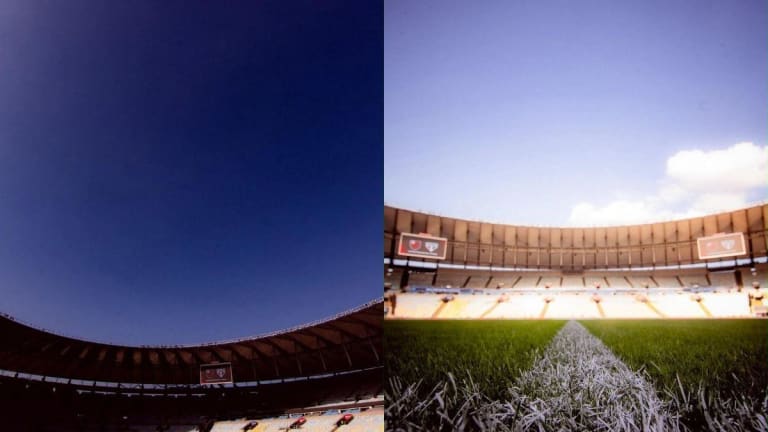
FIFA requires chosen stadiums to be under its exclusive control before and after official matches. The Maracanã, being the venue for the opening match on June 24, must be handed over to the organization as early as June 10. This schedule forces teams to seek alternatives if they have commitments in the Brazilian Serie A during these dates, creating uncertainty about gate receipts and home-field advantage.
Furthermore, replacing a venue is not simple. The CBF requires all stadiums hosting Serie A matches to have a semi-automated offside system. Since not all secondary stadiums possess this technology, clubs’ room for maneuver becomes even more limited.
The M360 Team stated:
The World Cup could significantly harm Flamengo. We know how FIFA operates, the need to brand the stadium and close the Maracanã well in advance. Hopefully, the CBF will develop a calendar that doesn’t conflict with the World Cup.
Future Projections and Expectations
The tournament will feature 32 national teams and a total of 64 matches spread across eight capital cities. Stadiums such as Beira-Rio, Arena Fonte Nova, Castelão, Arena Pernambuco, and Mané Garrincha will also follow a rigorous preparation protocol.
Clubs like Corinthians, Internacional, Cruzeiro, and Ceará anticipate that the final schedule, still being developed by the CBF, will provide legal and sporting certainty.
The confederation is working on the premise that interrupting national competitions during the World Cup will be key to resolving the dilemma. If the plan is successful, it will be possible to preserve all teams’ home-field advantage, avoiding the logistical strain and economic losses feared by club executives. The success of this operation is considered vital for the harmony of national football during the summer of 2027.
M360 Team