

Ancelotti at the top: The Brazil national team coach boasts the highest salary among World Cup managers.
The passion for football goes beyond the pitch and is also reflected in the massive figures surrounding the World Cup. More than just a stage for stars, the tournament generates billions and attracts global attention to everyone involved, including the coaches. A recent study by the Finance Football portal brought to light a surprising fact: the 26 managers of the national teams competing in the 2026 World Cup earn a combined total of R$ 442.56 million in annual salaries, with an average nearing R$ 17 million per professional.
Ancelotti Leads the List, But Football Demands Results
At the top of this financial ranking shines Carlo Ancelotti, the manager of the Brazil national team. The Italian coach earns approximately R$ 58.5 million per year, a figure that makes him the highest-paid among all managers. However, the amount raises a crucial debate about the relationship between investment and sporting success, especially after Brazil’s elimination in the round of 16. High compensation, in itself, does not guarantee ultimate glory in football.
Distinct Management Models: High Investment vs. Continuity
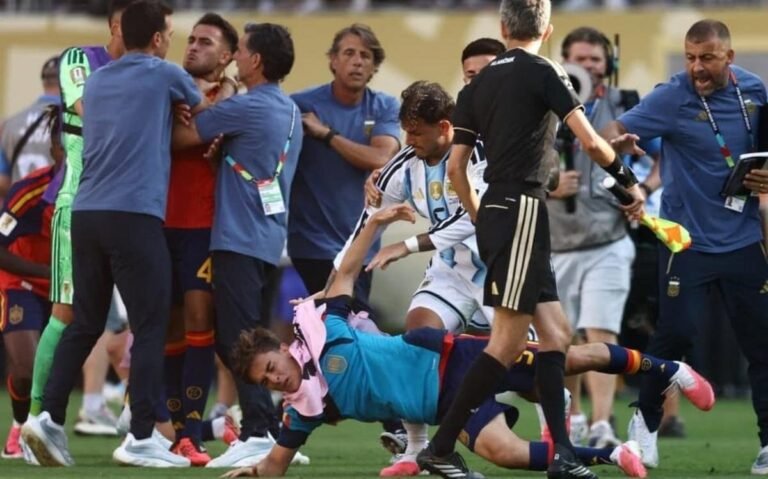
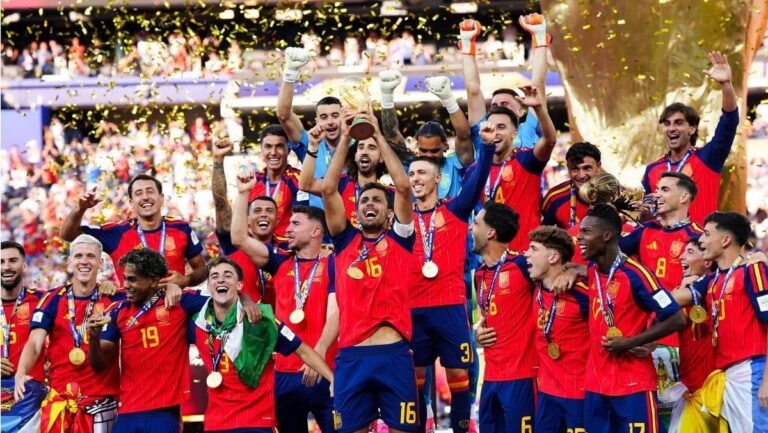
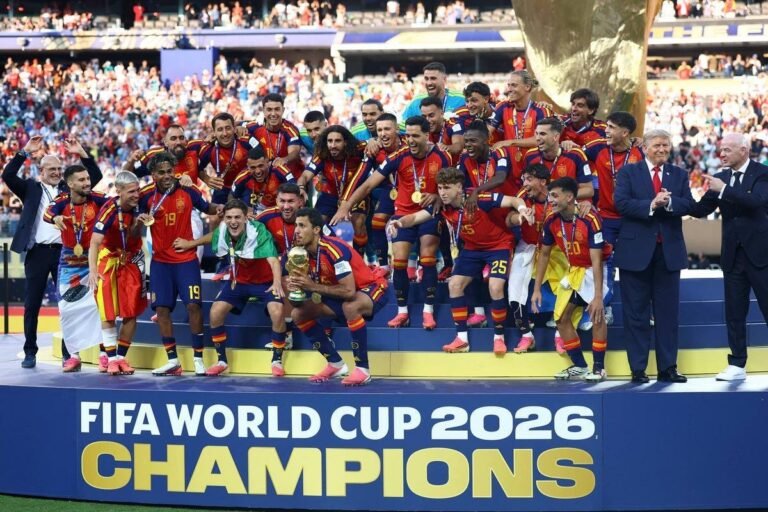
On the other hand, the 2026 World Cup also highlights more modest strategies. National teams like Argentina and Spain have opted for more lean financial management for their coaching staffs. Lionel Scaloni, the world champion with Argentina, receives R$ 13 million annually, while Luis de la Fuente of Spain has a salary of R$ 11.72 million. These values contrast with the top of the list, showcasing distinct working philosophies and financial priorities.
Salary Inflation and the Hunt for Talent
The Finance Football survey also points to clear salary inflation in the coaching market when compared to previous World Cup cycles. Brazil, with Ancelotti, leads this escalation, but they are not alone. Countries like the United States and Germany have also shown significant increases in their coaches’ earnings. At the other end of the table, teams with less global prominence, such as Scotland, with Steve Clarke earning R$ 3.1 million annually, demonstrate a more modest financial reality.
The 2026 World Cup, therefore, is not just a sporting spectacle, but also a reflection of different management models in elite football. On one side, federations willing to bet big on high-profile names and decorated resumes; on the other, national teams that bet on project continuity and internal talent development, as proven by the finalists of the last edition. The future will tell which philosophy will yield the most coveted results on the pitch.