
Amidst cartel dominance, football in Celaya stands as a sacred territory where coaches fight to save young talents from organized crime recruitment and violence.
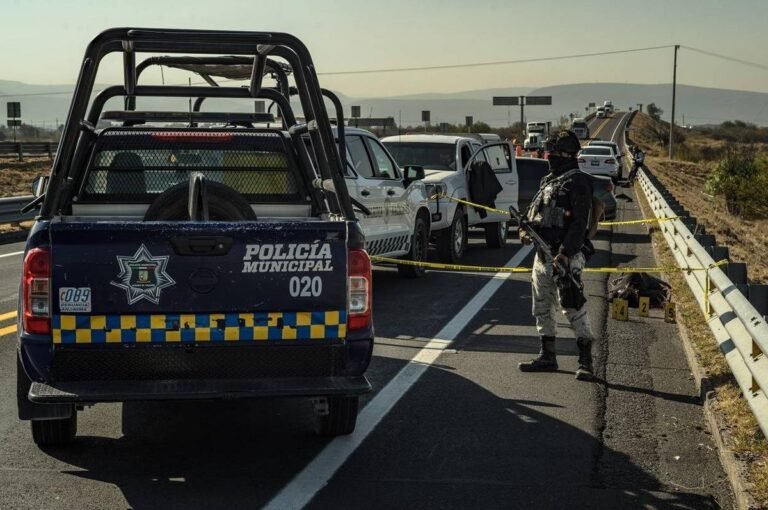
The city of Celaya, Mexico, currently carries the stigma of being one of the most dangerous places on the planet. In a scenario where oil diversion and territorial disputes fuel the power of criminal factions, the sport that should be a leisure activity has transformed into a symbolic battlefield. Young talents, like Juan Pablo and Manuel, try to overcome the brutal reality of the periphery, where the line between the dream of becoming a professional player and the abyss of drug trafficking is dangerously thin.
Coach Sugey Milagros Salinas Grimaldi wages a daily battle against fear and the allure of crime. She doesn’t just teach tactical or technical fundamentals; her work is a social rescue mission. In a region where cartels have infiltrated local leagues to launder money and impose control, protecting these athletes from drug addiction and recruitment has become the greatest challenge of her career. For these boys, the ball is often the only link that keeps them away from a life cut short by violence.
Crime’s Dominance on the Field
The influence of organized crime in Celaya has reached alarming levels, transforming football tournaments into tools for criminal operations. Reports of extortion and murders near training fields have left the community under a constant state of alert. Even with the climate of terror, Salinas insists that the field must remain neutral.
“Football is a refuge where they can just be kids, but the shadow of the cartels makes every training session a test of physical and emotional resilience.”
Resistance Through Sport
For many vulnerable teenagers, sport is the last frontier between hope and despair. The impact of the project led by Sugey Milagros Salinas Grimaldi transcends the pitches; it represents a community protection network. In an industrial hub marked by conflict, the persistence of these young people in continuing to play is an act of rebellion against a destiny imposed by criminality.
The future of Celaya and talents like Juan Pablo depends on this collective strength that still believes in football as a tool for transformation. While violence tries to dictate the rules in the region, the incessant effort of those who put passion above fear keeps the flame of dignity alive, proving that, even under the dominance of crime, the “Grit, Love, and Passion” for the sport still sets the pace for those who refuse to give up.