

The hefty price tag on the Brazil national team jersey goes far beyond taxes. An expert analyzes how the cost of a piece of apparel has become equivalent to that of a basic household appliance.
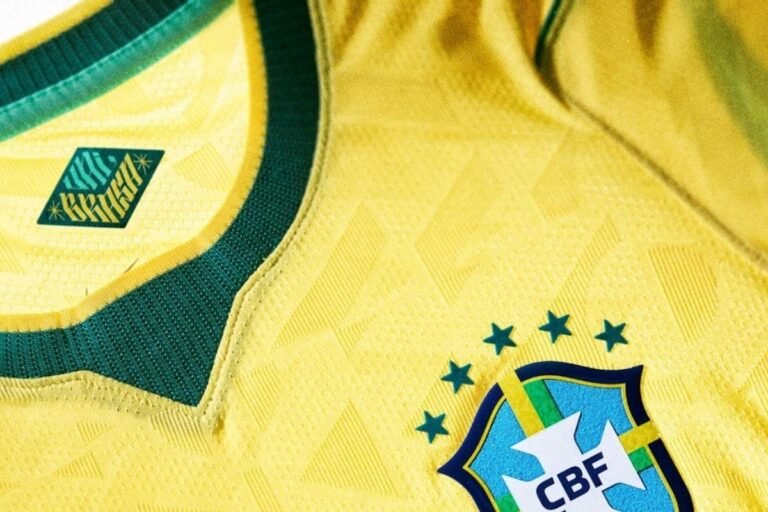
Passion for soccer and the dream of a sixth World Cup title often move crowds, but the pockets of Brazilian fans face a real challenge even before the ball starts rolling. The R$ 450 price tag for the official Brazil national team jersey sparks outrage and questions about what makes up such a high cost for a shirt that should be accessible to the people.
Columnist Maria Carolina Gontijo, known as Duquesa de Tax, has shed light on the debate. She explains that while the tax burden—which hovers around 30%—plays a role, the final price is a complex web of licensing contracts, supplier profits, and the aggressive commercial logic of supply and demand during World Cup cycles.
The real burden on the worker’s wallet
To understand the economic divide, a comparison with the international landscape is inevitable. While in Norway the official jersey costs about 1,249 kroner—approximately R$ 660—the impact on the household budget is radically smaller. For a Norwegian cleaner, the cost represents just 3% of their monthly income.
In Brazil, the reality is harsh. For a professional in a similar occupation, the same jersey can consume up to 25% of their salary. It is against this backdrop that the expert defines the cost of the national product:
“For the average Brazilian worker, the national team jersey effectively costs the price of a microwave.”
Beyond the tax burden
It is important to note that the tax logic applied to sportswear does not differentiate the Brazil national team from any domestic club. The exorbitant cost is, in reality, the result of a market strategy that capitalizes on the fans’ love. As the next matches for the Amarelinha approach, the debate over the price of sports merchandise is likely to intensify in the stands and on social media.
The fan, driven by grit, love, and passion, ends up a hostage to a system where their team’s jersey becomes a luxury item. The discussion regarding the value of licensed products must continue as long as access to the official jersey remains a financial privilege rather than a right for those who carry the history of our soccer on their backs.