


Flamengo has issued an official statement condemning the MP-RJ (Public Prosecutor’s Office of Rio de Janeiro) recommendation to allow Vasco to use the Maracanã, sparking a new standoff behind the scenes of Rio de Janeiro soccer.
The political and administrative landscape of Rio’s sports scene took a new turn this Monday.
The Flamengo board expressed total dissatisfaction with the stance taken by the Rio de Janeiro Public Prosecutor’s Office, which suggested opening the Maracanã so that their rival, Vasco, could host their upcoming decisive match at the venue.
The controversy escalated after the Fla-Flu Consortium denied the request from the Cruz-maltino to host the second leg of the Copa Sudamericana semifinal against Boca Juniors, scheduled for October 20.
For the Rubro-Negro, the ministerial body’s intervention exceeds its legal authority and attempts to invalidate decisions of a strictly technical and administrative nature.
The dispute over pitch conditions
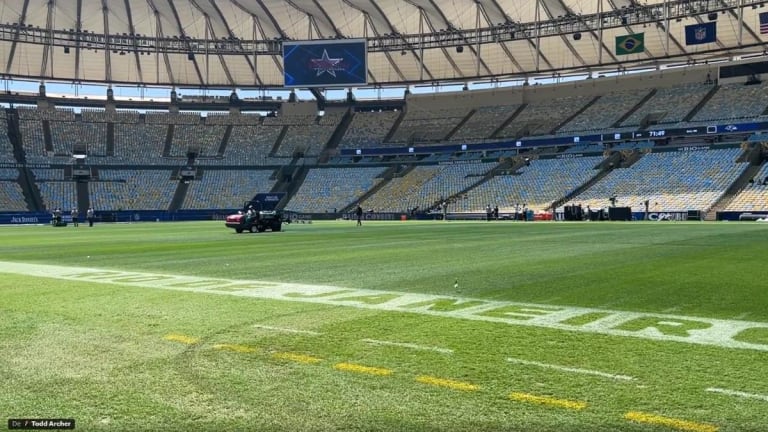
The main argument from the Flamengo management revolves around the preservation of the turf and autonomy in managing the sports venue.
The Gávea-based club maintains that official reports already attest to the pitch’s usage limits and questions the validity of external interference without specialized backing.
This is the third refusal imposed by the stadium’s administration on the Cruz-maltino club this 2026 season, with precedents in duels against Vitória and Palmeiras in the Copa do Brasil.
The central argument remains the excessive wear and tear of the facility and the tight schedule.
Through September, the Maracanã had hosted 58 official matches.
The management of the sports complex highlights that the venue is undergoing a rigorous revitalization schedule, including the total replacement of the grass with Bermuda Celebration, requiring strategic breaks in the event calendar.
The board stated:
Respect for institutions also involves respecting the limits and responsibilities of each one of them.
CONMEBOL deadlines and limited alternatives
The clock is working against Vasco‘s interests, as CONMEBOL has set October 10 as the final deadline for the official confirmation of the continental semifinal venue.
Without a consensual decision by the deadline, the Vasco board risks facing sporting or logistical sanctions.
Traditional alternatives are running into regulatory barriers.
São Januário stadium was ruled out by the South American governing body for failing to meet the minimum capacity requirements for this stage of the international competition, forcing the club to seek judicial solutions or new agreements.
The outcome of this episode will serve as a gauge to define the limits of state agencies’ actions regarding the management autonomy of sports arenas in the country.
While the Fla-Flu Consortium maintains the rigidity of its maintenance schedule, the coming days will be decisive for the future of the international clash in Rio de Janeiro.