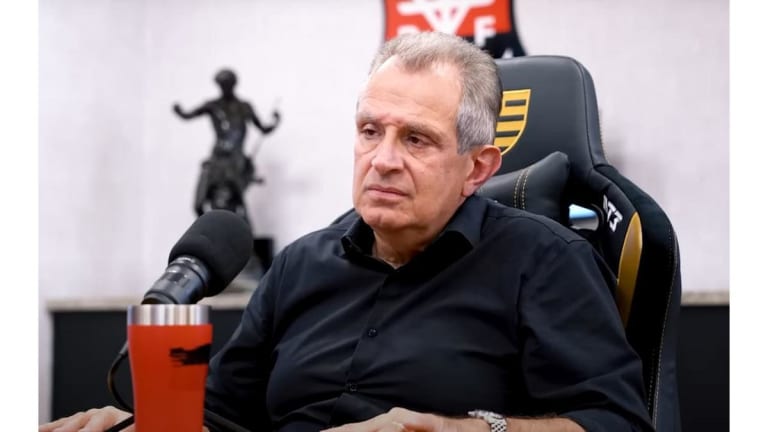


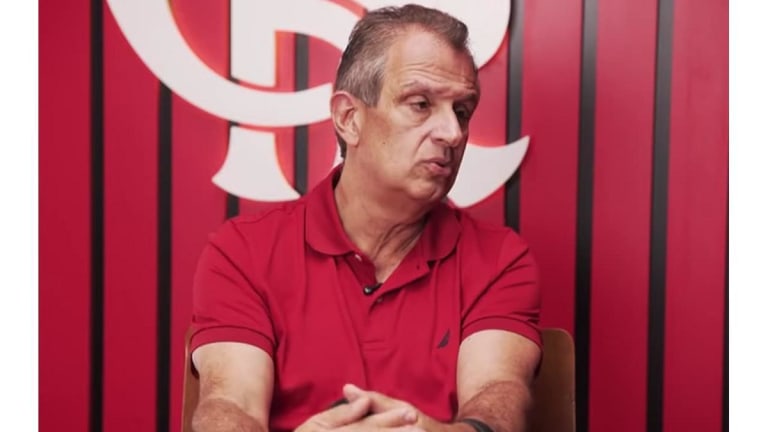
President Luiz Eduardo Baptista, known as Bap, has acknowledged that Flamengo is struggling to integrate academy players into the professional squad, directly impacting the club’s budget and long-term sustainability.
Flamengo management is on high alert after 2026 figures revealed a concerning shortfall. The club, which projected earning R$ 250 million from player sales, ended the period with R$ 171.6 million—a deficit of nearly R$ 80 million that challenges the football department’s strategic planning.
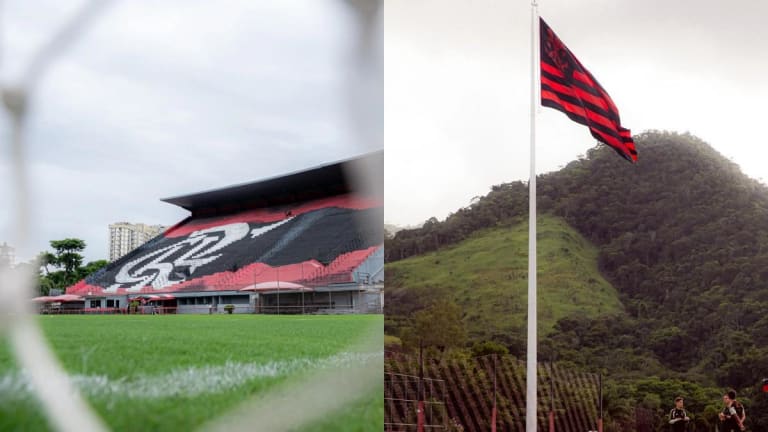
For president Luiz Eduardo Baptista, or Bap, this financial bottleneck is a direct reflection of a structural failure in the transition between the U-20 squad and the senior team. The executive emphasized that the inability to utilize athletes developed at Ninho do Urubu forces the club to make heavy investments in external signings, a model he describes as unsustainable in the long run.
The burden of external reliance
The current reality for the Mais Querido shows a sharp imbalance. Of the 110 goals scored by the team in 2026, only 23 came from academy-grown players, representing just over 20% of their offensive output. This low percentage illustrates why the club has become hostage to the transfer market, where signings—despite bringing experience—incur much higher acquisition and maintenance costs compared to homegrown talent.
Bap stated:
Today, when we look at the squad, we realize there is a gap between what we have in Flamengo’s U-20s and professional football. It forces me to make certain choices and bring in more expensive players. Is that sustainable in the long term? No.
Reliance on a few deals
The budget goal was only saved from being worse due to three specific negotiations. The sales of Ryan Roberto (to Shakhtar Donetsk), Wallace Yan (to Bragantino), and João Gomes (to Aston Villa) injected R$ 110.8 million into the club’s coffers. This amount accounts for more than 64% of all transfer revenue for the year, highlighting a lack of diversification in revenue sources from the academy.
Projections and future impact
The frustration over missed targets is creating a ripple effect. With less cash on hand than projected, Flamengo will need to scale back investments in new signings and the maintenance of its infrastructure. Furthermore, the administrative landscape is under extra pressure, with uncertainties regarding sponsorship contracts making financial management even more cautious.
Bap‘s diagnosis is a call for a deep reform in the methodology used within the youth categories. For the situation to change, the club will need a solid plan ranging from coach qualification to technical standardization between the youth and elite teams. Otherwise, Mengão will continue spending significant sums on the market while seeing its internal assets depreciate.